


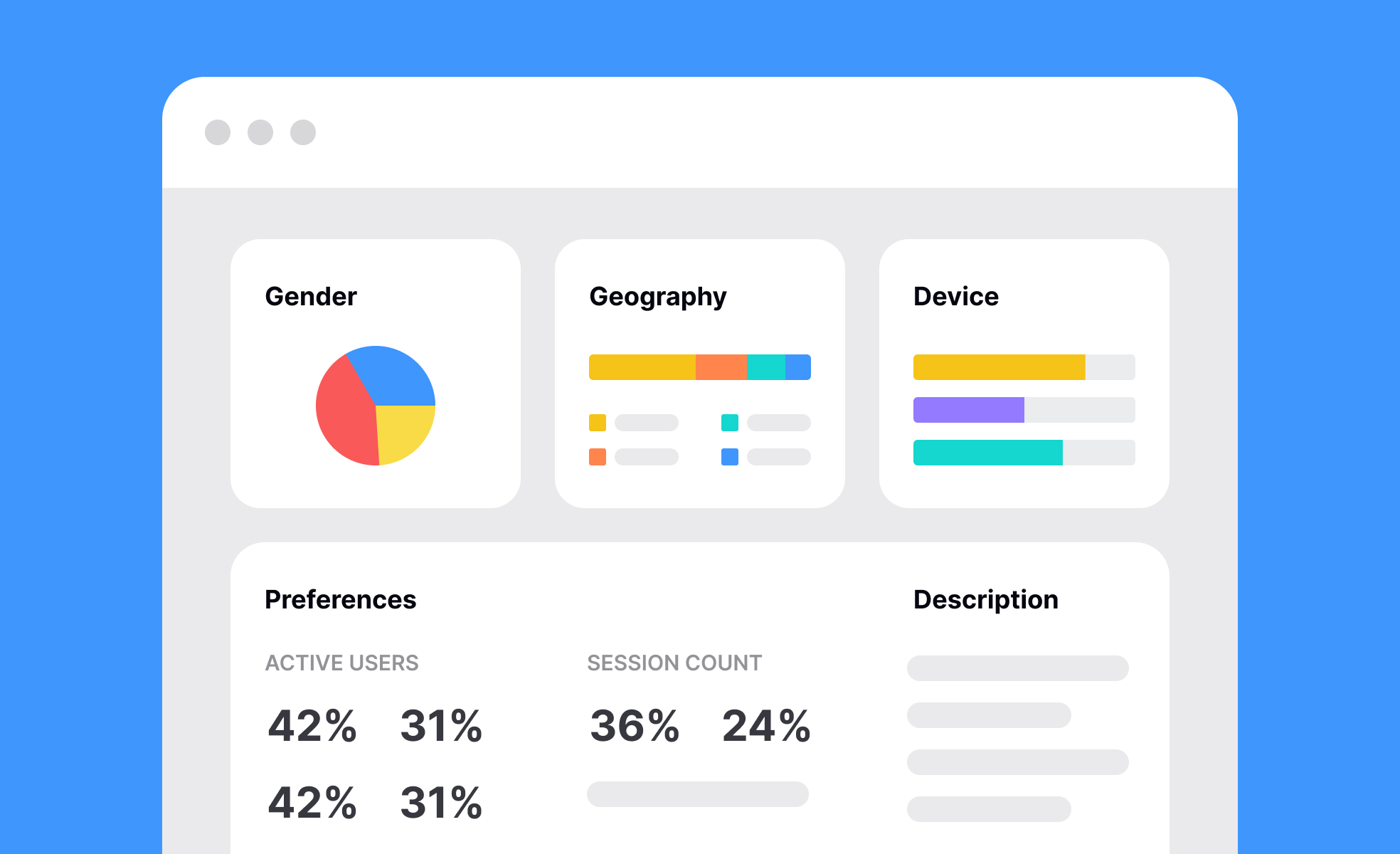
What is Product Usage Analytics?
Your product development decisions are based on opinions and assumptions rather than user behavior data, leading to features that seem logical but don't actually improve user experience or business outcomes.
Most product teams collect usage data but struggle to translate analytics into actionable insights that drive better product decisions and user experience improvements.
Product usage analytics is the systematic measurement and analysis of how users interact with products to understand behavior patterns, identify improvement opportunities, and guide product decisions through data-driven insights about user engagement, feature adoption, and outcome achievement.
Teams using effective usage analytics achieve 45% better feature adoption, 35% higher user retention, and significantly improved product-market fit because they build based on actual user behavior rather than assumptions about what users want.
Think about how companies like Spotify use listening analytics to improve music recommendations, or how Zoom analyzes meeting patterns to optimize video conferencing experiences for different usage contexts.
Why Product Usage Analytics Matters for Product Success
Your product decisions are based on what seems logical rather than what users actually do, leading to features that don't get adopted, user experience problems that go unnoticed, and missed opportunities to improve outcomes that matter most to customers.
The cost of building without usage insights compounds over development cycles. You create features nobody uses, miss user experience problems that drive churn, and compete based on assumptions rather than demonstrated user value.
What product usage analytics delivers:
Better product decisions through understanding of actual user behavior patterns, feature usage, and outcome achievement that reveals what truly creates value for different customer segments.
When you know which features users actually adopt and how they create value, you can invest development effort in areas that will have real impact.
Faster problem identification because analytics reveal user experience issues, adoption barriers, and engagement drops before they significantly impact business metrics or customer satisfaction.
Improved user experience through data-driven optimization of workflows, interface design, and feature prioritization based on real usage patterns rather than theoretical user journeys.
Higher feature adoption rates because analytics show how successful users discover and use features, enabling design and communication improvements that help more users achieve similar success.
More accurate strategic planning as usage data provides evidence about market fit, growth potential, and competitive positioning based on demonstrated user behavior rather than market research alone.
Advanced Product Usage Analytics Strategies
Once you've established basic analytics capabilities, implement sophisticated analysis and optimization approaches.
Predictive Analytics Integration: Use historical usage patterns to predict user behavior, churn risk, and success probability that enable proactive intervention and personalized experiences.
Cohort Analysis and Retention Modeling: Track user behavior changes over time and identify factors that drive long-term engagement and value realization rather than just short-term usage metrics.
A/B Testing Integration: Combine usage analytics with systematic experimentation to validate product changes and optimize user experiences based on behavioral evidence.
Cross-Product Analytics: Analyze usage patterns across multiple products or features to understand user journey optimization and portfolio-wide value creation opportunities.


