


TL;DR
- Describes how users achieve goals with a product.
- Guides requirements and design decisions.
- Used in UX, product management, and development.
- Aligns features with real-world needs.
Definition
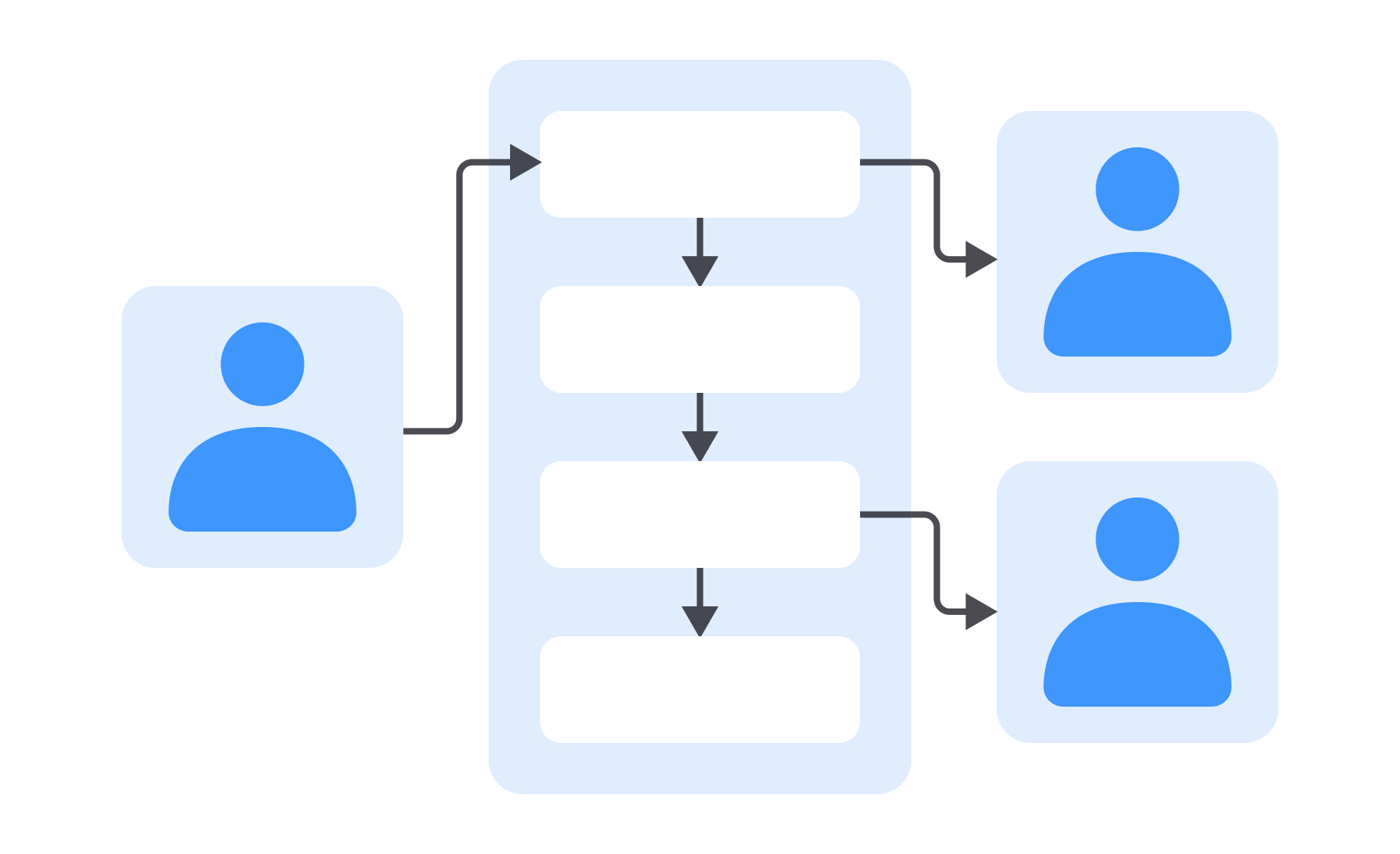
A use case is a documented scenario that outlines how a user interacts with a system to accomplish a task, providing context for requirements, design, and testing.
Detailed Overview
Use cases are an important tool for bridging user needs and product design. They describe how users interact with a system to complete tasks, offering a structured narrative that captures goals, actions, and outcomes. A simple use case might describe how a customer logs into an account, while a more complex one could cover multi-step workflows in enterprise applications.
A frequent question is how use cases differ from user stories. User stories are shorter statements focusing on user needs, such as “As a user, I want to reset my password so I can log in.” Use cases, in contrast, provide detailed steps, conditions, and expected results. They capture not just what users want, but how the system should respond at each stage.
Another common query involves the role of use cases in UX design. They provide context for user flows, wireframes, and prototypes. By grounding design in real scenarios, teams avoid building features in isolation. For example, a use case for online shopping ensures that search, product details, cart, and checkout are considered as part of one coherent journey.
Teams often ask how use cases support development and testing. Developers use them to understand functional requirements, while QA teams create test cases directly from them. For instance, a use case describing “book a flight” ensures that test coverage includes searching flights, selecting seats, and completing payments. This traceability reduces ambiguity and errors.
Accessibility is also tied to use cases. Writing use cases that consider diverse user needs, such as voice input or screen reader compatibility, ensures inclusivity is built into the product. Teams that include these scenarios early are less likely to exclude users later in development.
Finally, use cases align stakeholders. By documenting step-by-step scenarios, product managers, designers, engineers, and business leaders share a common understanding of user goals.
Learn more about this in the Writing Use Cases Exercise, taken from the ChatGPT in User Research Lesson, a part of the Enhancing UX Workflow Course.


