


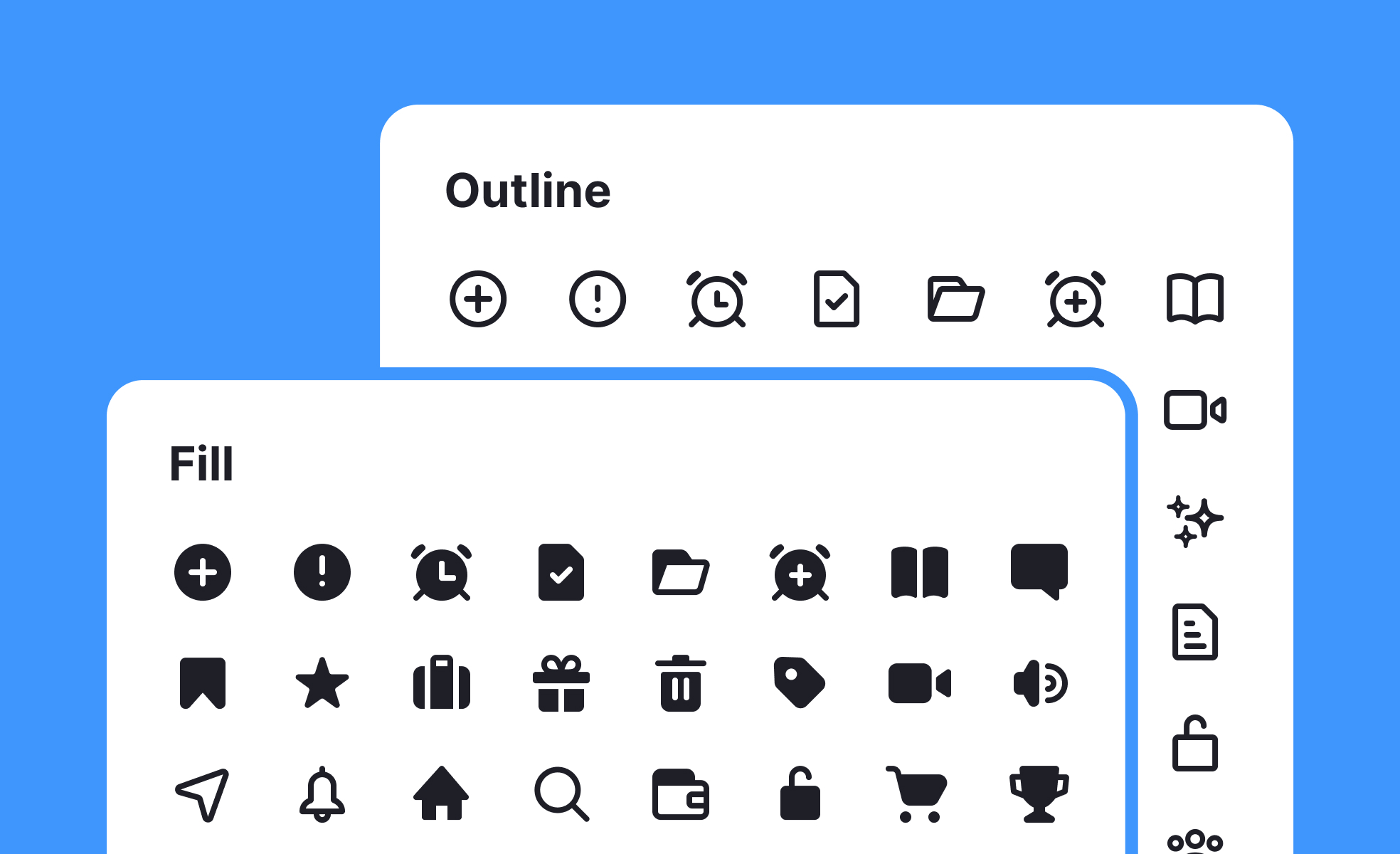
What is Iconography?
Your users can't figure out what your buttons do, even though the interface looks clean and professional. You've probably spent hours debating whether that hamburger menu makes sense, or whether users will understand that shopping cart symbol means "buy now." It's one of those silent conversion killers that teams often overlook.
Most digital products fail at iconography because teams think icons are just decoration when they're actually a complex visual language system that can make or break user experience.
Iconography is the systematic use of visual symbols and icons to communicate meaning, guide user behavior, and create intuitive interfaces across digital and physical products. Think of it as creating a visual vocabulary that users can learn once and apply everywhere in your product.
Good iconography reduces cognitive load by 40-60% and can decrease support tickets by up to 30%. Bad iconography confuses users, increases bounce rates, and forces people to hunt for features they need. It's like having road signs that nobody can read.
Consider how Apple's simple, consistent icons work globally because they follow established visual conventions. Your product icons need to follow patterns your users already understand while serving your specific business needs.
Why Iconography Matters for Product Teams
Your team launches a beautifully designed interface, but user testing reveals people can't find basic functions. They're clicking on decorative elements and missing important buttons. Your conversion rates suffer because the path to purchase isn't visually clear.
The cost of poor iconography hits immediately. Teams at companies like Dropbox found that unclear icons caused 25% more support tickets than necessary. Users get frustrated, abandon tasks, and choose competitors whose interfaces make more sense.
What effective iconography delivers:
Professional credibility through consistent visual language that builds user confidence. When your icons follow established patterns, users immediately understand your product is trustworthy and well-designed. It's that instant "this company knows what they're doing" feeling.
Faster task completion because users recognize function without reading labels. Teams report 20-35% improvement in task completion times when icons are culturally appropriate and clearly communicate purpose. Users spend time accomplishing goals instead of decoding your interface.
Global accessibility that transcends language barriers. Well-designed iconography works across cultures and languages, expanding your market reach without expensive localization. A good search icon works whether your user speaks English or Mandarin.
Stronger brand recognition through distinctive visual elements. Think Apple's minimalist approach or Google's Material Design icons. Your icon style becomes part of your brand identity that users remember and associate with quality.
Reduced development costs because consistent icon systems prevent design debt and speed up future feature development. When you have clear icon guidelines, designers and developers can work faster without constant decision-making about visual elements.


