


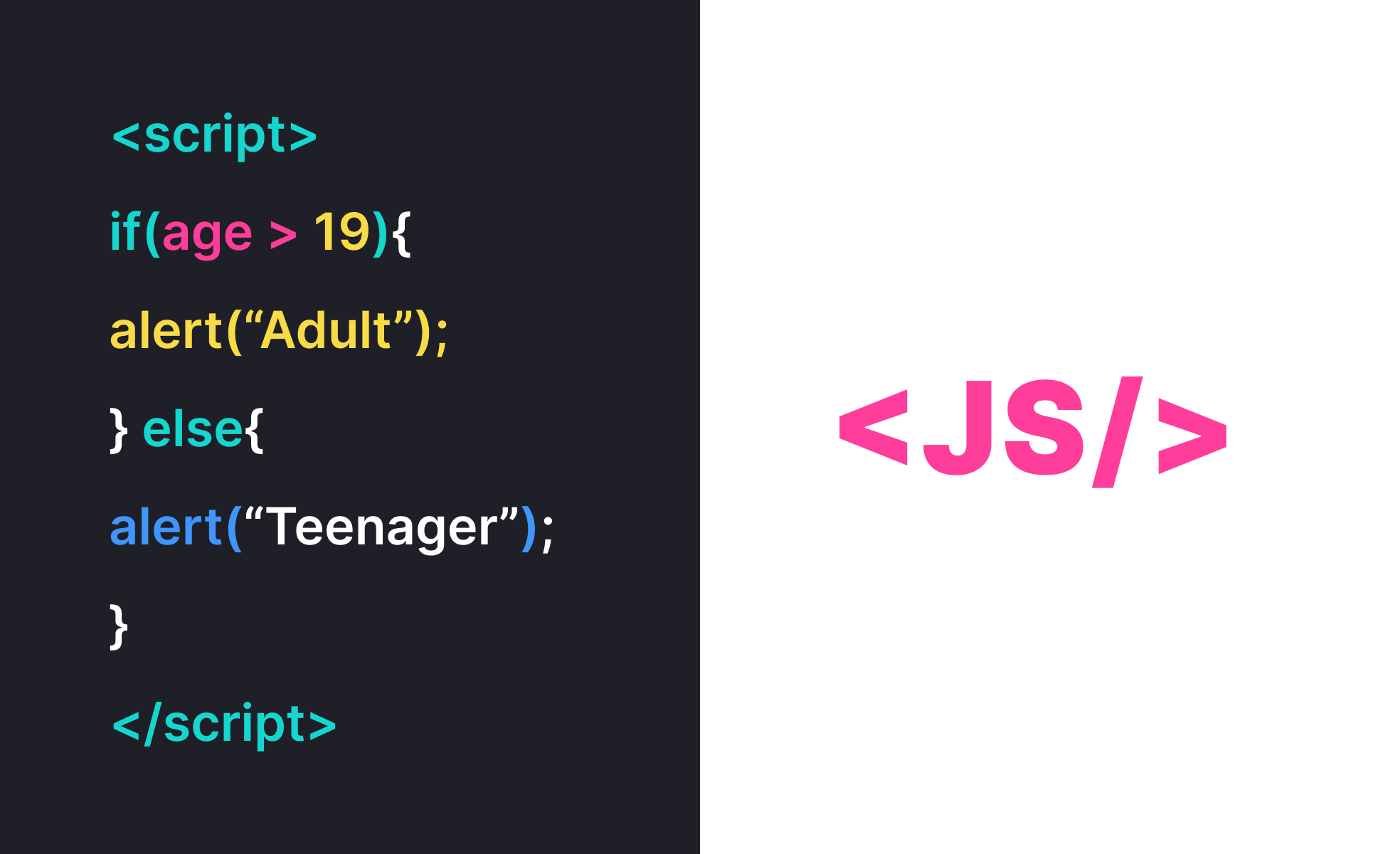
TL;DR
- Core language for interactivity on the web.
- Runs in browsers and on servers (via Node.js).
- Enables dynamic content, forms, and app logic.
- Works with HTML and CSS for full web experiences.
Definition
JavaScript (JS) is a high-level programming language that adds interactivity, logic, and dynamic functionality to web pages and applications, working alongside HTML and CSS to create complete user experiences.
Detailed Overview
JavaScript is one of the three pillars of web development, along with HTML and CSS. HTML structures content, CSS styles it, and JavaScript makes it interactive. This interactivity ranges from simple form validation to complex web applications, making JS essential for modern digital products.
One of the top questions is whether JavaScript is only for front-end development. While it began as a browser language, JavaScript now powers server-side development through Node.js. This shift has made JavaScript a full-stack language, capable of handling everything from UI interactions to backend logic and database communication.
Another common query is about frameworks and libraries. Vanilla JavaScript works well for many tasks, but frameworks like React, Angular, and Vue provide structure for building complex applications. These tools help manage state, components, and scalability, making development faster and more reliable. Teams often debate which framework to use, but the foundation remains the same: understanding core JavaScript.
Performance is also a frequent concern. Poorly written JavaScript can slow down websites, especially on mobile devices. Best practices include minimizing blocking scripts, lazy-loading content, and using asynchronous code to prevent delays. These optimizations ensure that applications remain responsive, which directly affects user satisfaction and conversion rates.
Users also ask about JavaScript’s role beyond the web. JavaScript is now used in mobile app development (React Native), desktop applications (Electron), and even IoT devices. Its versatility stems from its wide adoption and ecosystem, making it one of the most widely used programming languages globally.
Finally, accessibility and usability connect to JavaScript. When used carefully, JS enhances accessibility by improving navigation, forms, and feedback. Poorly implemented, it can block screen readers or keyboard navigation. This highlights why teams must test JavaScript-driven interactions to ensure inclusivity, not just functionality.
Learn more about this in the JavaScript Exercise, taken from the Technical UI Terms Lesson, a part of the Design Terminology Course.


