


What is Frontend Development?
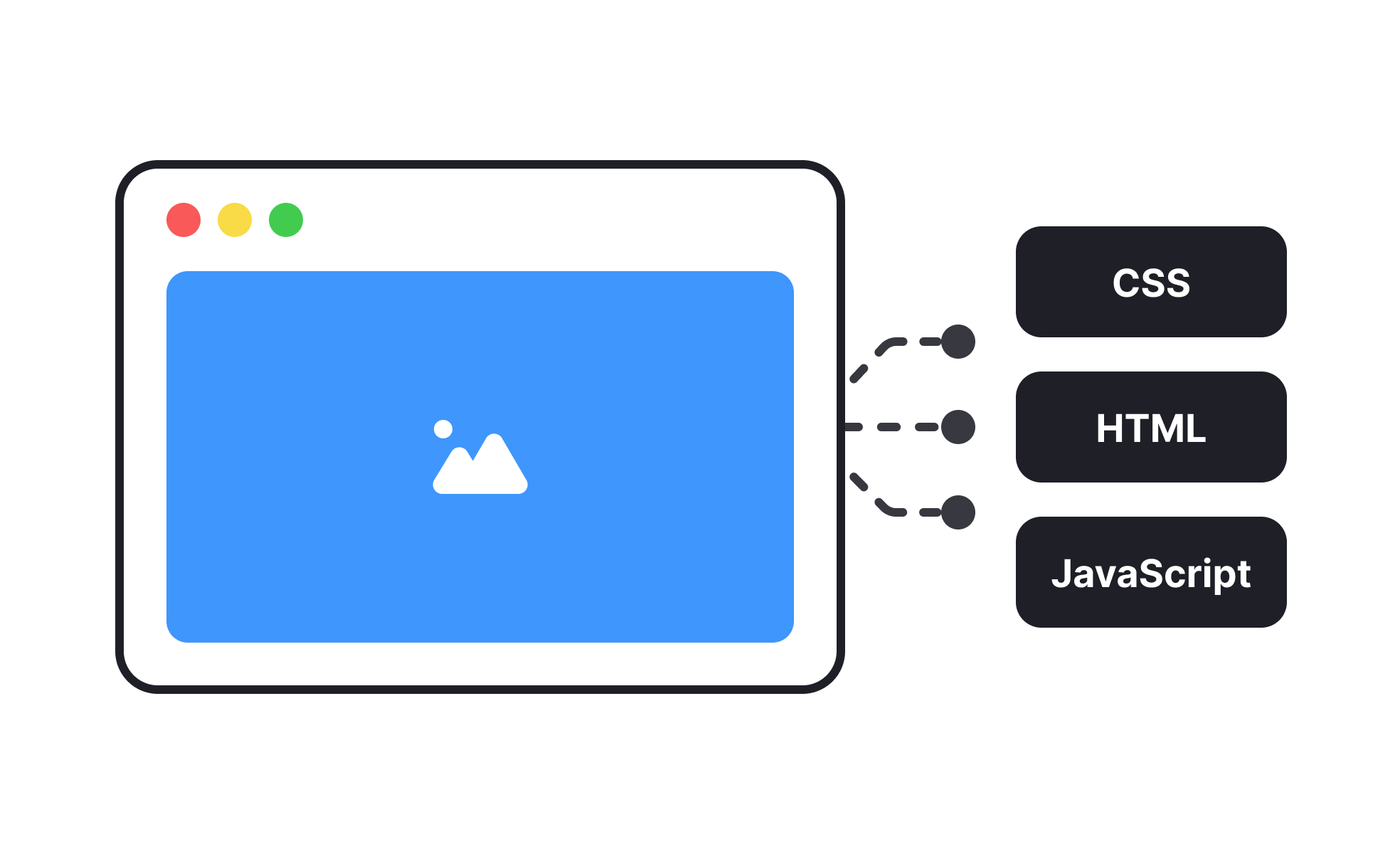
Frontend development creates user-facing parts of web applications and digital products through HTML, CSS, JavaScript, and modern frameworks that users interact with directly in browsers and mobile applications. Frontend developers translate designs into functional, responsive, accessible interfaces while ensuring optimal performance, cross-browser compatibility, and seamless user experiences across different devices and platforms.
This discipline encompasses responsive web design, JavaScript programming, framework development, performance optimization, accessibility implementation, and user experience engineering that bridges design and technology.
Frontend Development in Product Context
Product managers collaborate with frontend developers to ensure user interface implementation supports product goals while delivering excellent user experiences that drive engagement and conversion.
User experience translation and design implementation
Transform product requirements and design mockups into functional interfaces that maintain design integrity while optimizing for performance and usability across different contexts and device types.
Performance optimization and user retention
Implement frontend optimizations that improve loading speed, interaction responsiveness, and perceived performance to reduce user abandonment and improve engagement metrics.
Mobile optimization and responsive design
Create interfaces that adapt effectively to mobile devices where most users access products, ensuring feature parity and optimal user experience across screen sizes.
Frontend Technology Stack
Core web technologies:
- HTML: Semantic markup providing structure and meaning to web content
- CSS: Styling and layout including responsive design and visual presentation
- JavaScript: Interactive functionality and dynamic behavior in web applications
Modern JavaScript frameworks:
- React: Component-based library for building user interfaces with virtual DOM optimization
- Vue.js: Progressive framework with gentle learning curve and excellent documentation
- Angular: Full-featured framework with TypeScript integration and enterprise capabilities
Responsive Design and Mobile Optimization
Mobile-first development approach: Design and build for mobile devices first, then enhance for larger screens using progressive enhancement that ensures core functionality works everywhere.
Flexible layout systems: Use CSS Grid and Flexbox for creating layouts that adapt smoothly to different screen sizes while maintaining visual hierarchy and usability.
Performance optimization for mobile: Optimize images, minimize JavaScript bundles, and implement lazy loading to ensure fast performance on slower mobile connections and less powerful devices.
Touch interaction and usability: Design interactive elements with appropriate sizing and spacing for touch interaction while providing clear feedback for user actions.
Frontend Performance Optimization
- Code splitting: Break JavaScript into smaller chunks loaded only when needed
- Image optimization: Use appropriate formats and sizes with lazy loading implementation
- CSS optimization: Minimize and optimize stylesheets for faster parsing and rendering
- Caching strategies: Implement browser caching and service workers for repeat visits
- Virtual DOM optimization: Use React, Vue, or similar frameworks efficiently to minimize DOM manipulation
- Event handling: Optimize event listeners and avoid performance-killing patterns
- Memory management: Prevent memory leaks through proper component cleanup and resource management
- Bundle analysis: Monitor and optimize JavaScript bundle size and dependencies
- Largest Contentful Paint (LCP): Optimize primary content loading speed
- First Input Delay (FID): Ensure interactive elements respond quickly to user input
- Cumulative Layout Shift (CLS): Prevent unexpected layout shifts during page loading
- Performance monitoring: Track real user metrics and optimize based on actual usage data


