


TL;DR
- Work performed outside of a central office.
- Supported by digital tools and platforms.
- Offers flexibility but requires a clear structure.
- Impacts culture, collaboration, and productivity.
Definition
Remote work is the practice of performing job responsibilities from locations outside a traditional office, supported by technology that enables communication, collaboration, and task management.
Detailed Overview
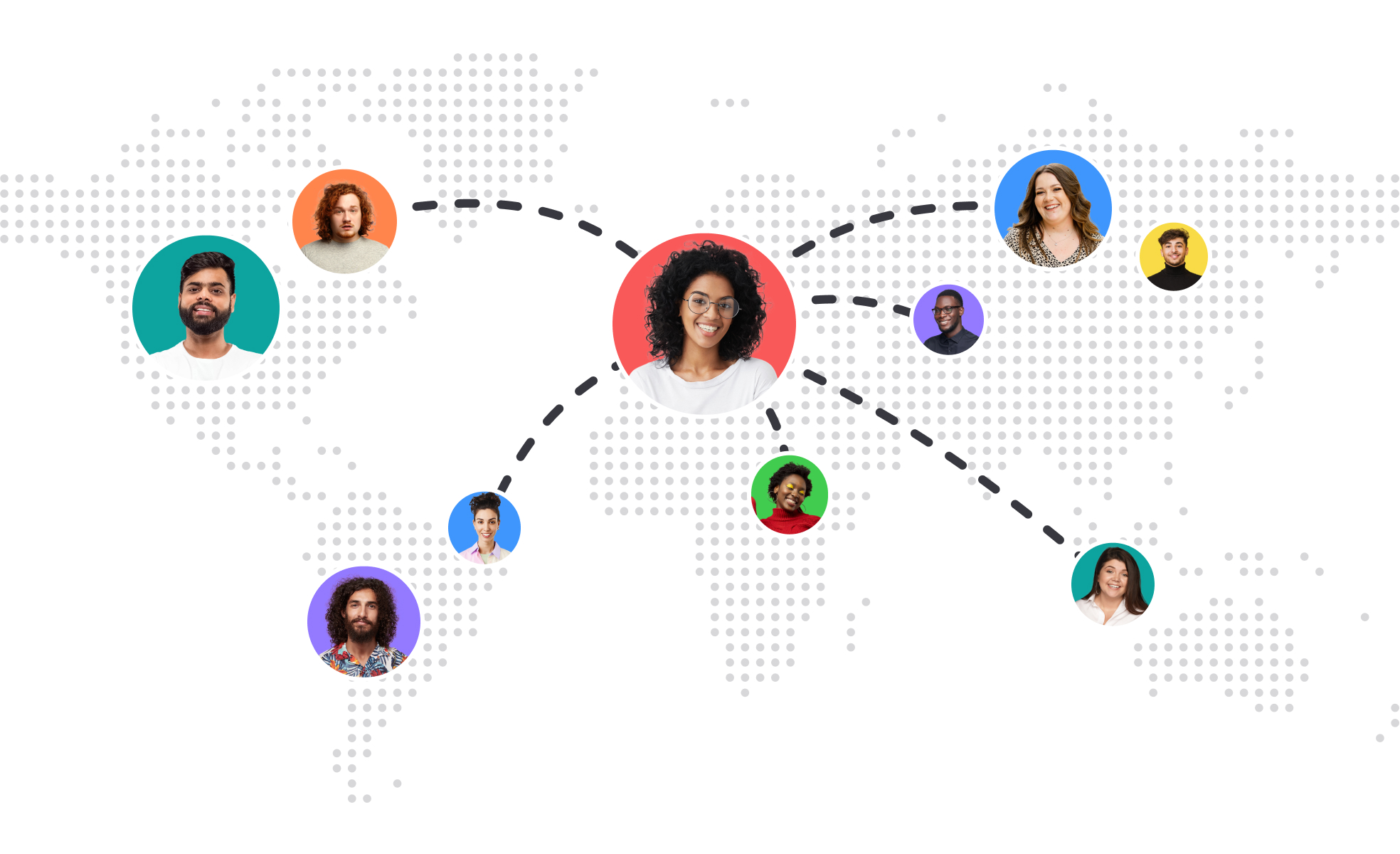
Remote work has become one of the most significant shifts in modern professional life. Rather than requiring physical presence in centralized offices, organizations enable employees to perform their roles from home, co-working spaces, or other locations. This flexibility is supported by digital platforms that facilitate communication, document sharing, and project tracking.
A frequent question is why remote work has grown in importance. Advances in technology, such as high-speed internet and collaboration tools like Slack, Zoom, and Notion, have made distributed work feasible. Global events like the COVID-19 pandemic accelerated adoption, proving that many roles could be performed effectively without physical offices. Companies have since re-evaluated the role of traditional workplaces, with many shifting to hybrid or fully remote models.
Another common query concerns productivity. While some feared that working outside the office would harm focus, research shows that well-structured remote arrangements often increase productivity by reducing commute times and providing more flexibility. That said, remote work requires clear communication, self-discipline, and strong processes to avoid issues like misalignment or isolation.
Culture is another major topic. In traditional offices, culture develops through shared spaces and spontaneous interactions. In remote environments, intentional practices are required to foster connection. Rituals like virtual team check-ins, digital celebrations, and asynchronous knowledge sharing become essential to maintaining engagement and morale.
Teams also ask about challenges. Remote work can blur boundaries between professional and personal life, leading to burnout if not managed well. Isolation and lack of face-to-face interaction can reduce belonging.
Another frequent question involves inclusivity. Remote work expands opportunities for people who cannot relocate, commute, or work traditional hours. This flexibility supports diversity but requires attention to accessibility and fair distribution of opportunities, ensuring remote employees have equal visibility and advancement potential.
Finally, remote work is not static. Organizations experiment with hybrid models, asynchronous collaboration, and new digital tools. The ongoing challenge is balancing flexibility with accountability, making sure that remote arrangements support both employee satisfaction and business outcomes.


