


TL;DR
- Interfaces designed for wearable screens.
- Prioritize glanceable, quick interactions.
- Use simplified navigation and gestures.
- Extend mobile and app functionality to the wrist.
Definition
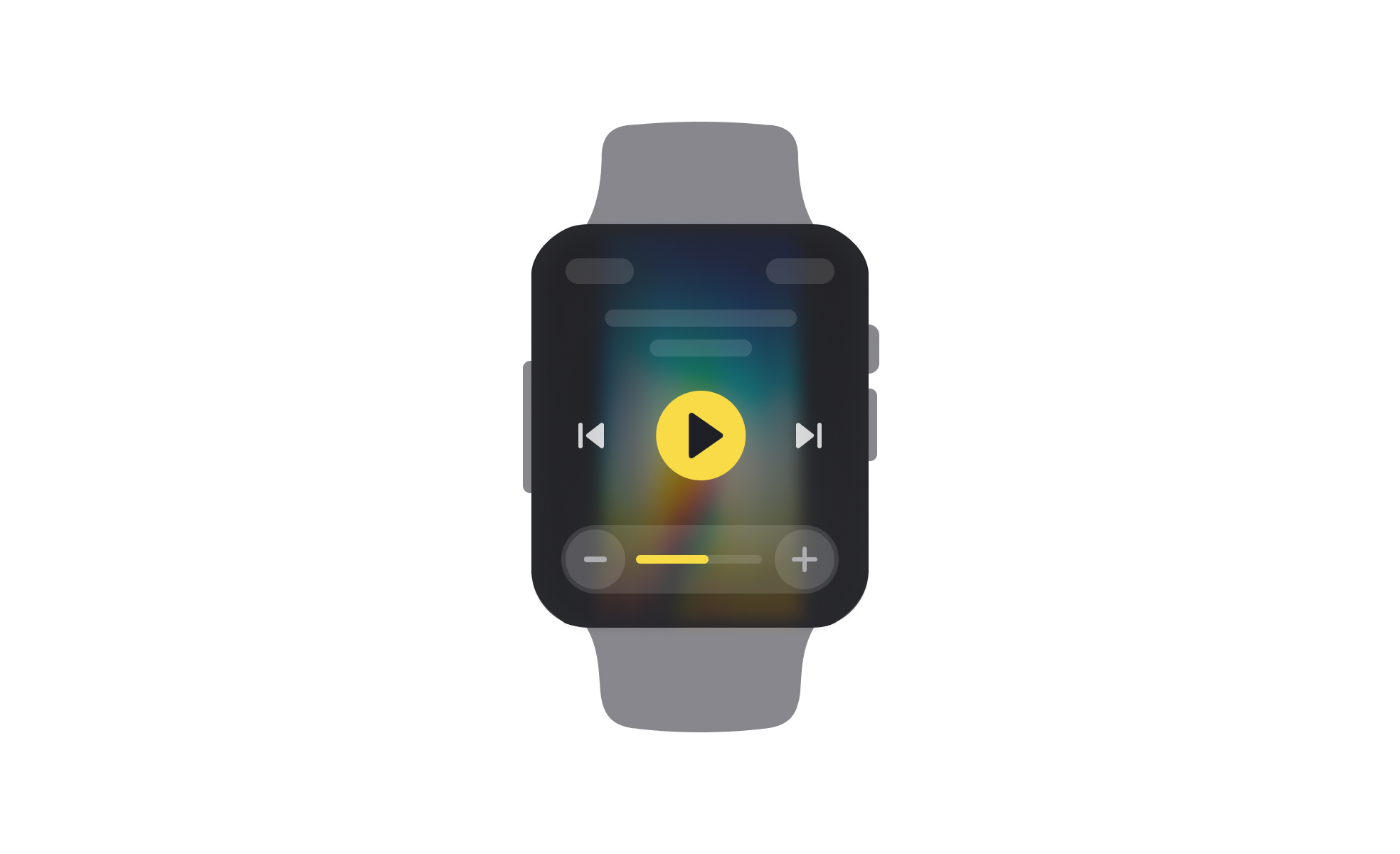
A smartwatch is a wearable device with a small digital display that extends mobile and app functionality, requiring designs optimized for limited space and quick, frequent interactions.
Detailed Overview
Smartwatches have transformed how people access information by bringing digital interactions to the wrist. Unlike mobile phones, which can support complex workflows, smartwatches are built around micro-interactions, quick, glanceable moments where users check notifications, monitor activity, or perform lightweight actions like replying to messages.
A frequent question is how design adapts to the small screen size. Interfaces must simplify content, focusing on clarity and minimalism. Large buttons, high-contrast text, and simple navigation patterns reduce error rates. The “glanceable design” principle emphasizes delivering maximum value in minimal time, since users often look at the device for only a few seconds.
Another common query concerns input methods. Because smartwatches rely on small screens, input must be simple and efficient. Designers use taps, swipes, and long presses as primary gestures, often supplemented by voice commands or integration with smartphone keyboards. Effective smartwatch interfaces minimize typing and maximize action speed.
Teams also ask about smartwatch functionality. While watches provide notifications, fitness tracking, and timekeeping as core features, they increasingly extend mobile experiences. Apps like banking, navigation, or messaging offer stripped-down versions optimized for quick interactions. The key is not to replicate full app workflows but to complement them.
Accessibility is another important topic. Designers must account for users with visual, motor, or auditory challenges. High-contrast themes, haptic feedback, and voice navigation help make smartwatches inclusive. Since smartwatches are personal devices worn daily, an accessible design greatly expands usability.
Battery life is a frequent concern. Interfaces must be visually efficient, avoiding heavy animations or excessive brightness that drains power. Minimalistic design not only improves usability but also supports longer device performance.
Learn more about this in the Smartwatch Exercise, taken from the Devices & Screen Sizes Lesson, a part of the UX Design Foundations Course.


