


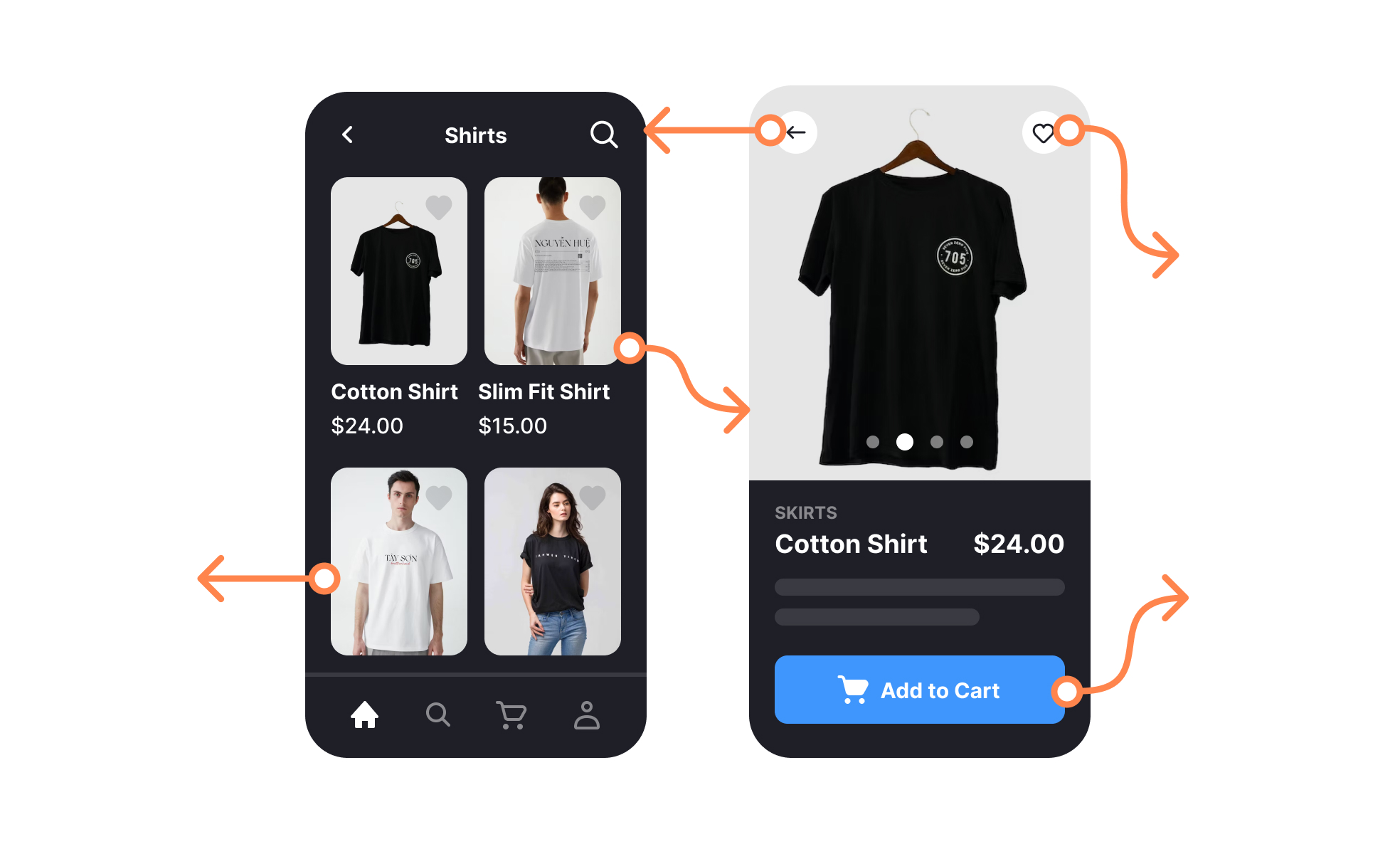
What is Prototyping?
Your team spends months building features based on assumptions that turn out to be wrong, leading to expensive rework and products that don't meet user needs or business objectives.
Most development teams build final products without testing concepts first, missing opportunities to validate ideas cheaply and iterate based on user feedback before committing significant resources.
Prototyping is the iterative process of creating early, testable versions of products or features to validate concepts, gather user feedback, and refine solutions before full development, reducing risk and improving outcomes through rapid experimentation and learning.
Teams using systematic prototyping achieve 50% fewer expensive redesigns, 40% faster development cycles, and significantly better user satisfaction because they test and refine ideas before building final products.
Think about how companies like IDEO use rapid prototyping to test product concepts with users before manufacturing, or how software companies create clickable prototypes to validate user experience before writing production code.
Why Prototyping Matters for Product Success
Your development process is expensive and risky because teams build complete features based on untested assumptions, leading to products that miss user needs and require costly changes after launch.
The cost of skipping prototyping compounds throughout development. You build wrong solutions, discover problems late when fixes are expensive, and miss opportunities to create better user experiences through iterative improvement.
What systematic prototyping delivers:
Faster problem identification because prototypes reveal usability issues, concept problems, and user confusion before teams invest significant development time in wrong directions.
When you test ideas early, you can fix problems while changes are easy rather than discovering issues after products are built.
Better user experiences through iterative refinement based on actual user feedback rather than internal assumptions about what users want or need.
Reduced development costs because prototyping identifies optimal solutions before expensive development begins, preventing rework and feature changes during late development stages.
Higher stakeholder confidence as prototypes provide tangible demonstrations of concepts that enable better decision-making about resource allocation and strategic direction.
Improved team alignment because prototypes create shared understanding of solutions and user experiences that reduce miscommunication during development.
Advanced Prototyping Strategies
Once you've established basic prototyping capabilities, implement sophisticated testing and validation approaches.
Multi-Fidelity Prototyping: Use different prototype fidelity levels for different testing objectives, from rough sketches for concept validation to high-fidelity prototypes for detailed usability testing.
Collaborative Prototyping: Involve users, stakeholders, and cross-functional team members in prototype creation to build shared understanding and buy-in for solutions.
Systematic Prototype Testing: Create structured testing protocols that generate actionable insights about user behavior, preferences, and usage patterns rather than general feedback.
Prototype-to-Production Pipelines: Develop efficient processes for transitioning from validated prototypes to production development that maintains design integrity and user experience quality.


