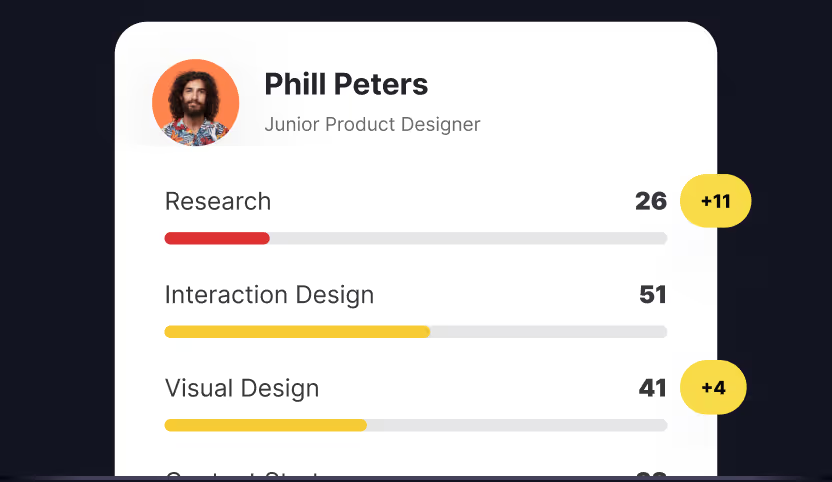

You’ve been scrolling through job postings for product manager roles, and the requirements read like a wish list written by someone who wants a unicorn. Strategic thinking. Data analysis. Technical fluency. Leadership. Communication. AI expertise. The list goes on.

Here’s the thing: most of these postings are describing the same core competencies, just wrapped in different corporate language. After digging through hundreds of PM job descriptions, industry reports, and talking to hiring managers, I’ve mapped out the skills that actually matter in 2026. Not the buzzwords. The real stuff that gets you hired, promoted, and respected. Successful product managers blend hard skills and soft skills, and it’s their advanced skills and commitment to continuous learning that truly set them apart in the field.

This guide covers 35 essential product manager skills across five categories, with practical ways to develop each one. Whether you’re breaking into product management or pushing toward a senior role, you’ll find something useful here. Human interactions play a critical role in product management, and product managers need a diverse set of skills to succeed.

What you'll learn from this article

  • Technical skills (hard skills) that help you speak the language of engineers and data teams
  • Soft skills that separate good PMs from great ones
  • Business skills that connect product decisions to company outcomes
  • Cross-department skills that make you invaluable to design and research teams
  • AI skills that are becoming non-negotiable in 2026

Quick reference: all 35 product manager skills at a glance

Category Skills Key courses
Technical skills (8) Product usage analytics, Agile methodologies, Product management tools, SQL basics, API and technical architecture, A/B testing, Statistical analysis, Business intelligence tools Agile Teams, Product Analytics
Soft skills (8) Communication, Emotional intelligence, Adaptability, Creative thinking, Time management, Negotiation, Cross-functional leadership, Mentoring Cross-functional Teams, Mentorship
Business skills (8) Product strategy, Product vision, Business model understanding, Market analysis, Go-to-market strategy, Financial modeling, Pricing strategies, Product lifecycle management Intro to PM, Product Discovery
Design skills (7) Design thinking, User research, Prototyping and wireframing, Customer journey mapping, User flows and information architecture, Usability testing, Accessibility Design Thinking, UX Research, Wireframes
AI skills (4) AI fundamentals, AI-powered analytics, Prompt engineering, AI ethics Human-Centered AI, AI Prompts

Technical skills every PM needs in 2026
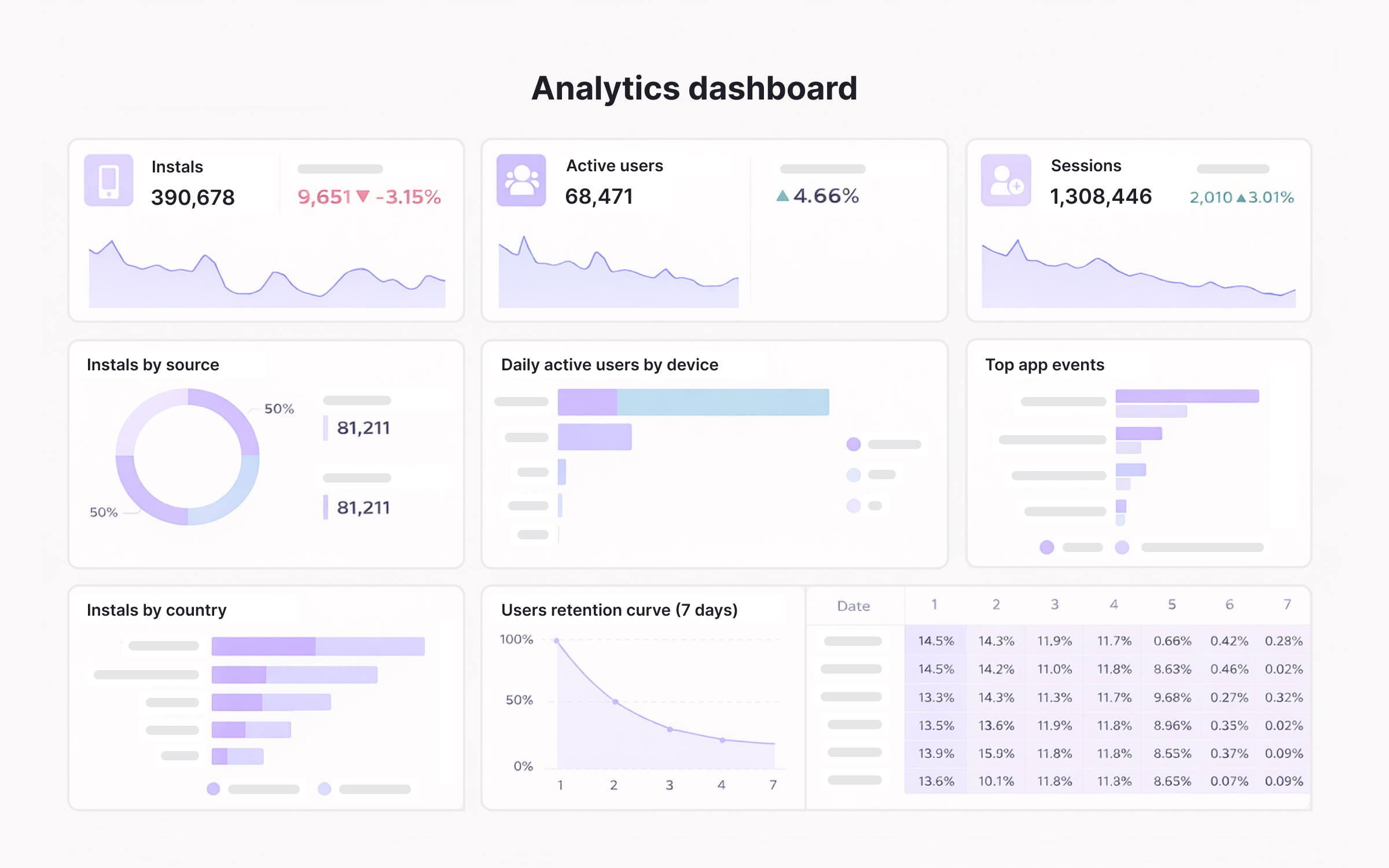
Product managers aren’t expected to write production code or build complex data pipelines. But the gap between “technical enough” and “not technical at all” has never been more important. These eight skills help you collaborate effectively with engineering and data teams without pretending to be something you’re not. To succeed, product managers need a blend of hard skills and technical proficiency, including a basic understanding of the technology stack, technical aspects, and software development processes.

As a product manager, you are responsible for translating business needs into technical requirements and must blend soft skills and hard skills to align teams and build valuable, usable, and feasible products.

Before diving into the list of technical skills, it’s important to note that project management and a solid grasp of the product development process and lifecycle are essential for navigating the complexities of product management.

Product usage analytics

Understanding how users actually behave in your product is foundational. This goes beyond checking dashboards once a week. It means knowing which metrics matter for your product stage, setting up meaningful tracking, and spotting patterns that inform roadmap decisions.

The best PMs I’ve come across can look at usage data and immediately spot anomalies, trends, and opportunities. They know the difference between vanity metrics and actionable ones. Strong analytical skills, proficiency in data analytics, and the ability to leverage market data are essential for making informed product decisions and driving continuous improvement. They understand cohort analysis, retention curves, and funnel drop-offs at an intuitive level.

Why this matters: Every product decision should be grounded in user behavior data. PMs who can’t interpret analytics are essentially guessing. In 2026, with tools getting more sophisticated and data more accessible, there’s no excuse for flying blind. The gap between data-informed PMs and those who rely on intuition keeps widening. Tracking key performance indicators and using performance metrics analysis helps product managers make strategic decisions based on measurable outcomes.

How to develop it: Start with the analytics tool your company uses. Spend time in Amplitude, Mixpanel, or whatever platform you have. Build your own reports instead of relying on pre-built dashboards. Track a feature launch end-to-end and present findings to your team. Challenge yourself to answer one product question per week using data alone. The Product Analytics course on Uxcel walks through practical analysis techniques you can apply immediately.

Agile methodologies

Agile isn’t just about standups and sprint planning. It’s a mindset for iterative development that affects how you scope work, prioritize backlogs, and respond to changing requirements. Most product teams run some flavor of Scrum or Kanban, and you need to understand the mechanics. Strong project management skills are essential for leading a development team through the entire product lifecycle, ensuring collaboration, prioritization, and alignment with strategic goals.

What separates PMs who “do Agile” from those who actually understand it? The former follow rituals mechanically. The latter know when to adapt the framework, how to handle edge cases, and why certain practices exist. They can explain the trade-offs between different approaches and adjust based on team context.

Why this matters: Engineering teams live in Agile frameworks. If you don’t understand sprint velocity, story pointing, or backlog refinement, you’ll struggle to plan realistic timelines and communicate effectively with developers. You’ll also miss opportunities to improve team processes. Risk management is a critical part of this process, as Agile and Scrum mastery enables product managers to efficiently manage iterative development, forecast potential issues, and mitigate risks throughout the product lifecycle.

How to develop it: Get certified if you haven’t already. But more importantly, run retrospectives with your team and actually implement the feedback. Shadow a scrum master for a few sprints. Read about how companies like Spotify adapted Agile for scale. Pay attention to what works and what doesn’t in your current environment. Uxcel’s Agile Teams course covers both theory and practical application.

Product management tools

The PM tooling landscape is crowded. Jira, Linear, Productboard, Notion, Coda, Asana. You don't need to master every tool, but you should be proficient in whatever your organization uses and adaptable enough to switch when needed.

Why this matters: Tools shape workflows. A PM who struggles with their roadmapping software or can't set up proper Jira workflows creates friction for the entire team. Proficiency here is table stakes.

How to develop it: Pick one tool and go deep. Build templates, automate repetitive tasks, create custom views. Then branch out. Most tools offer free trials. Spend a weekend exploring alternatives to understand trade-offs.

SQL basics

You don’t need to write complex joins or optimize query performance. But being able to pull your own data instead of waiting for an analyst is a superpower. Product managers should have a basic understanding of technical concepts, technical knowledge, and technical proficiency. These skills help you communicate with engineering teams, understand product structures, and contribute more effectively to product development. Basic SELECT statements, filtering, grouping, and simple aggregations cover most PM use cases.

I’ve watched PMs wait days for simple data requests that would take five minutes with basic SQL knowledge. That’s days of decisions delayed, opportunities missed, and momentum lost. The analysts aren’t slow. They’re just busy with everyone else’s requests too.

Learning SQL also changes how you think about data. You start understanding how information is structured, what questions are easy to answer versus hard, and why certain requests take longer than others.

Why this matters: Data requests create bottlenecks. When you can answer your own questions in five minutes instead of waiting three days for an analyst, you move faster and make better decisions. You also become more self-sufficient and less dependent on other teams. Having enough technical knowledge enables you to communicate more effectively with engineering teams.

How to develop it: Mode Analytics and DataCamp offer free SQL tutorials. But the best way to learn is with real data. Ask your data team for read access to a sandbox database and start exploring. Write queries that answer actual product questions you have. Start simple and gradually tackle more complex questions.

API and technical architecture knowledge

You should understand what an API is, how your product’s architecture works at a high level, and why certain technical decisions create constraints or opportunities. It's essential to grasp the technology stack, technical aspects, and software development processes involved in your product, as this knowledge enables you to communicate effectively with engineers, set realistic expectations, and make informed decisions throughout the product lifecycle. This helps you scope features accurately and have productive conversations with engineers.

Technical literacy doesn’t mean pretending to be an engineer. It means understanding enough to ask good questions and evaluate answers. Technical expertise for product managers is about having sufficient technical knowledge to collaborate with engineering teams, discuss product structure and features, and address technical challenges, even without a computer science background. When an engineer says something will take three months, you should be able to understand why. When they propose a simpler alternative, you should be able to evaluate the trade-offs.

Why this matters: Technical literacy prevents you from proposing impossible features or underestimating complexity. It also earns respect from engineering teams who’ve dealt with PMs who don’t understand basic technical concepts. They’ll be more willing to collaborate and explain trade-offs.

How to develop it: Ask your engineers to walk you through system architecture diagrams. Read your company’s technical documentation. Take an intro course on web development to understand how frontend and backend systems interact. When engineers use terms you don’t understand, ask them to explain.

A/B testing and experimentation

Running experiments is how you validate assumptions before committing resources. Incorporating user testing and conducting market research is essential during experimentation, as these methods help gather customer feedback, validate product ideas, and ensure decisions are based on real market data.

Why this matters: Opinions are cheap. Data from well-designed experiments is gold. PMs who can design and interpret A/B tests make better decisions and can defend those decisions with evidence.

How to develop it: Run small experiments on low-risk features. Learn about sample size calculators and statistical power. Read case studies from companies like Airbnb and Netflix about their experimentation cultures.

Statistical analysis

Beyond A/B testing, understanding basic statistics helps you evaluate research findings, interpret survey results, and avoid being fooled by misleading data. Concepts like correlation vs. causation, confidence intervals, and selection bias come up constantly.

Why this matters: Bad data interpretation leads to bad decisions. A PM who understands statistical concepts can push back on flawed analysis and make more nuanced decisions.

How to develop it: Khan Academy's statistics course is free and excellent. Apply concepts to real product data. When you see a chart or metric, ask yourself what could be misleading about it.

Business intelligence tools

Looker, Tableau, Power BI, Metabase. These tools turn raw data into insights. Being able to build your own dashboards and reports means you can explore data without depending on others.

Why this matters: Self-service analytics is becoming the norm. PMs who can create their own visualizations and share insights with stakeholders are more effective and autonomous.

How to develop it: Most BI tools have free tiers or trials. Build a dashboard that tracks your product's key metrics. Share it with your team and iterate based on feedback.

Soft skills that separate good PMs from great ones

Technical competence gets you in the door. Soft skills determine how far you go. These eight capabilities are harder to teach but make an outsized difference in your effectiveness as a product manager. Interpersonal skills, human interactions, and communication skills, including strong communication skills for public speaking and written communication skills for clear documentationM are essential for collaborating with teams, stakeholders, and clients.

Soft skills determine how far you go. Leadership skills, including team leadership, are crucial for inspiring and guiding product development teams toward common goals, while user empathy helps product managers create user-centered solutions.

Emotional intelligence includes managing conflict and user empathy during the product lifecycle, and empathy enables product managers to understand and share the feelings of users, both of which are vital for effective product management.

Here are the most important soft skills for product managers:

Communication

This is the meta-skill. Everything a PM does involves communication. Writing PRDs, presenting to executives, aligning stakeholders, giving feedback to designers, and explaining technical constraints to non-technical colleagues. Communication skills, including strong communication skills in public speaking and written communication skills, are crucial for product managers to influence, lead, and share their product vision with different audiences. If you can’t communicate clearly, nothing else matters.

Communication for PMs has layers. There’s written communication: specs, emails, Slack messages, and documentation. There’s verbal communication: meetings, presentations, and one-on-ones. And there’s visual communication: using diagrams, mockups, and data visualizations to make points clearer. Strong PMs are good at all three. Product managers must also effectively communicate with internal stakeholders, such as sales, marketing, and finance teams, to align on product vision and strategy.

The best communicators I know tailor their message to the audience. They explain things differently to engineers than to executives. They know when to be detailed and when to be concise. They can read the room and adjust on the fly.

Why this matters: PMs are the connective tissue between teams. Miscommunication causes delays, misalignment, and wasted effort. Clear communication prevents problems before they start. A PM who can’t communicate is a bottleneck instead of an enabler. Effective communication is essential for product managers to convey ideas clearly and foster understanding among team members and stakeholders.

How to develop it: Write more. Present more. Ask for feedback on both. Record yourself presenting and watch it back. Pay attention to how effective communicators in your organization structure their messages. Practice explaining complex topics simply. Uxcel’s Cross-Functional Teams course covers communication strategies for working across departments.

Emotional intelligence

Understanding your own emotions and reading others accurately helps you navigate difficult conversations, build trust, and influence without authority. Strong product manager skills require a focus on human interactions and user empathy, as these are essential for understanding stakeholders and creating user-centered products. This includes self-awareness, empathy, and social skills.

Product management is full of emotionally charged situations. An engineer frustrated by changing requirements. A designer who feels their work isn’t valued. An executive disappointed by metrics. A sales rep who promised a customer something you can’t deliver. How you handle these moments determines your effectiveness.

High EQ PMs notice when tension is building and address it before it escalates. They understand that people’s reactions often have deeper causes. They can disagree without creating enemies and deliver hard truths without destroying relationships.

Why this matters: Product management is fundamentally about people. You’re constantly negotiating priorities, managing expectations, and working through conflicts. Emotional intelligence makes all of that easier. It’s often the difference between PMs who burn out their teams and those who inspire them. Emotional intelligence also includes managing conflict and user empathy throughout the product lifecycle, and empathy enables product managers to understand and share the feelings of users, crucial for user-centered product design.

How to develop it: Practice active listening. Before responding in tense situations, pause and consider the other person’s perspective. Ask for feedback on how you come across to others. Pay attention to patterns in your emotional reactions. Consider working with a coach who can provide an outside perspective.

Adaptability

Product plans change. Markets shift. Priorities get reshuffled. Companies pivot. The ability to adjust quickly without losing momentum or morale is essential.

Some PMs treat change as a personal affront. They cling to plans that no longer make sense. They complain about shifting priorities instead of adapting to them. This makes their lives harder and damages their credibility.

The best PMs expect change and build it into how they work. They hold plans loosely. They distinguish between what's truly important and what's just current assumptions. When circumstances change, they move forward with the new reality instead of mourning the old one.

Why this matters: Rigidity kills products and careers. PMs who can adapt to new information, changing circumstances, and unexpected setbacks are more resilient and effective. They're also less stressed because they're not fighting reality.

How to develop it: Embrace uncertainty as normal rather than exceptional. When plans change, focus on what you can control. Build buffers into your timelines. Practice scenario planning so you have contingencies ready. Notice when you're resisting change and ask yourself why.

Creative thinking

Coming up with novel solutions to user problems is what separates average products from great ones. This means looking beyond obvious answers and challenging assumptions.

Why this matters: The best product opportunities often aren't obvious. PMs who can think creatively find solutions that competitors miss.

How to develop it: Expose yourself to different industries and disciplines. Practice brainstorming techniques like "How might we" questions. Challenge yourself to generate multiple solutions before committing to one.

Time management

PMs are constantly pulled in different directions. Meetings, Slack messages, documents to write, stakeholders to align. Without disciplined time management, you'll spend all day reacting instead of driving progress on what matters.

Why this matters: Your time is your most scarce resource. How you allocate it determines what gets done and what doesn't.

How to develop it: Block time for deep work. Audit how you actually spend your week versus how you think you spend it. Learn to say no to low-priority requests. Use frameworks like Eisenhower matrices to prioritize.

Negotiation skills

You're constantly negotiating. With engineering over scope. With design over timelines. With executives over resources. With sales over feature requests. Getting good at negotiation means getting more of what your product needs.

Why this matters: Resources are limited. PMs who can negotiate effectively secure better outcomes for their products and teams.

How to develop it: Read "Getting to Yes" and "Never Split the Difference." Practice in low-stakes situations. Prepare for important negotiations by understanding the other party's interests and constraints.

Cross-functional team leadership

You lead without direct authority. Engineers, designers, and data scientists don’t report to you, but you’re responsible for outcomes. This requires influence, trust-building, and creating clarity around shared goals. Leading a product development team, product team, and development team demands strong leadership skills and the ability to influence without authority, empowering teams, motivating others, and guiding them toward success.

Why this matters: Product outcomes depend on cross-functional collaboration. PMs who can rally teams around a vision and keep them aligned deliver better results. Product managers are expected to lead cross-functional teams and foster collaboration among diverse stakeholders, and team leadership involves inspiring and guiding a product development team towards common goals.

How to develop it: Invest in relationships before you need them. Give credit generously. Be transparent about decisions and trade-offs. Follow through on commitments. Leadership skills enable product managers to inspire and guide their teams towards common goals.

Mentoring

As you grow in your career, developing others becomes part of your job. This helps the team, builds your leadership reputation, and forces you to articulate what you know.

Why this matters: Great PMs build great teams. Mentoring junior PMs creates leverage and strengthens your organization's product culture.

How to develop it: Volunteer to mentor someone more junior. Be intentional about sharing knowledge, not just giving answers. The Mentorship course by ADPList on Uxcel provides frameworks for effective mentoring relationships.

Business skills that connect product to outcomes
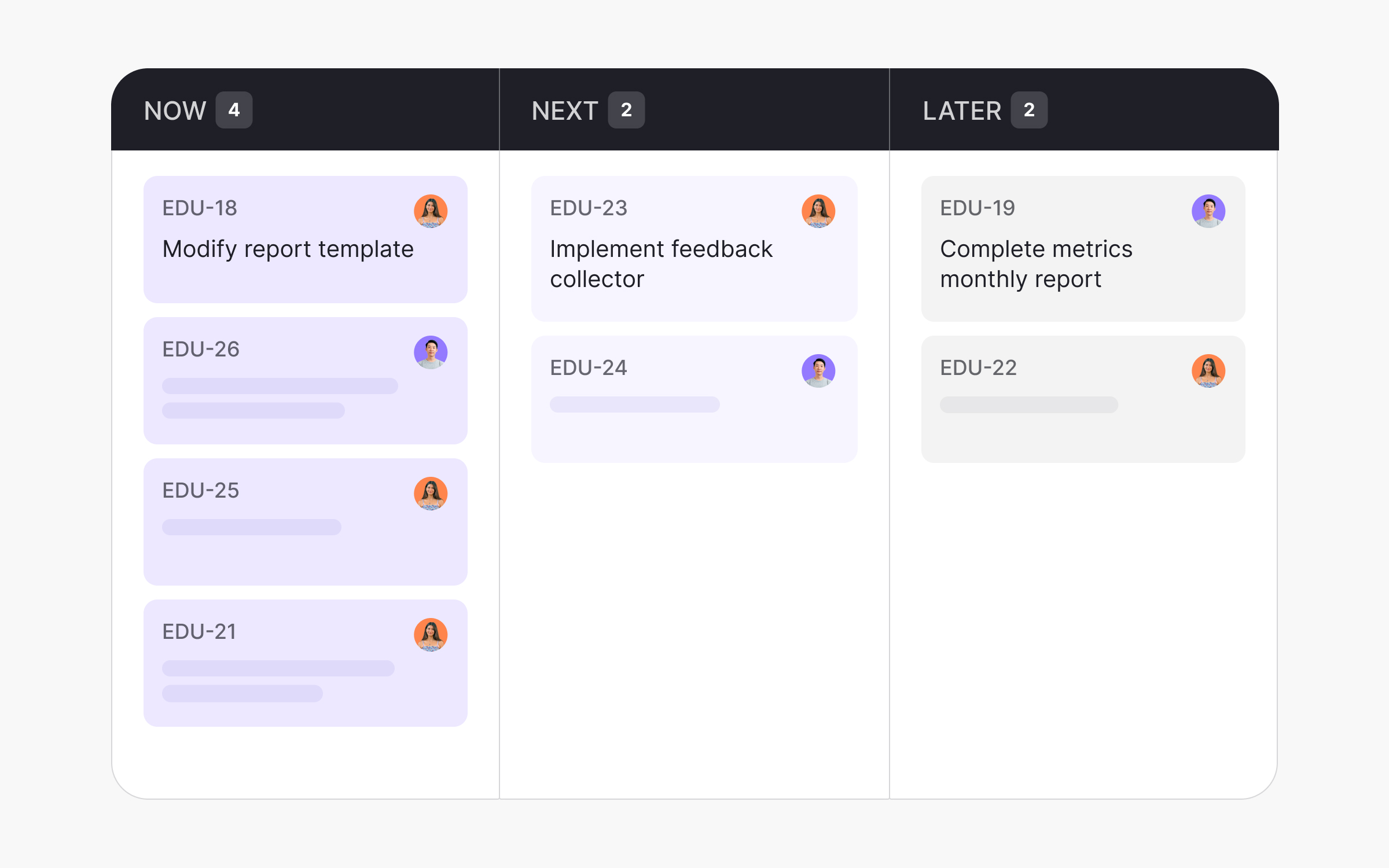
Product management sits at the intersection of user needs, business goals, and technical possibilities. To be effective, product managers must align product strategy with business objectives, business strategy, and company strategy, ensuring that product decisions support the broader goals and strategic direction of the organization. These eight skills help you navigate the business side of that equation.

Employers look for product managers who can connect business objectives to product decisions on their resumes. PMs also need commercial literacy, including understanding financial drivers such as Customer Acquisition Cost and Lifetime Value.

Here are the key business skills every product manager should develop:

Product strategy and planning

Strategy is about making choices. What to build, what not to build, and why. This means understanding competitive dynamics, market opportunities, and how your product fits into the broader business. A strong strategic vision and a well-defined product roadmap are essential for guiding product strategy, aligning stakeholders, and providing a clear direction for product development.

Too many PMs confuse a roadmap with a strategy. A roadmap is a plan. Strategy is the logic behind the plan. It answers why you’re making certain bets and not others. It explains your theory of winning.

Good product strategy considers multiple dimensions: user needs, market positioning, competitive differentiation, technical feasibility, and business model fit. It’s informed by research but requires judgment calls. And it evolves as you learn.

Why this matters: Tactics without strategy lead to feature factories. PMs who can think strategically create more coherent products and make better prioritization decisions. They can explain why one opportunity matters more than another. Outcome-based strategy in product management focuses on linking roadmap choices directly to measurable business results, and strategic thinking is essential for developing long-term visions that align with business objectives.

How to develop it: Study how successful products evolved. Read about different strategic frameworks like jobs-to-be-done, blue ocean strategy, and playing to win. Practice articulating your product’s strategy in one page. Test it by seeing if it helps you make prioritization decisions. Uxcel’s Intro to Product Management course covers strategic thinking fundamentals.

Product vision

Vision is the north star that guides daily decisions. It’s the compelling picture of the future that motivates your team and aligns stakeholders. A clear vision makes prioritization easier and gives meaning to the work. To be effective, a product vision must be closely aligned with company strategy and business objectives, ensuring that product development supports the organization’s overarching goals.

Why this matters: Teams without vision drift. PMs who can articulate where the product is going and why create alignment and motivation.

How to develop it: Study vision statements from companies you admire. Practice writing and refining your own product vision. Test it by sharing with others and seeing if it resonates. The Product Vision and Strategy lesson on Uxcel digs deeper into this.

Business model understanding

How does your company make money? How does your product contribute to that? Understanding unit economics, revenue models, and cost structures helps you make decisions that support the business, not just the user. It's essential to understand business objectives and business strategy, and to develop commercial literacy, including key financial drivers like Customer Acquisition Cost and Lifetime Value, to ensure your product decisions align with the company's strategic goals.

Why this matters: Products exist within businesses. PMs who understand the business model can balance user needs with commercial viability. Employers look for product managers who can connect business objectives to product decisions.

How to develop it: Study your company’s financials if they’re available. Learn about different business models. Talk to your finance team about how they think about your product’s contribution. Uxcel’s Business & Technical Fundamentals course is a great place to start if you’re stuck.

Market analysis and competitive intelligence

Knowing your market means understanding customer segments, competitive landscape, industry trends, and market dynamics. Staying attuned to market trends and maintaining market sensitivity is crucial for recognizing shifts in consumer behavior and adapting your product strategy to remain competitive. This informs positioning, pricing, and feature prioritization.

Why this matters: Products don’t exist in a vacuum. PMs who understand the competitive landscape make better strategic decisions. Market sensitivity allows product managers to grasp shifts in consumer behavior and emerging industry trends.

How to develop it: Set up regular competitive monitoring. Talk to sales about what they hear from customers about competitors. Attend industry events. Read analyst reports.

Go-to-market strategy

Getting a product to market involves more than building features. Successfully delivering products requires close collaboration with the marketing team to ensure alignment on strategy, messaging, and promotion as part of an effective go-to-market approach. It includes positioning, messaging, pricing, launch planning, and coordination with marketing and sales. PMs often own or heavily influence GTM.

Why this matters: Great products fail with poor go-to-market execution. PMs who understand GTM help their products succeed in the market, not just in development.

How to develop it: Partner closely with marketing on launches. Study successful product launches. Learn about positioning frameworks. Uxcel’s Product Discovery course covers aspects of bringing products to market.

Financial modeling and ROI calculation

Being able to build a basic business case helps you secure resources and make investment decisions. This includes forecasting revenue, estimating costs, and calculating return on investment.

Why this matters: Resources go to initiatives that can demonstrate value. PMs who can model financial impact get more support for their ideas.

How to develop it: Learn basic spreadsheet modeling. Study how your company evaluates investments. Build business cases for features you're proposing.

Pricing strategies

Pricing is one of the most powerful levers for product success. Understanding pricing psychology, competitive pricing, value-based pricing, and pricing experiments helps you capture more value.

Why this matters: Pricing affects adoption, revenue, and perception. PMs who understand pricing make better decisions about monetization.

How to develop it: Read "Monetizing Innovation" by Madhavan Ramanujam. Study how companies in your space price their products. Run pricing experiments when possible.

Product lifecycle management

Products go through stages: introduction, growth, maturity, and decline. Product managers need to understand the entire product development process and lifecycle to navigate these stages smoothly and make informed decisions. Each stage requires different strategies, metrics, and priorities. Understanding where your product is in its lifecycle informs how you manage it.

Why this matters: What works for a growth-stage product doesn’t work for a mature one. PMs who understand lifecycle dynamics adapt their approach appropriately.

How to develop it: Assess where your product is in its lifecycle. Study how successful products navigated transitions. Prepare for what’s coming next.

Design skills that make PMs invaluable to their teams
Product managers work closely with designers. The more you understand design principles and methods, the better you can collaborate, give feedback, and make informed trade-offs. A user-centric design approach is essential in product management, as it ensures that user feedback and customer needs are at the forefront of product decisions, helping to create products that truly resonate with users and drive long-term success. These seven skills bridge the gap between product and design.

User-centric design approaches ensure that product managers prioritize user needs in the product development process.

Here are the key design skills every product manager should develop:

Design thinking

Design thinking is a problem-solving approach that emphasizes empathy, ideation, prototyping, and testing. User empathy and a user-centric design approach are vital product manager skills, as they enable PMs to deeply understand user needs and create products that truly resonate with their audience. It provides a framework for tackling ambiguous problems and finding innovative solutions.

The five stages of design thinking (empathize, define, ideate, prototype, test) sound simple. Applying them well is harder. It requires genuine curiosity about users, comfort with ambiguity, and willingness to iterate based on what you learn.

PMs who practice the design thinking approach solve problems differently. Instead of jumping to solutions, they spend time understanding the problem space. Instead of debating opinions, they test hypotheses. Instead of building the first idea, they explore multiple possibilities before committing.

Why this matters: Design thinking helps PMs approach problems more creatively and empathetically. It also creates common ground with design teams and provides a shared vocabulary for collaboration.

How to develop it: Take a design thinking workshop or course. Apply the methodology to a real problem you’re facing. Run a design sprint with your team. Practice divergent thinking before converging on solutions. Uxcel’s Design Thinking course provides practical frameworks you can use immediately.

User and market research

Understanding users means talking to them, observing them, and analyzing their behavior. In product management, this also means conducting market research, gathering user feedback, and deeply understanding customer needs to guide product development and ensure alignment with user expectations.

There’s a difference between PMs who do research and PMs who know how to do research well. The former conduct interviews that confirm their existing beliefs. The latter design studies that might prove them wrong. The former ask leading questions. The latter create space for users to share what actually matters to them.

Good research skills include knowing when to use qualitative versus quantitative methods, how to recruit representative participants, how to synthesize findings into actionable insights, and how to share those insights in ways that influence decisions.

Why this matters: Products built on assumptions fail. PMs who can conduct or interpret user research make better decisions. They catch problems earlier and identify opportunities competitors miss.

How to develop it: Conduct user interviews. Shadow your UX researcher if you have one. Learn different research methodologies and when to use each. Practice writing discussion guides that avoid bias. The UX Research course on Uxcel covers research methods relevant to product decisions.

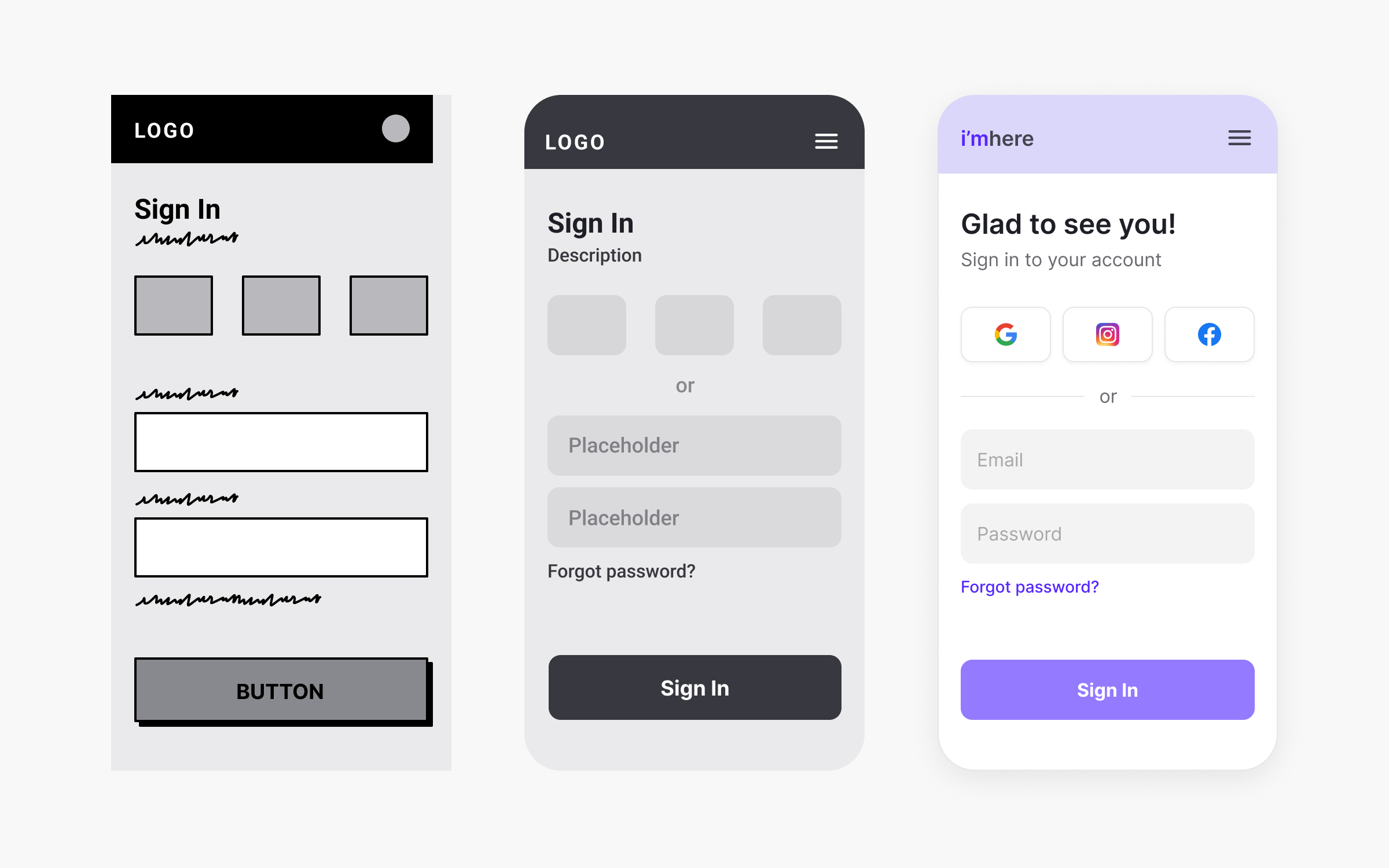
Prototyping and wireframing

You don't need to be a Figma expert, but understanding how to sketch ideas and create low-fidelity prototypes helps you communicate with designers and test concepts quickly.

Wireframing is thinking made visible. When you can sketch out an idea, you externalize your assumptions and make them discussable. You can spot problems in your thinking before anyone writes code. You can align teams around a shared vision.

The goal isn't creating polished designs. It's communicating ideas clearly enough that others can react to them. Sometimes that's a paper sketch. Sometimes it's a quick Figma mockup. The medium matters less than the clarity.

Why this matters: Visual communication is often clearer than written descriptions. PMs who can sketch ideas move faster and align teams more effectively. They also give better feedback to designers because they understand the medium.

How to develop it: Learn basic wireframing in Figma or Balsamiq. Practice sketching UI concepts on paper. Focus on communicating ideas, not creating polished designs. Get feedback on whether your sketches communicate clearly. Uxcel's Designing Wireframes course teaches the fundamentals.

Customer journey mapping

Journey maps visualize the entire customer experience across touchpoints. They help identify pain points, opportunities, and moments that matter.

A good journey map tells the story of a customer's experience from their perspective. It captures what they're trying to accomplish, what they think and feel at each stage, and where things go well or poorly. It connects isolated features into a coherent narrative.

Journey mapping is valuable both as an artifact and as a process. The conversations that happen while creating the map often surface insights that wouldn't emerge otherwise. The map itself becomes a reference point for prioritization discussions.

Why this matters: Products are part of larger experiences. PMs who understand the full journey make better decisions about where to focus. They can identify high-impact improvements that span multiple touchpoints.

How to develop it: Create a journey map for your product's core use case. Involve cross-functional partners in the process. Use it to identify improvement opportunities. Update it as you learn more about your users. The Customer Journey Mapping course on Uxcel provides templates and techniques.

User flows and information architecture

User flows document how users navigate through your product to complete tasks. Information architecture organizes content and features logically. Both affect usability.

User flows reveal friction. When you map the steps required to complete a task, you often discover unnecessary complexity, confusing decisions, or dead ends. What seems simple from the inside looks different when you trace actual paths.

Information architecture determines whether users can find what they need. Poor IA leads to frustrated searching, abandoned tasks, and support tickets. Good IA makes products feel intuitive even when they're complex.

Why this matters: Confusing navigation and poor organization frustrate users. PMs who understand these concepts create more intuitive products. They can have informed discussions with designers about structure and flow.

How to develop it: Map the flows for your product's key tasks. Look for unnecessary steps or confusing branches. Study how well-designed products organize their features. Test your assumptions with users.

Usability testing

Watching real users interact with your product reveals problems you’d never find otherwise. User testing is a crucial product manager skill, as it enables you to gather direct user feedback and validate product ideas before investing in development. Usability testing validates designs before expensive development work.

The first time you watch someone struggle with something you thought was obvious is humbling. It’s also incredibly valuable. Users don’t think like product teams. They don’t read instructions. They don’t explore systematically. They have different mental models and expectations.

Usability testing doesn’t require fancy labs or big budgets. Five users and a screen recording tool can surface most major issues. The key is testing regularly enough that you catch problems early.

Why this matters: Testing catches issues early when they’re cheap to fix. PMs who champion usability testing save time and improve outcomes. They also develop better intuition about what works and what doesn’t.

How to develop it: Conduct moderated usability tests. Learn how to write good tasks and avoid leading questions. Make testing a regular part of your development process. Build relationships with user panels or recruiting services.

Accessibility

Designing for accessibility means ensuring your product works for users with different abilities. This includes visual, auditory, motor, and cognitive considerations.

Accessibility isn't just about compliance or doing the right thing, though both matter. Accessible products often have better overall usability. Captions help people in noisy environments. High contrast benefits users in bright sunlight. Clear navigation helps everyone, not just users with cognitive differences.

Understanding accessibility also helps you ask better questions during design reviews and catch issues before they reach production. It's much cheaper to design accessibly from the start than to retrofit later.

Why this matters: Accessibility isn't just ethical, it's good business. Accessible products reach more users and often have better overall usability. In many contexts, it's also a legal requirement.

How to develop it: Learn WCAG guidelines. Use accessibility checking tools. Include users with disabilities in your research. Audit your current product for accessibility issues. Uxcel's Design Accessibility course covers practical accessibility considerations.

AI skills that are becoming non-negotiable
AI is reshaping product management. These four skills help you work effectively with AI technologies and make informed decisions about AI-powered features.

AI fundamentals for product decisions

Understanding how AI and machine learning work at a conceptual level helps you evaluate opportunities, set realistic expectations, and collaborate with data science teams.

You don't need to understand the math behind neural networks. But you should know the difference between supervised and unsupervised learning, what training data is and why it matters, how models are evaluated, and what can go wrong. You should understand concepts like overfitting, bias in training data, and the trade-offs between model accuracy and explainability.

This knowledge helps you ask better questions: What data would we need? How would we measure success? What are the failure modes? How confident can we be in predictions? Without this foundation, you're dependent on data scientists to translate everything.

Why this matters: AI is being added to everything. PMs who understand AI capabilities and limitations make better decisions about what to build and how. They can push back on unrealistic expectations and identify genuine opportunities.

How to develop it: Take an introductory AI/ML course. Google's ML Crash Course is free and solid. Learn about different types of models and their use cases. Talk to data scientists on your team about how they approach problems. Read about AI products that succeeded and failed, focusing on why. Uxcel's Human-Centered AI course covers AI concepts from a product perspective.

AI-powered analytics and insights

AI tools can analyze data, identify patterns, and generate insights faster than manual analysis. Knowing how to leverage these tools makes you more effective.

Why this matters: AI amplifies your analytical capabilities. PMs who use AI tools for analysis can process more information and find insights faster.

How to develop it: Experiment with AI analytics tools. Use ChatGPT or Claude to help analyze qualitative data. Learn about AI-powered features in your existing tools.

Prompt engineering for PMs

Getting useful outputs from AI systems requires knowing how to write effective prompts. This skill applies to using AI assistants, building AI features, and working with data science teams.

Why this matters: AI is only as good as the instructions it receives. PMs who can write effective prompts get better results from AI tools and can better specify AI feature requirements.

How to develop it: Practice writing prompts for different tasks. Learn about prompt patterns and techniques. The AI Prompts Foundations course on Uxcel covers practical prompting strategies.

AI ethics and responsible AI

AI systems can perpetuate bias, invade privacy, and cause unintended harm. Understanding ethical considerations helps you build AI features responsibly.

Why this matters: AI mistakes can damage users and brands. PMs who understand AI ethics help their companies avoid harmful outcomes.

How to develop it: Study AI ethics frameworks. Learn about common sources of bias in AI systems. Build ethical review into your AI feature development process.Uxcel's Ethical and Responsible Product Design course covers practical considerations for building products that respect users with a section dedicated to AI use.

Which skills should you prioritize? A quick guide

A quick guide: Here’s how to prioritize the essential skills for product managers at each stage of your career. Possessing a broad set of both hard and soft skills is crucial for success, as skills for product managers include technical knowledge, data analysis, leadership, and strategic thinking.

When building your product manager resume, it’s essential to highlight both hard and soft skills to attract potential employers. Tailor your resume to each application by aligning your skills and achievements to the specific role, and provide concrete examples of how you have applied your skills. A powerful blend of specialized and transferable skills will help you stand out from the applicant pool.

So, should you try to master all 35 skills?

Not at once. That would be overwhelming and counterproductive. Successful product managers focus on continuous learning and skill development, consistently seeking out new knowledge and certifications to stay ahead in the field.

The reality is that nobody has mastered all these skills. Even the best PMs have strengths and weaknesses. The goal isn’t perfection across every dimension. It’s being good enough in most areas and genuinely strong in a few that matter for your context.

Here’s a more realistic approach: assess where you are, identify gaps that matter for your current role and goals, then focus on two or three skills at a time.

  • If you’re breaking into product management: Focus on communication, user research, and one technical skill like SQL or analytics. These create the foundation everything else builds on. Don’t worry about advanced business skills or AI yet. Get the basics right first.
  • If you’re a PM looking to level up: Identify which category is weakest for you. If you’re strong technically but struggle with stakeholder management, prioritize soft skills. If you’re great with people but intimidated by data, invest in analytics. Fill your biggest gaps before polishing your strengths.
  • If you’re pushing toward senior or leadership roles: Business skills and cross-functional leadership become more important. Strategy, financial modeling, and mentoring will differentiate you. At this level, you’re expected to connect product work to business outcomes and develop others.

The product managers I’ve seen grow fastest share one trait: they’re intentional about skill development. They don’t just absorb whatever comes their way. They identify gaps, make plans, and follow through. They seek feedback on specific skills and measure their improvement over time.

Platforms like Uxcel make this easier by tracking your skills across both product and design disciplines. You can see where you stand, identify what to learn next, and build competencies systematically. The bite-sized format means you can make progress in five minutes a day, which is more sustainable than marathon learning sessions. With a 48-50% completion rate (compared to the 5-15% industry average), the gamified approach actually keeps people engaged long enough to build real skills.

Whatever approach you take, start somewhere. Pick one skill from this list that would make the biggest difference for you right now. Spend the next month developing it. Then move to the next one.

Crafting an effective product manager resume can be challenging due to the wide range of skills needed for the role. Be sure to highlight both hard and soft skills relevant to product management, quantify your accomplishments with metrics to show tangible impact, and tailor your resume to each application by aligning your skills and achievements to the specific role.

Compounding works for skills just like it works for investments. Small, consistent improvements add up to major capability gains over time. The PMs who will thrive in 2026 and beyond are the ones building their skills today. The ones who wait will find themselves falling behind as the bar keeps rising.

Commonly asked questions about PM Skills in 2026

1. What are the most important skills for a product manager in 2026?

The most critical skills fall into five categories: technical skills (analytics, SQL, A/B testing), soft skills (communication, emotional intelligence, adaptability), business skills (strategy, market analysis, financial modeling), design skills (user research, design thinking, accessibility), and AI skills (AI fundamentals, prompt engineering). To succeed, product managers need a broad set of essential skills, including both hard and soft skills, technical expertise, and technical proficiency, to collaborate with engineering teams, solve complex problems, and drive product success. Communication consistently ranks as the single most important skill since PMs spend most of their time aligning teams and stakeholders.

2. Do product managers need to know how to code?

Product managers don’t need to write production code, but technical literacy helps significantly. Understanding basic SQL lets you pull your own data. Knowing how APIs work helps you scope features accurately. Familiarity with development processes improves collaboration with engineers. You don’t need to be a developer, but you should understand enough to have informed conversations.

3. How long does it take to develop product management skills?

It depends on the skill and your starting point. Foundational skills like SQL basics or wireframing can be learned in a few weeks of focused practice. Complex skills like product strategy or stakeholder management develop over months or years through real experience. Most PMs find that focusing on two or three skills at a time for one to three months each produces steady improvement.

4. What skills do senior product managers need?

Senior PMs need everything junior PMs need, plus deeper business acumen. This includes financial modeling, strategic planning, market analysis, and cross-functional leadership. Senior roles also require mentoring abilities since developing junior team members becomes part of the job. The shift from senior to leadership focuses more on influence, organizational navigation, and connecting product work to company-level outcomes.

5. Are AI skills really necessary for product managers?

In 2026, yes. AI is being integrated into most products, and PMs need to understand capabilities, limitations, and ethical considerations. This doesn’t mean becoming a data scientist. It means understanding enough to evaluate AI opportunities, set realistic expectations, write effective prompts, and ensure responsible implementation. PMs who can’t engage with AI topics will find themselves increasingly left out of important product decisions.

6. What’s the best way to learn product management skills?

Combination approaches work best. Online courses provide structured learning for specific skills. Reading case studies and industry content builds strategic thinking. But nothing replaces hands-on practice. Apply what you learn to real projects. Seek feedback from peers and mentors. Platforms like Uxcel work well because they combine bite-sized learning with practical exercises you can do in five minutes daily, which builds consistency.

Ready to start building your product management skills? Uxcel offers interactive courses across product management, UX design, and AI. With 500,000+ learners and a 48-50% completion rate (10x the industry average), it’s designed for busy professionals who want to learn without overwhelming time commitments.

Related articles

Top 10 product management job boards in 2026

Top 50 PM Interview Questions and Answers for 2026

Breaking into Product Management Through Paths Less Traveled

Product Manager Salary Guide 2026: What You'll Actually Earn