


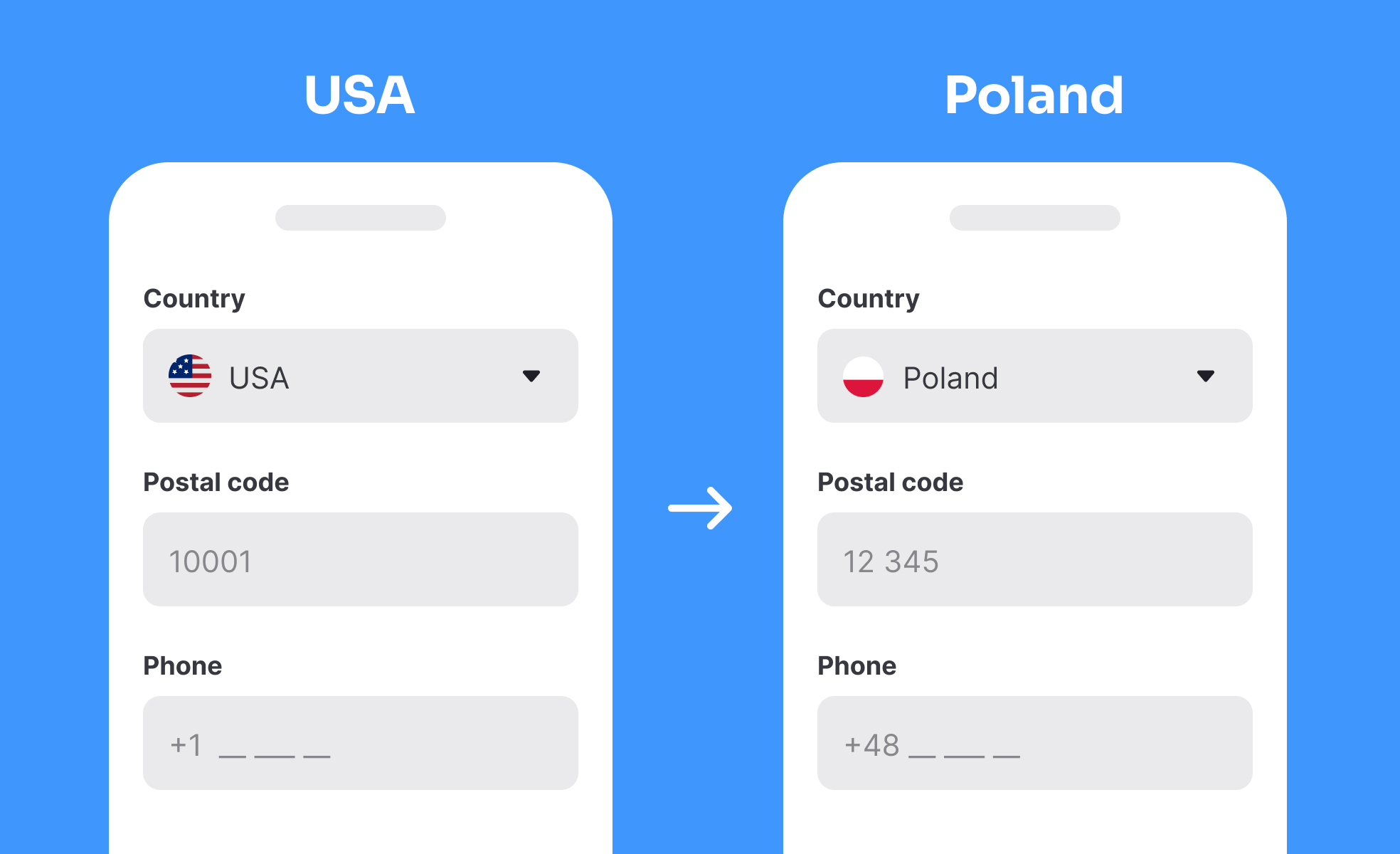
TL;DR
- Adjusts products for specific languages and cultures.
- Goes beyond translation to reflect local norms.
- Improves adoption and user satisfaction globally.
- Supports business growth in international markets.
Definition
Localization is the process of tailoring digital products to specific markets by translating language, adapting visuals, and aligning with cultural, legal, and technical expectations.
Detailed Overview
Localization ensures that products feel native to each market rather than foreign imports. While translation converts words, localization adjusts the full experience, including imagery, date formats, currencies, and even content tone. This comprehensive approach allows users to interact naturally, reducing barriers to adoption.
One common question is how localization differs from translation. Translation focuses only on language, while localization considers cultural context. For example, a literal translation may preserve meaning but miss nuances, humor, or idioms. Localization adapts copy so it resonates with local audiences and avoids misunderstandings.
Another frequent question concerns design adjustments. Text expansion when translating into certain languages can affect layouts, requiring flexible design. Icons or colors may carry different meanings across cultures, so visuals often need changes as well. For instance, color choices that signal positivity in one region may suggest caution in another.
Teams also ask about technical aspects. Localization involves handling regional formats for numbers, addresses, and currencies. It requires supporting character sets beyond Latin alphabets, such as Cyrillic or Kanji, and ensuring systems display and sort text correctly. Without these adjustments, user experiences can break across markets.
Accessibility overlaps with localization in interesting ways. For users in multilingual environments, offering easy switching between languages or providing localized screen reader support can make a significant difference. Accessibility and localization together create inclusive, global-ready products.
Finally, businesses often ask why localization is worth the investment. The answer lies in adoption and retention. Products that feel foreign are harder to trust. By aligning with local culture, companies show respect for users’ needs, which improves satisfaction, loyalty, and ultimately revenue. Successful international growth often depends on effective localization strategies.
Learn more about this in the Localization Exercise, taken from the How to Use Text in Wireframes Lesson, a part of the Wireframing Course.


