


TL;DR
- Validates functionality and quality of products.
- Includes usability, performance, and system checks.
- Detects issues early to reduce costs.
- Builds confidence before release.
Definition
Testing is the structured process of examining software, products, or designs to ensure they operate correctly, deliver value, and meet user and business requirements.
Detailed Overview
Testing is a cornerstone of product development because it provides confidence that features and systems behave as expected. Without structured testing, defects reach users, causing frustration, reputational harm, and higher long-term costs. Testing allows teams to catch and resolve issues before release.
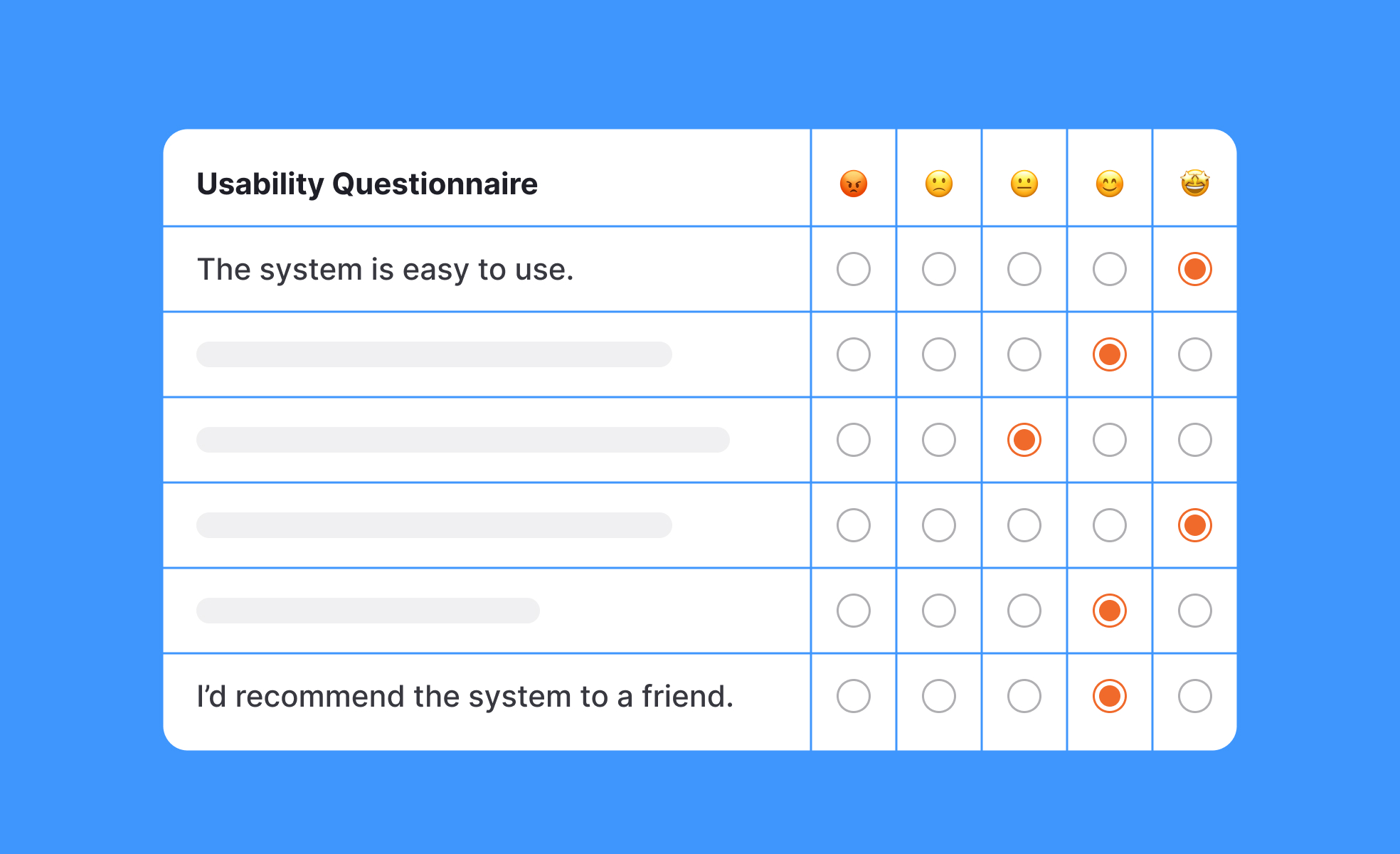
One common question is what types of testing exist. Testing spans unit tests for individual code components, integration tests for systems working together, usability testing with real users, and performance testing under different loads. Each type addresses specific risks, and together they create a holistic evaluation of product quality.
Another frequent query is why testing should happen early. Identifying bugs late in the development cycle is costly. Early testing during design or coding stages prevents issues from spreading. For instance, usability testing on prototypes can highlight confusing flows before engineers invest in full implementation. Early feedback reduces waste and supports smoother development.
Teams often ask about balancing manual and automated testing. Automated testing ensures consistency and speed for repetitive checks, such as regression tests after updates. Manual testing remains essential for exploratory scenarios, nuanced user behaviors, and visual or creative evaluation. Effective strategies combine both approaches.
Collaboration is another theme. Testing is not only for quality assurance specialists; designers, developers, and product managers all contribute.
Designers test workflows for clarity, developers run automated checks, and product managers validate requirements. Shared responsibility ensures quality is embedded throughout the process rather than left to the end.
Finally, testing builds trust. Customers expect reliable, usable products. By investing in structured evaluation, teams demonstrate professionalism and accountability. Testing also creates a feedback loop that improves future iterations, making it a critical driver of continuous improvement.
Learn more about this in the A/B Testing Exercise, taken from the Design Processes & Research Methods Lesson, a part of the UX Design Foundations Course.


