.svg)

Case studies often appear in PM interviews because they show how a person approaches real product problems. Unlike theoretical questions, they reveal how someone frames a challenge, understands users, reasons through uncertainty, and makes strategic decisions that balance impact and constraints. This is why many companies use them to understand how candidates think.
Each case type highlights different aspects of the PM role. Design prompts reflect how PMs consider user needs and define simple, practical solutions. Strategy cases show how PMs make decisions that support business goals. Analysis tasks resemble the daily work of interpreting signals and understanding what might drive a product forward. Estimation cases test the ability to break down unclear problems into logical parts.
Together, these tasks mirror day-to-day responsibilities such as discovery, prioritization, communication, and decision-making. They help interviewers understand not only what answers someone gives, but how they arrive at them.
Understanding why companies use case studies
Case studies help interviewers see how candidates think in situations that feel similar to real product work. They show how someone handles unclear problems, organizes their thoughts, and makes decisions that balance user needs and business goals. These exercises give companies a clearer view of reasoning and judgment than traditional interviews.
They also reveal communication skills. PMs need to explain ideas in a way that different teams can follow. Case studies highlight whether someone can structure a response, support their choices, and adjust when new information appears. This mirrors the daily cross-functional nature of the role.
Case studies further show how well a candidate thinks about users. Some interview frameworks emphasize that PM success depends on understanding real user problems rather than jumping to features. A case prompt exposes whether a person focuses on creating value for users or treats the task as a theoretical puzzle.[1]
Pro Tip! Treat a case prompt as a small version of a real product challenge. Think out loud so the interviewer can follow your logic.
Exploring what “problem framing” reveals about candidates
Problem framing is one of the strongest signals in a case study. Strong candidates begin by clarifying the real goal instead of rushing into features. This step helps identify what matters, what is missing, and which direction the prompt points toward, such as growth, engagement, or another objective.
Framing also shows how someone handles ambiguity. Many prompts offer limited details, so candidates need to interpret the product context and define a meaningful target. This mirrors everyday PM work, where teams must align on the core challenge before exploring options.[2]
A well-framed problem naturally supports better prioritization. Once the goal is clear, it becomes easier to decide which ideas deserve attention and which can be set aside. This reduces noise and leads to more focused reasoning during the case.
Pro Tip! Start by naming the goal and constraints in simple terms. Clear framing sets the direction for everything that follows.
Identify user understanding in case responses
User understanding is a core part of most case studies because PM work depends on recognizing real needs rather than imagining features. Strong responses start by identifying who the users are, what problems they face, and how these problems shape product decisions. Case materials highlight this focus on customer thinking and note that candidates who concentrate on user outcomes tend to give clearer and more grounded solutions.[3]
User understanding also shows how well someone can connect behavior, context, and product opportunities. Many case examples require choosing a target group, naming their pain points, and explaining why those needs matter. This mirrors discovery work in PM roles, where teams look for meaningful insights before considering execution.
In an interview, this skill helps interviewers see if candidates think beyond surface issues. When a person shows awareness of user motivations and constraints, their reasoning becomes easier to trust and easier to follow.
Observe structured thinking in action
Structured thinking helps transform a vague prompt into a manageable process. Many case guides describe how strong candidates break a problem into steps, name assumptions, and choose a logical path forward instead of jumping between ideas. This makes the reasoning easier to follow and shows control over the problem space.
Case interviews use this structure to evaluate how a person might work with cross-functional teams. PMs often need to guide discussions, organize constraints, and help groups focus on the most important elements of a challenge. A structured approach in a case mirrors the same clarity needed in planning, discovery, and execution.
Structured thinking also supports more thoughtful decision-making. When the problem is organized, trade-offs become clearer and it is easier to justify why one option is stronger than another. This reflects everyday PM work, where choices must be grounded in logic and not personal preference.
Understanding how strategy skills appear in case studies
Strategic awareness in case studies becomes visible when candidates show that they understand the broader context around a product. Many prompts involve existing markets, competitors, or product stages. Interviewers watch for hints that the candidate can place the problem in a real environment rather than treating it as an isolated task. This can include noticing whether the product is early or mature or whether competitors influence user expectations.
Another signal appears when candidates show that goals differ at different product stages. Some case materials explain that a young product often focuses on adoption, while a mature product may prioritize engagement or revenue. Recognizing this shift helps interviewers see whether a candidate can adapt their approach based on context instead of applying the same reasoning everywhere.
Strategic awareness also involves understanding what direction makes sense for the product rather than suggesting random improvements. Case examples that ask for product changes or feature ideas reveal how candidates judge what aligns with the product’s purpose and role. This helps interviewers understand whether ideas support the product’s position instead of pulling it away from what users expect.
Seeing how case studies reflect day-to-day PM responsibilities
Case studies mirror much of the real work PMs do. Many tasks in the supplied materials involve clarifying goals, choosing user groups, identifying pain points, prioritizing ideas, and explaining trade-offs. These steps align with core PM responsibilities such as discovery, planning, and cross-functional alignment. Interviewers use case studies because they offer a snapshot of how a person might operate inside a team.
The connection between interview performance and everyday PM work appears clearly in examples where candidates must justify decisions or explain their process. PMs frequently need to communicate reasoning to engineers, designers, and stakeholders. A case prompt recreates this environment in a simplified form, making it easier to see how someone approaches shared problem-solving.
Case studies also show how well a candidate responds when information is incomplete. This reflects daily product work, where solutions must be developed with partial data and evolving constraints. Interviewers can observe whether someone remains focused, flexible, and practical, which are key traits for PM success.
Observing design case studies in detail
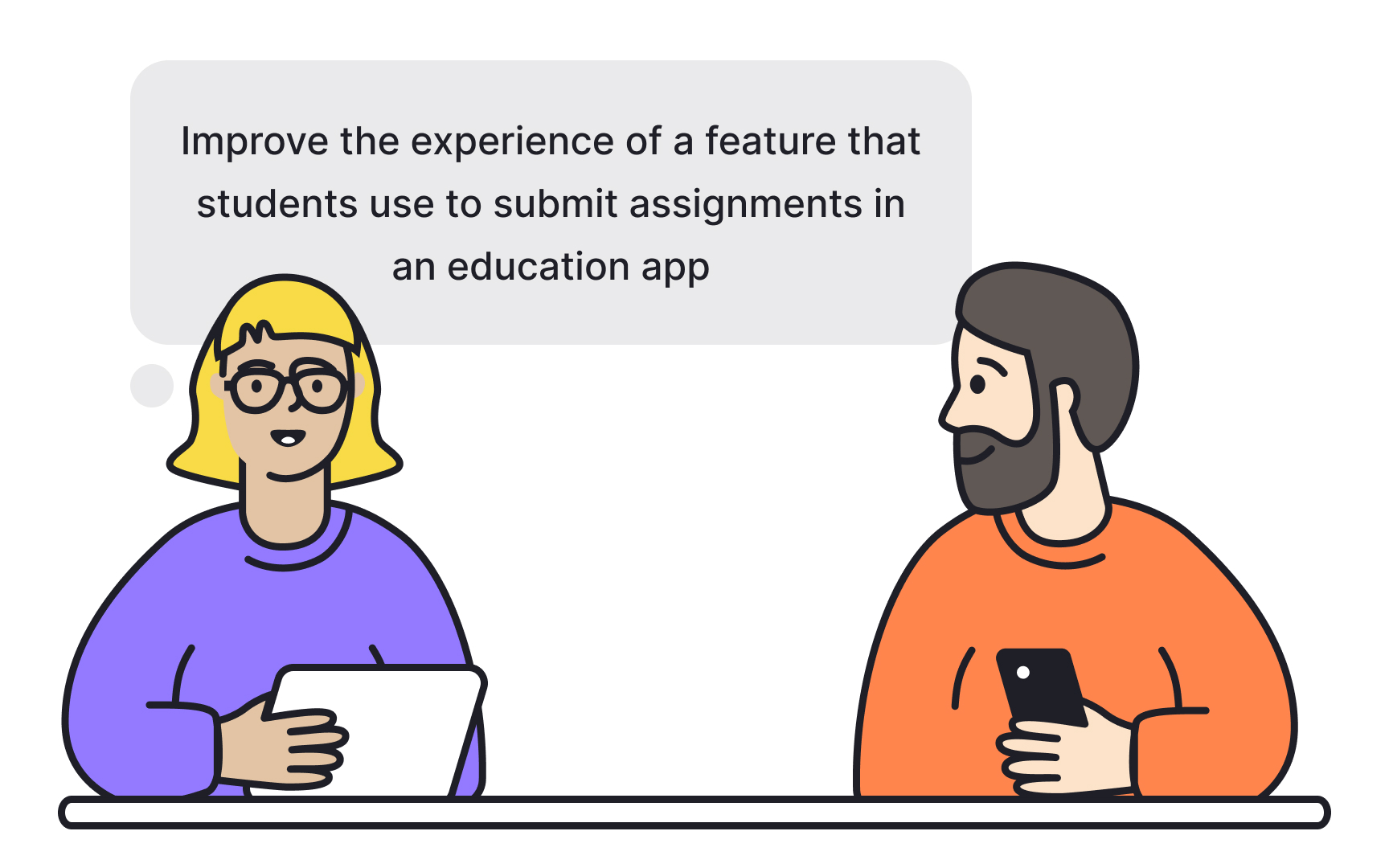
Design case studies focus on how candidates think about users and translate needs into clear product ideas. Many prompts give a familiar product, such as a social app or marketplace, and ask for an improved feature or a new experience. The examples in the materials show tasks where candidates design flows, propose new capabilities, or refine interactions. These prompts reveal whether someone can identify real pain points, simplify complex situations, and choose solutions that fit how people behave.
This type of case also helps interviewers see how candidates prioritize. Even a simple feature idea often contains many possible elements, and the reasoning behind what to include or exclude shows how someone balances value and effort. Clear prioritization signals that the candidate can keep a product usable and focused.[4]
Pro Tip! Link every design choice to a user need. This keeps your solution grounded and prevents unnecessary complexity.
Observing strategy case studies in detail
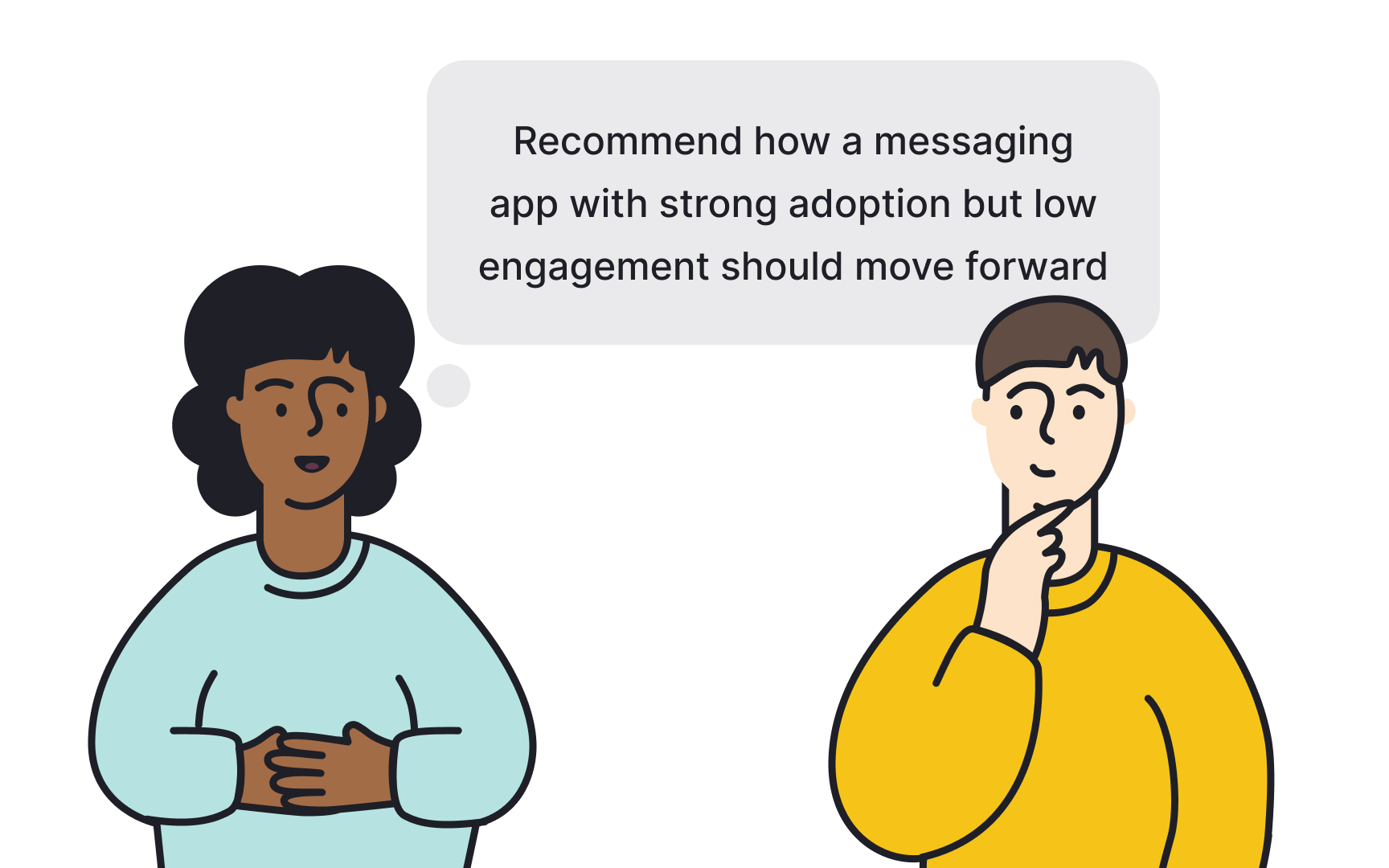
Strategy case studies highlight how a product fits into a broader environment. Some prompts ask about monetization paths, product growth, or new market opportunities. The case competition guide gives an example of choosing goals based on product maturity, showing that different stages require different priorities. For instance, adoption may matter most for early products, while engagement or revenue may matter more for mature ones. Knowing this helps interviewers see whether a candidate can adapt a strategy to the context.
These tasks also show how well someone can filter options. A good strategic response identifies which paths support the product’s direction and which ones do not. Even when several ideas seem possible, the one that aligns with the product’s purpose stands out. Interviewers look for this clarity when judging how candidates handle long-term decisions.
Pro Tip! Before choosing a strategy, name the product’s current goal. Direction becomes easier when the goal is clear.
Observing analysis case studies in detail
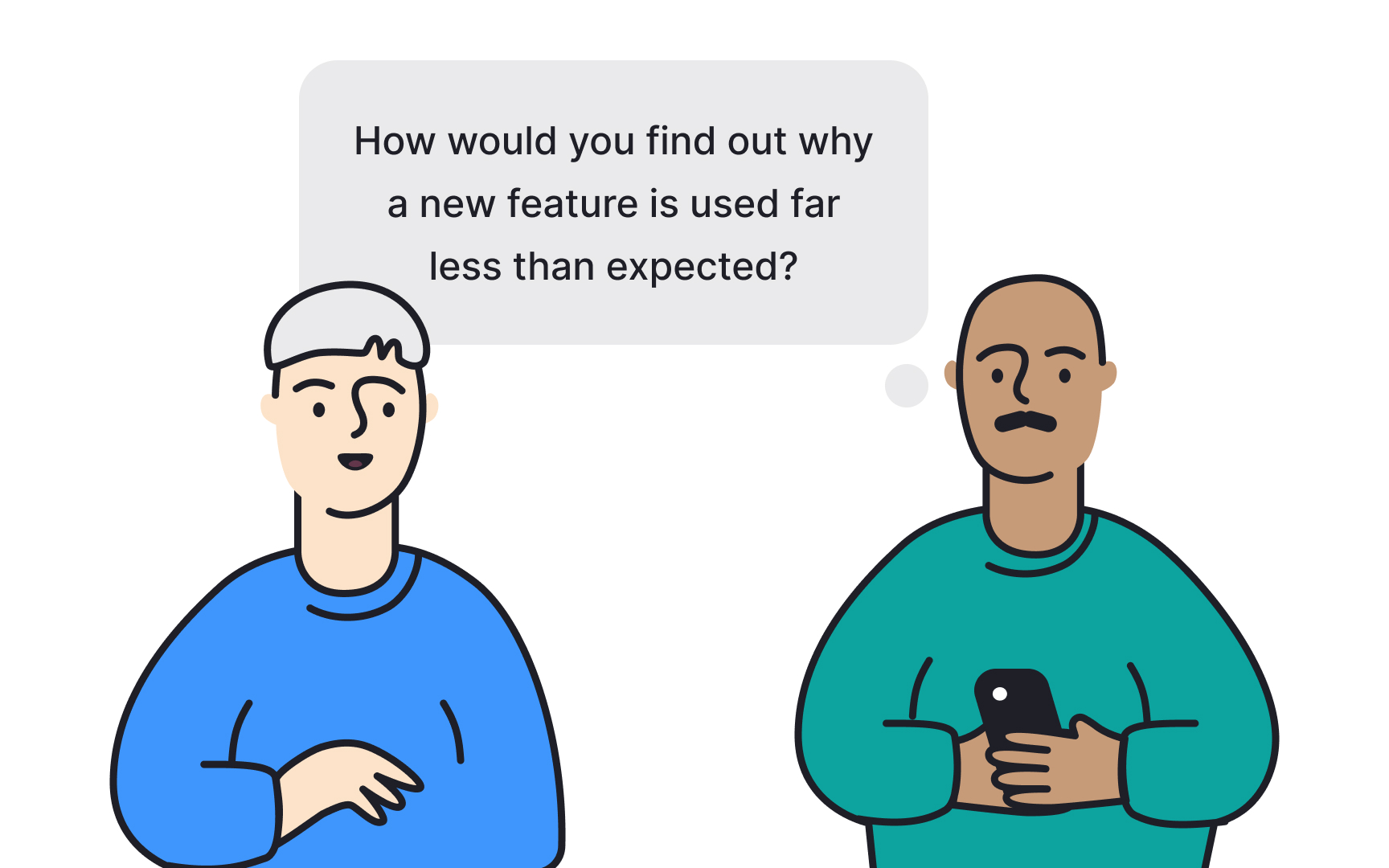
Analysis case studies focus on how candidates interpret product signals. These tasks often involve feature underperformance, low adoption, or unclear patterns in user behavior. Case examples describe situations where a candidate must identify what could be causing the issue and which data points would help validate the explanation. The goal is not to produce a perfect diagnosis but to show a clear and reasonable line of thinking.
Interviewers look for an ability to form grounded hypotheses without relying on guesswork. Strong answers sort through possible causes and highlight which ones seem most likely based on the product context. This mirrors real PM work, where signals rarely come with full clarity and teams rely on thoughtful reasoning to choose the next step.
Pro Tip! Treat every unexplained change as a question. Good analysis begins with a clear hypothesis.
Observing estimation case studies in detail
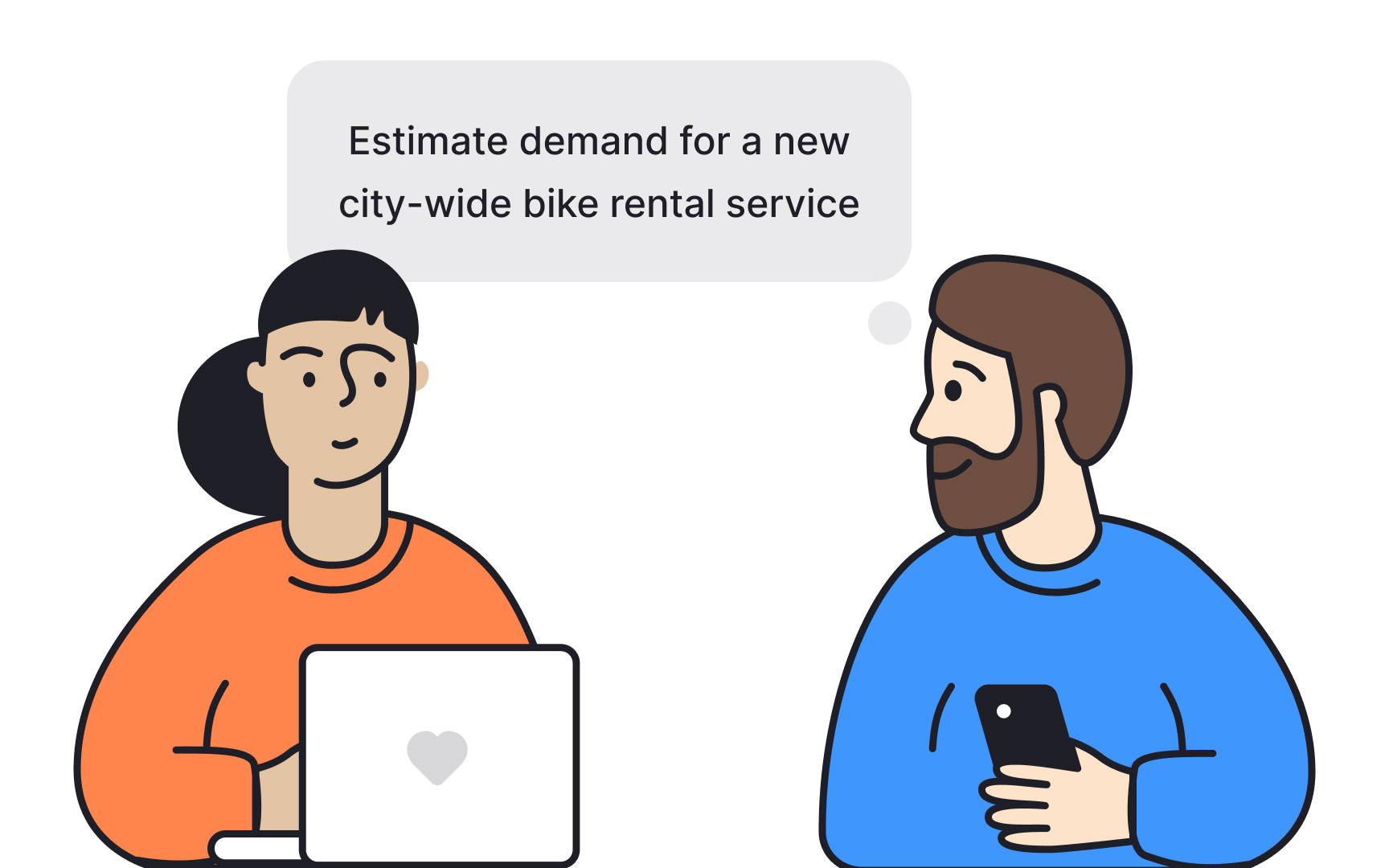
Estimation case studies test how candidates handle vague numerical questions. Tasks may involve estimating users, revenue, or activity levels. The intention is not to check accuracy but to observe how candidates break a broad question into small, logical steps. The materials show that simple and transparent assumptions often lead to the clearest answers.
These exercises also highlight comfort with uncertainty. Candidates must choose assumptions that make sense for the scenario and build a structure around them. Interviewers watch for clarity, consistency, and the ability to justify each step. This skill reflects moments in product work where teams must make early decisions based on limited information.
Pro Tip! Keep assumptions realistic and easy to follow. A clean path matters more than the final number.
Topics
References
- Product Management Case Studies: Real Examples & How to Solve Them | Leland
- Step-By-Step Guide to Product Management Case Competitions
- What Everybody Ought To Know About The Product Manager Case Interview | Andy Jagoe
- Blog: Mastering the 4 Key PM Interview Question Types: Your Ultimate Guide | PM Interview Prep Club | PM Interview Prep Club