


TL;DR
- Portable devices larger than smartphones.
- Touch-first interfaces for media and work.
- Used for reading, browsing, and creativity.
- Balance mobility with larger screen utility.
Definition
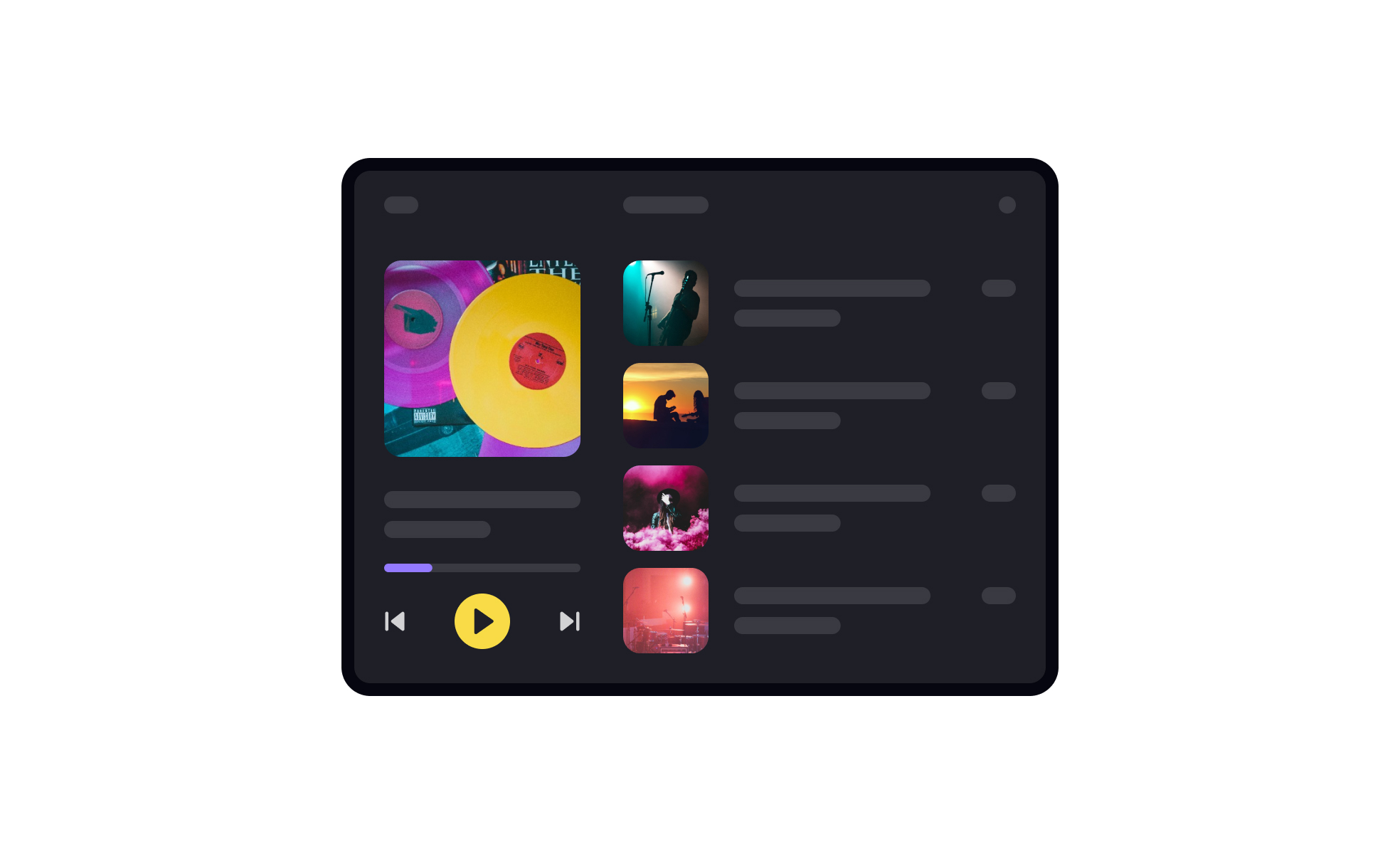
A tablet is a portable computing device with a touchscreen interface, larger than a smartphone but more compact than a laptop, often used for media, productivity, and creative work.
Detailed Overview
Tablets combine the portability of mobile devices with the functionality of larger computing systems. Their form factor makes them versatile for activities like reading, streaming, note-taking, or drawing. With screen sizes typically ranging from 7 to 13 inches, tablets are large enough to support productivity tasks yet light enough for mobile use.
A frequent question is how tablets differ from smartphones. While both rely on touch interfaces and similar operating systems, tablets provide larger displays, making them better for reading long documents, watching video content, or running multitasking workflows. Their bigger screen real estate also improves accessibility and reduces strain during extended use.
Another common query involves productivity. Tablets often come with stylus support, external keyboards, and multitasking features like split-screen. This makes them strong tools for tasks such as sketching, writing, or managing email. Some tablets blur the line with laptops, particularly in professional contexts where mobility is crucial.
Teams also ask about design considerations. Interfaces must scale fluidly between tablet, mobile, and desktop. Applications should adapt layouts to take advantage of larger displays while maintaining the simplicity of touch-first design. Poorly optimized apps that simply stretch mobile interfaces often frustrate users.
Accessibility plays a role as well. Larger screens allow for more readable text and clearer controls, but apps must still consider touch target sizes and intuitive gestures. Tablets are often shared within households or classrooms, so multi-user support and inclusive design are especially valuable.
Finally, tablets are part of broader ecosystems. Devices like iPads, Android tablets, and Windows hybrids integrate with smartphones, wearables, and desktops. Their ability to sync across platforms makes them valuable companions, extending both productivity and leisure experiences.
Learn more about this in the Designing for Tablets Lesson, a part of the Mobile Design Course.


