If you want to become a product designer, you need more than scattered tutorials. You need a structured path that shows you how modern product teams actually work and make decisions. This path gives you 29 units covering the skills that matter, including AI capabilities that are reshaping how designers create and iterate.
This career path is a self-paced program that takes you there across 29 units.
You start with design foundations and UI components. You'll see how thinking like a designer changes the way you approach problems, and why certain interface patterns feel intuitive while others confuse users. The path introduces wireframing and common design patterns early because these are the building blocks you'll use in every project. As you progress, you learn how AI fits into UX and UI design. Not as a replacement for thinking, but as a way to speed up iteration and open up new creative possibilities.
Design thinking and accessibility come next. You learn to create products that work for everyone, not just the majority. The research skills you pick up here teach you how to understand what users need before you start designing. Customer journey mapping and information architecture help you see the bigger picture. How do people move through your product? Where do they get stuck? What are they actually trying to accomplish?
Each course is built by leading industry experts who understand what companies hire for. You'll practice workshop facilitation and service design because product work is collaborative. You can't design in isolation. The modules on UX design psychology and human-centered AI show you why people behave the way they do, and how to design experiences that feel natural instead of forced. There's a focus on reducing churn too. This is something many designers overlook early on, but it matters enormously to product success and business outcomes.
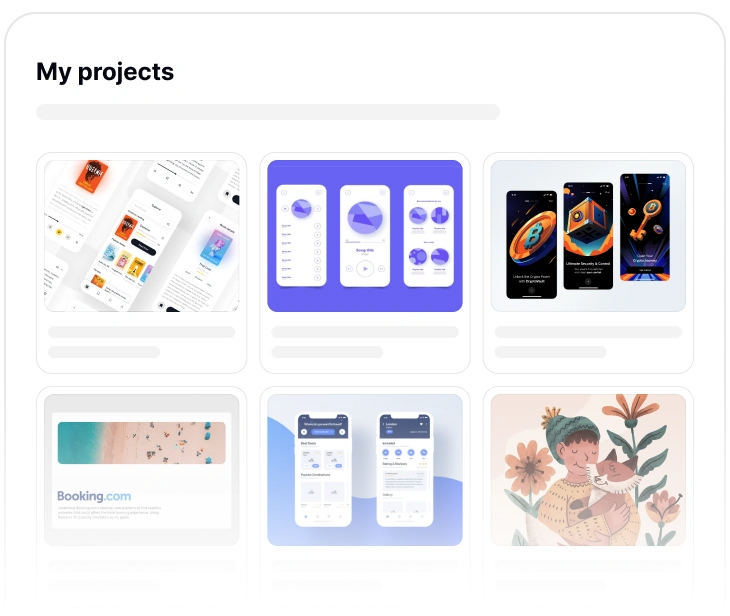
Later sections cover product management for designers, the product development lifecycle, and product analytics. These help you understand how design decisions get made in real teams, and how data informs what gets built next. The project briefs throughout the path mirror actual work situations. You might design a mobile onboarding flow or build a dashboard for the health industry. These aren't simplified exercises. They're the kinds of challenges you'll face in your first role, and they become portfolio pieces that show employers how you think and solve problems.
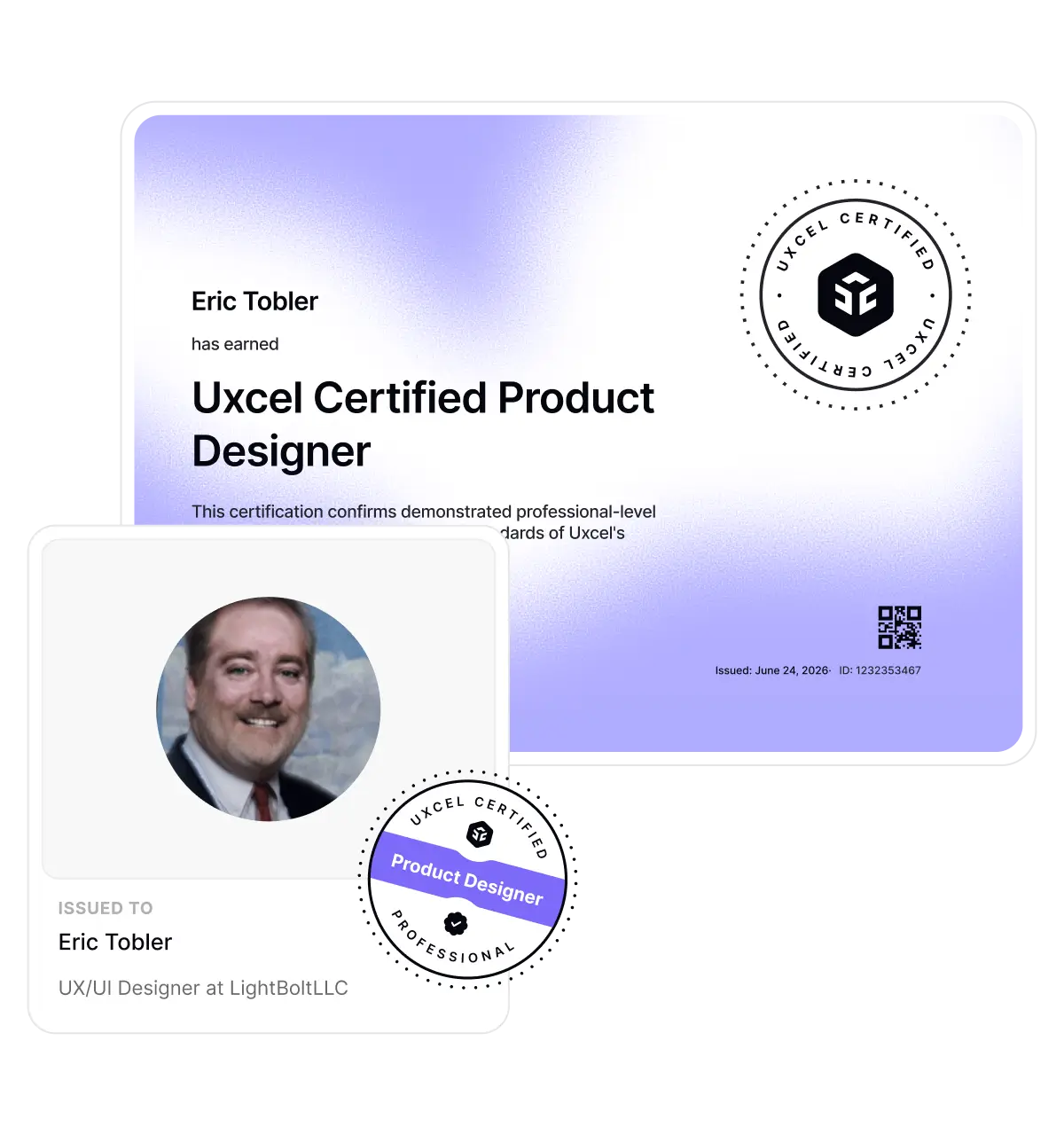
When you finish, you'll have more than completed courses. You'll have a certification that validates your abilities and a portfolio that demonstrates your product design skills in action. Whether you're aiming for a startup or an established company, you'll know how to balance user needs with business goals, work with modern AI workflows, and ship products that actually solve problems. You'll be ready to contribute from day one.


 Listed in public directory
 Exam-based




.avif)




















.svg)
.svg)

.svg)
.svg)