Product teams often struggle with design thinking, not because the framework is flawed, but because most implementations turn performative. Workshops feel productive, everyone nods along, and nothing changes. Teams spend weeks aligning only to end up exactly where they started. If you have experienced this cycle, you are not alone. This course teaches you how to apply design thinking in the messy reality of product work, where constraints show up late, stakeholders have conflicting priorities, and there is never enough time for another prototype iteration.
You will learn empathy research methods that reveal what users genuinely need (not just what they say they want), problem framing techniques that align cross-functional teams around the right challenges, and ideation approaches that generate solutions your engineers can build within real timelines.
The course covers the full design thinking process tailored specifically for product environments. You will explore when to prototype quickly and when to invest in higher fidelity, how to run usability tests that provide actionable insights, and how to secure stakeholder buy-in without endless meetings. You will also learn how to navigate organizational politics, get engineers and executives on board, and maintain momentum when prototypes fail.
Beyond individual techniques, you will understand how to embed design thinking into product workflows without slowing down delivery. The course addresses how to lead design thinking initiatives, facilitate effective sessions, and build a user-centered culture across your team.
Most importantly, you will discover the leadership side of design thinking: how to read organizational dynamics, earn trust from skeptical team members, and build momentum through small wins, leaving you with more than a toolkit. You will have a practical playbook for embedding user-centered thinking into how your team works every day.








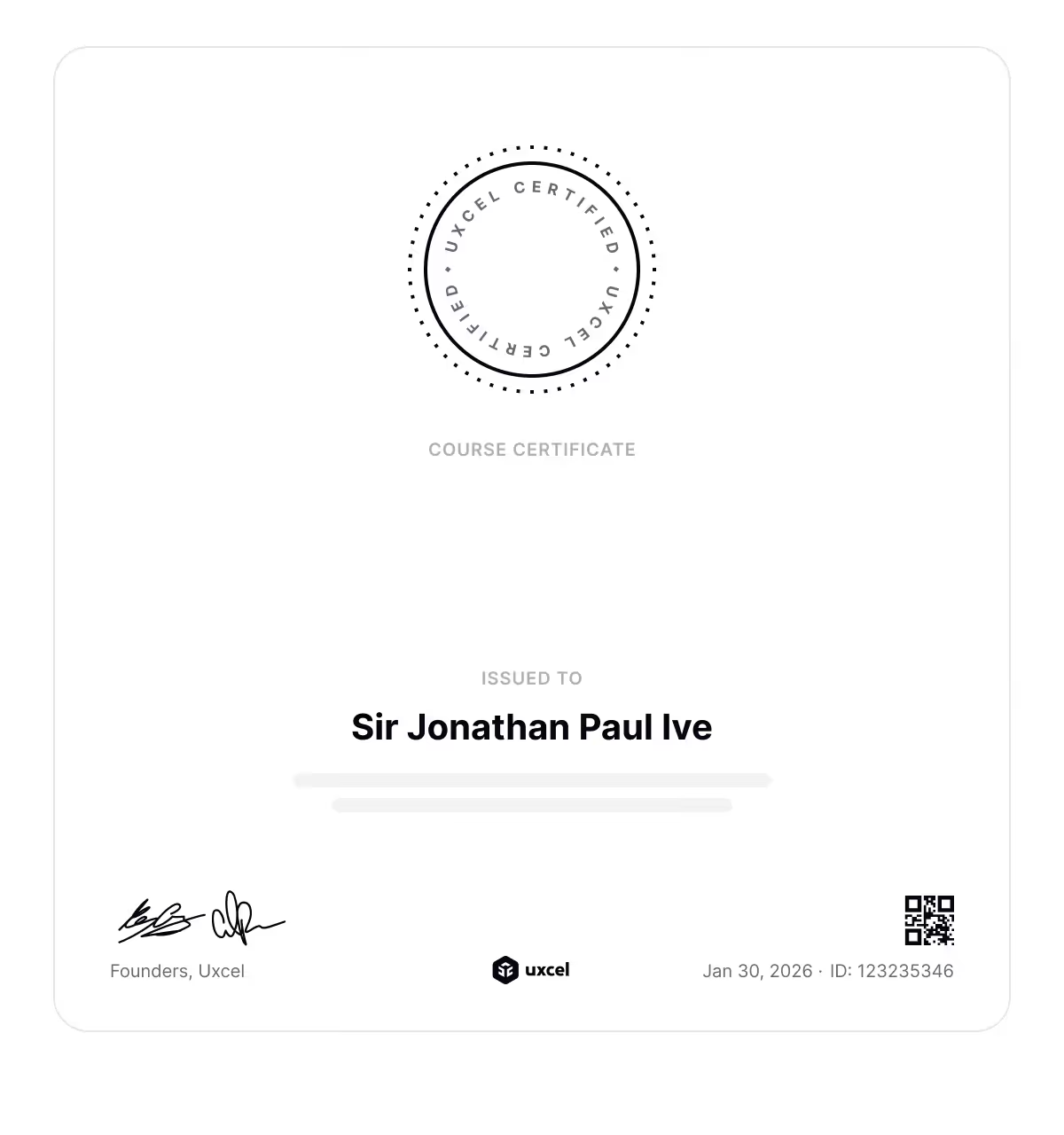
 Showcases studied skills
 Never expires










.svg)
.svg)

.svg)
.svg)