




.svg)


Empathy in design is about developing tolerance, patience, understanding, and kindness toward the people using your product. It's hard to put a number on empathy, but the results speak for themselves. The Design Management Institute found that design-led companies outperformed the S&P Index by 219% over ten years.[1] That's not a coincidence. When you cultivate these qualities, you start to understand what users actually need, not just what they say they want or what you think they should want. This deeper understanding leads to products that work better and connect with people on an emotional level.
The bond between a product and its users gets stronger when empathy drives design decisions. Users feel heard and understood. They stick around longer. They recommend your product to others. And ultimately, that contributes directly to your company's success. It's easy to skip the empathy work and jump straight to solutions. But the companies that take time to truly understand their users are the ones building products people love, not just products people tolerate.
What's empathy?
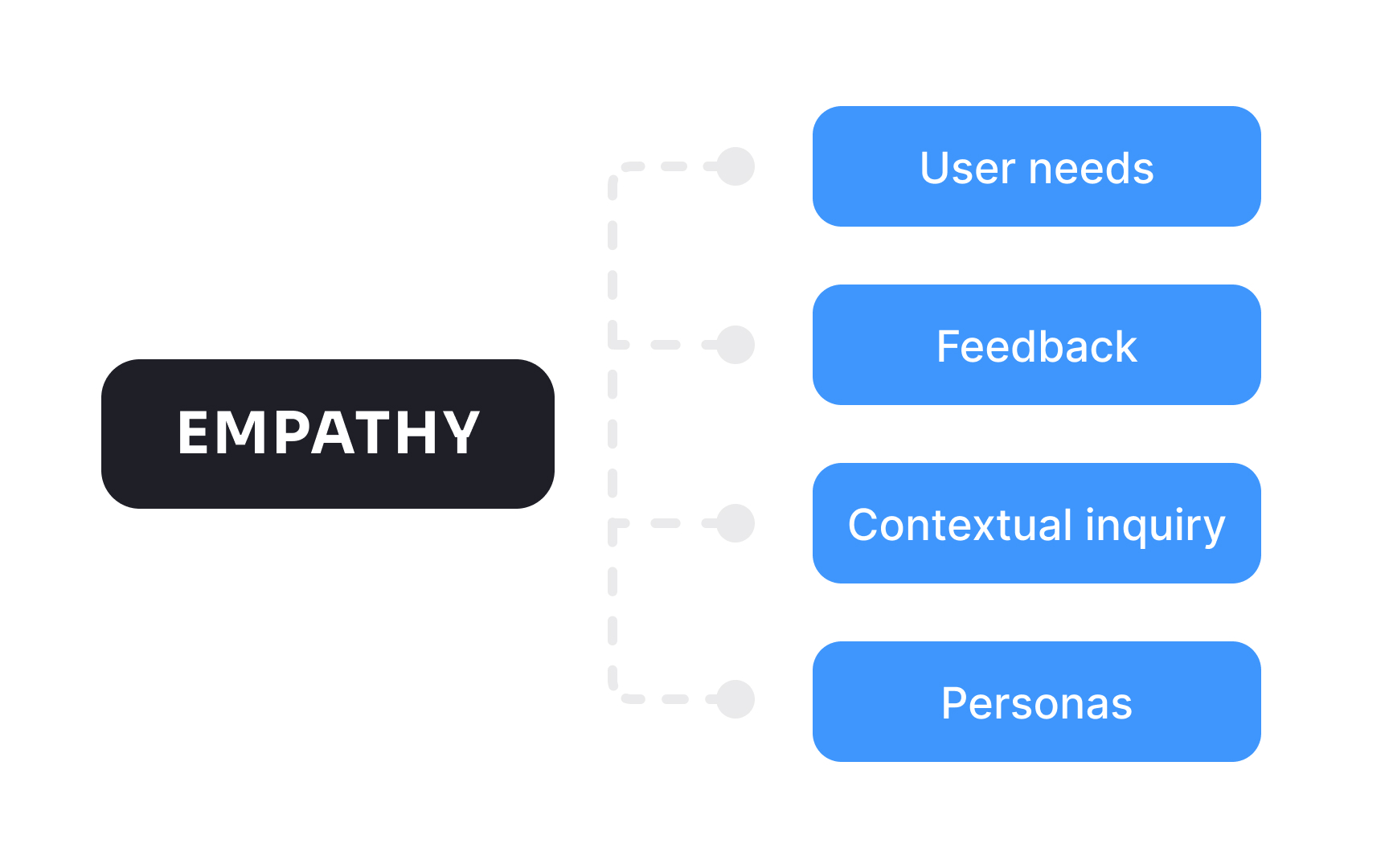
Empathy is the ability to understand and share the feelings of others. It involves seeing the world through their eyes and connecting with their experiences. Although it's impossible to fully feel everything someone else does, trying to understand their perspective is key. This is particularly important in design thinking.
Empathy in design is about more than just recognizing problems. It's about diving deep into understanding people's real challenges and unspoken needs. This requires learning about their lives, their environment, and how they interact with it. By doing this, designers can create solutions that truly address the needs and desires of their users. In essence, empathy in design is about connecting with others on a deeper level to create meaningful and effective designs.
Empathy vs. sympathy

In design thinking, empathy is key for deeply understanding and addressing user needs. Unlike sympathy, which is feeling for someone, empathy involves feeling with them. It allows designers to experience users’ situations from their perspective. For instance, empathy enables a designer to truly grasp how users struggle with an app, leading to more intuitive design solutions.
Sympathy in design might involve acknowledging users’ difficulty with a product but not fully engaging with their experience. It's more surface-level, like recognizing that users find a website hard to navigate.
Empathy is crucial in design thinking because it leads to insights and solutions that deeply resonate with users. Sympathy can highlight issues, but empathy delves into understanding the why and how, leading to more effective and user-centric designs.
Abandon your ego
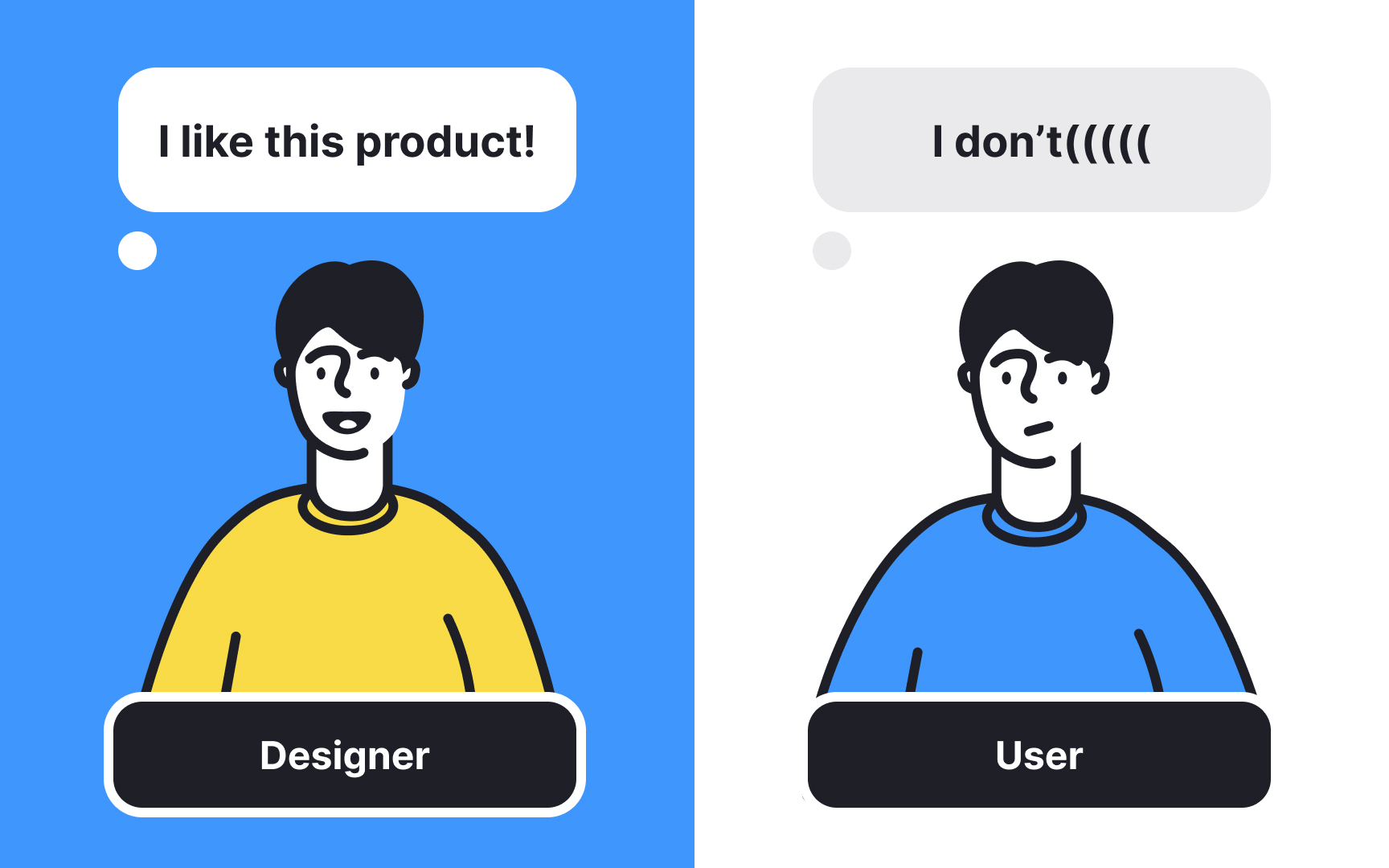
For designers using design thinking, putting aside their personal egos is key. It's about prioritizing user needs over the designer's own ideas. Ego can lead to designs that miss the mark on what users actually need. Staying humble helps designers truly understand and empathize with users.
To help let go of personal attachment to ideas:
- Get varied feedback: Seek perspectives from various individuals. This helps challenge your own views.
- Review past work: Think about times when being too attached to an idea was a roadblock. Learning from this can help you stay more open.
- Be curious and open: Embrace new ideas, even if they're different from your own. This keeps your design process fresh and less about ego.
Learn how to be a good listener
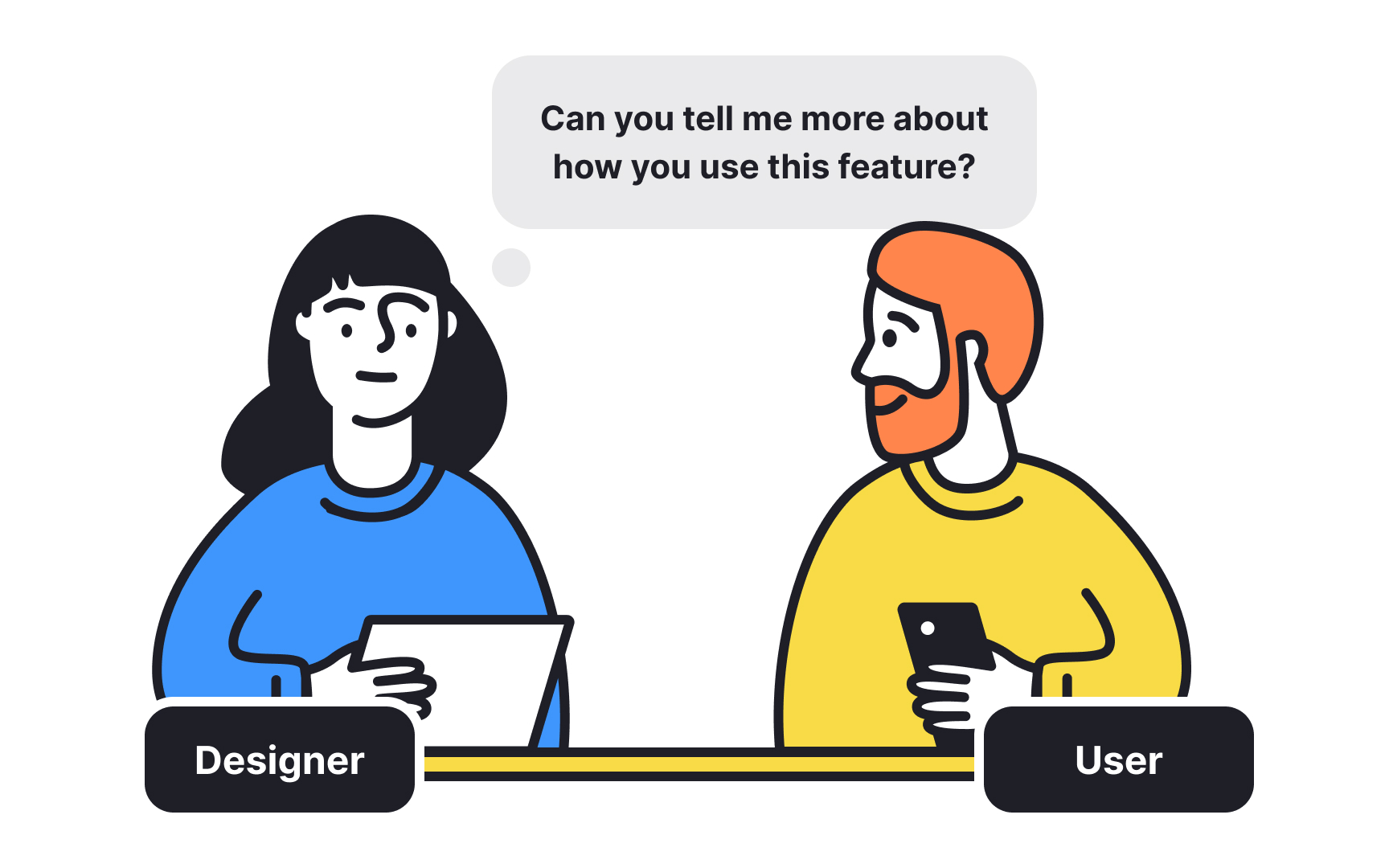

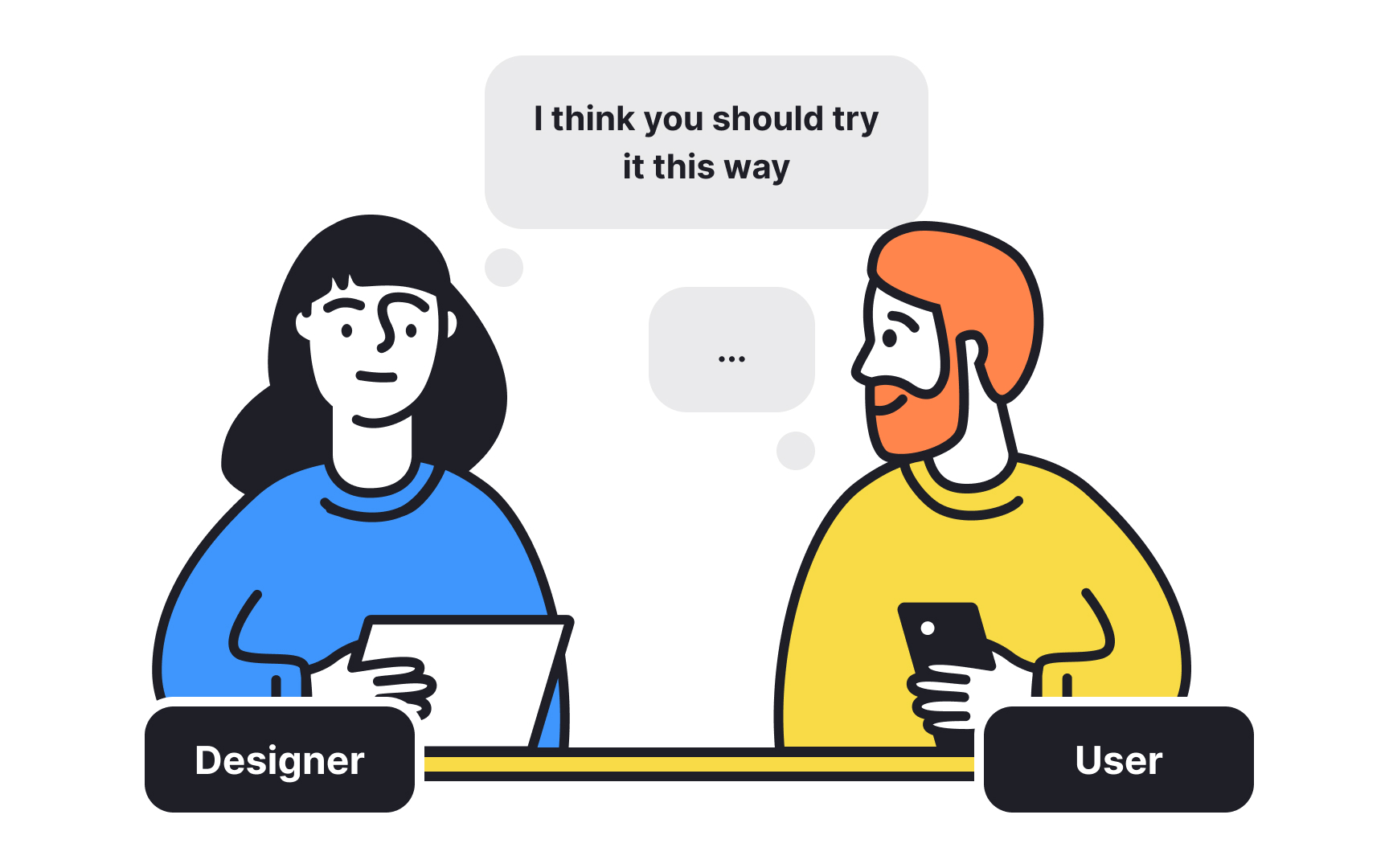

Listening to others without prematurely forming opinions is a critical skill for designers, especially in design thinking. This approach ensures that designers fully understand users’ perspectives, which is essential for creating solutions that genuinely meet their needs.
To develop this skill, designers should practice:
- Active listening: Focus intently on what users are saying, without planning your response while they're speaking.
- Ask open-ended questions: Ask questions that encourage detailed responses. This helps in gathering comprehensive information and avoids assumptions.
- Delay judgment: Reserve forming opinions or solutions until you've thoroughly processed all the information. This prevents bias and ensures a user-centric approach.
- Conduct reflective feedback: Paraphrase or summarize what you've heard to ensure clarity and show users that their input is valued and understood.
Hone your observation skills


Improving observation skills is crucial for designers. Effective observation goes beyond just listening to what users say; it involves keenly watching how they interact with products and their surroundings.
To enhance observation skills, designers should:
- Observe in context: Watch users interact with products in their natural environment. This can reveal how they truly use and experience the product.
- Notice non-verbal cues: Pay attention to body language, facial expressions, and gestures. These often communicate more than words.
- Look for patterns: Identify recurring behaviors or actions among different users. This can uncover common user issues or needs.
- Document observations: Take notes or record observations to analyze later. This helps in capturing details that might be missed at the moment.
Care about your users


Developing genuine concern and a desire to assist users is a cornerstone of empathy in design. This involves cultivating a deep interest in understanding users' needs and experiences. When designers genuinely care about their users, they're more driven to create solutions that truly make a difference.
One way to develop this empathy is through user research. Engaging directly with users, conducting interviews, and observing them in their natural environment can build a deeper understanding of their challenges and aspirations. This engagement helps designers to see the world from the users' perspectives, fostering a genuine concern for their well-being.
Additionally, reflecting on user feedback and stories can cultivate emotional insight, helping designers connect with users on a human level. It’s not just about identifying problems but feeling motivated to solve them out of a sincere desire to improve users' lives.
Be curious about your users

For designers, developing empathy goes beyond traditional research; it involves a genuine curiosity about users' lives to uncover new insights and understand their motivations. By exploring all aspects of a user's experience, designers can gain a deeper understanding of what truly drives and affects them.
To cultivate this curiosity, designers can:
- Observe beyond the obvious: Pay attention to subtle details in users' environments and behaviors. Small nuances can lead to significant insights.
- Explore different channels: Utilize social media, forums, and other platforms where users express themselves. These spaces can offer unfiltered insights into users' thoughts and preferences.
- Participate in user activities: Immersing in activities that users engage in can provide firsthand experience of their challenges and joys.
- Reflect and synthesize: Regularly reflect on observations and discussions to connect dots that aren't immediately apparent.
Be patient and kind to your audience


Developing empathy in design means approaching users with a sincere intent to understand their experiences, setting aside any arrogance or an "I-know-everything" mindset. This empathetic approach becomes crucial when interacting with diverse user groups, such as older individuals, users with disabilities, different cultural contexts, or varied technological expertise.
For effective communication with these varied groups, designers should:
- Adopt a humble attitude: Enter every interaction with an openness to learn, regardless of your own expertise.
- Be patient and open: Allow users ample time to express themselves, avoiding interruptions. This is particularly vital with groups like older adults who may articulate thoughts at a different pace.
- Avoid assumptions: Eschew presumptions about what users want or need, opting instead for open-ended questions and active listening.
- Reflective listening: Demonstrate genuine interest in users' perspectives through paraphrasing their responses and asking relevant follow-up questions.
Pay attention to body language
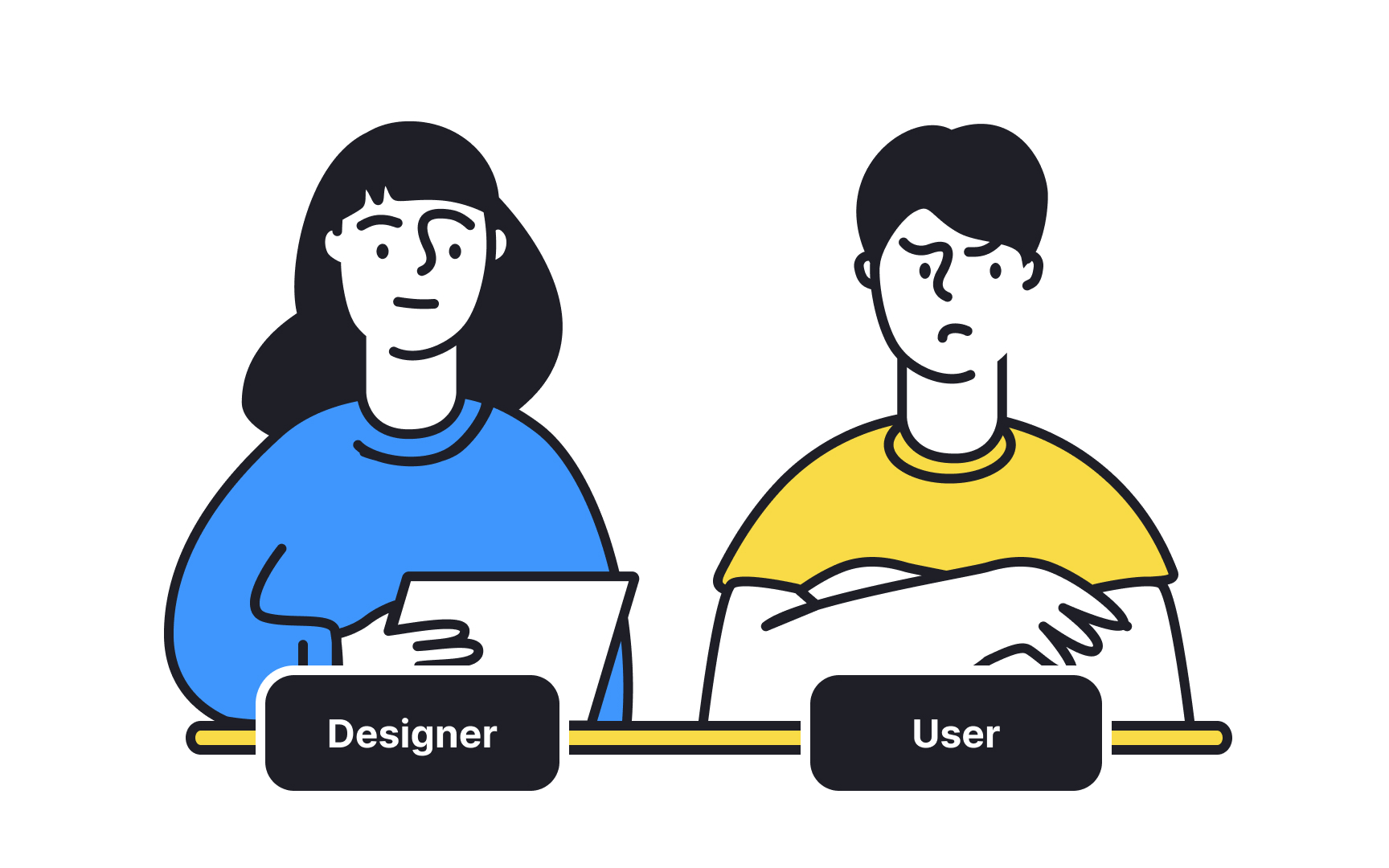
Learning to interpret users' body language is key for designers to develop empathy, ensuring deeper connection and engagement.
Key body language cues include:
- Frowning or confusion: Indicates misunderstanding. Designers should gently ask for clarification or provide more information.
- Crossed arms, leaning back: Suggests discomfort or skepticism. Here, designers might create a more open dialogue or change the approach to ease the user.
- Nodding, leaning forward: Shows interest. Designers should delve deeper into this aspect, encouraging the user to share more.
- Avoiding eye contact: Could signal discomfort. Designers can respond by creating a reassuring atmosphere, simplifying questions to make the user more comfortable.
These cues, when accurately interpreted and empathetically responded to, forge a stronger bond between designers and users and lead to richer, more insightful interactions.