.svg)


Bringing design thinking into a team takes time and patience. It's not something you can flip on like a switch or roll out in a single training session. More companies are recognizing its value, but the real challenge isn't understanding why it matters. It's figuring out how to make it work in your specific environment with your specific team. Moreover, design thinking isn't just about learning new tools or adding new processes to your workflow. It's a shift in how your team thinks about problems and works together. That kind of change doesn't happen overnight. You can't send everyone to a workshop on Friday and expect them to think differently on Monday. Your team needs time to understand the principles and, more importantly, figure out how to use them in their actual day-to-day work.
Think of it as building a new habit rather than implementing a one-time change. Some people will pick it up quickly. Others will need more time to see the value. The key is creating space for that learning to happen without forcing it or expecting perfection from the start. Small wins build momentum, and over time, design thinking becomes part of how your team naturally approaches work.
Introduce design thinking step by step

Introducing design thinking to your team is a gradual process, not an overnight change. It's about nurturing a mindset, not just adopting a method. Break the process into steps:
- Educate. Start by educating your team on the 5 phases of design thinking, emphasizing the importance of each step.
- Practice. Initiate small-scale experiments that focus on data collection, rapid testing, and quick iteration. These activities help in skill development and foster a design-centric approach. Consider setting aside regular sessions for these practices, integrating them into your team's routine. Begin with a specific project or a smaller business area, and gradually expand as your team grows more adept.
Remember, embedding design thinking into your company’s culture takes time and consistent effort. It’s about building a foundation and then expanding, ensuring that your team not only understands the concept but also effectively applies it in everyday tasks.
Introduce the idea of non-linear process
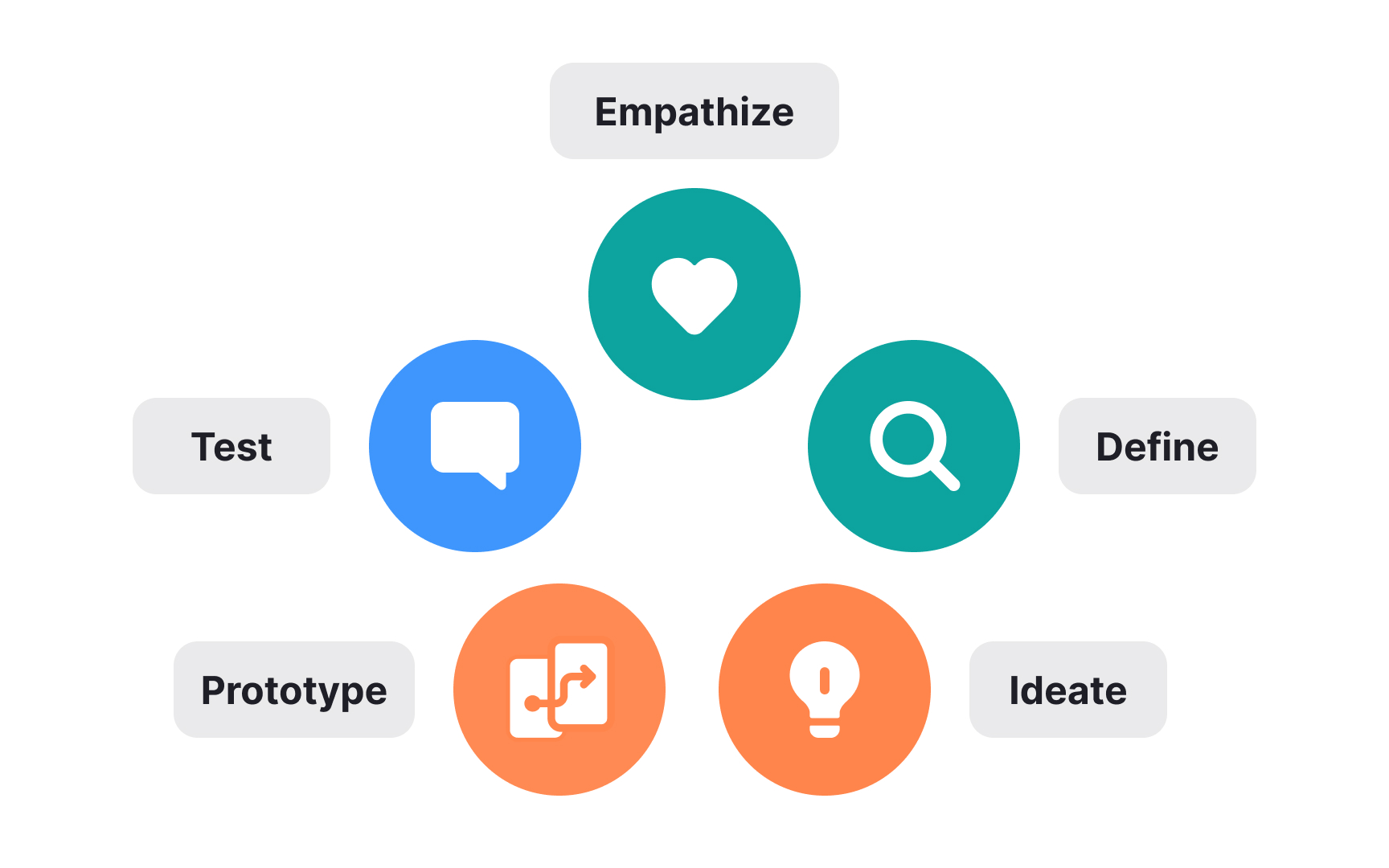
Design thinking is a flexible, non-linear process. Unlike traditional methods, the five phases of design thinking – empathy, definition, ideation, prototyping, and testing – don't need to follow a set sequence. They can happen simultaneously or in any order that suits your project.
In the early stages, avoid applying the entire process from start to finish for every problem. Instead, adapt the approach to fit your specific challenge. You might find that starting with testing sparks new ideas, or that jumping into ideation before fully defining the problem works best.
The key is to use design thinking in a way that's most effective for your situation. This flexible approach encourages creativity and innovation, allowing your team to explore solutions from different angles and at various stages.[1]
Include people from across departments




Design thinking flourishes with a multidisciplinary approach. It's most effective when it involves diverse perspectives from across your organization. Whether you're running a workshop or initiating a project, ensure your teams are composed of members from various departments like marketing, engineering, customer service, and any other relevant department.
This diversity is not just about gathering different opinions; it’s about harnessing these unique insights for better problem-solving. Each participant brings their own expertise and understanding, leading to more well-rounded and creative solutions. By creating these cross-functional teams, you tap into a wider range of ideas and approaches, which is essential for the success of design thinking. In this collaborative environment, the collective knowledge and varied viewpoints become your key strengths.
Foster team collaboration
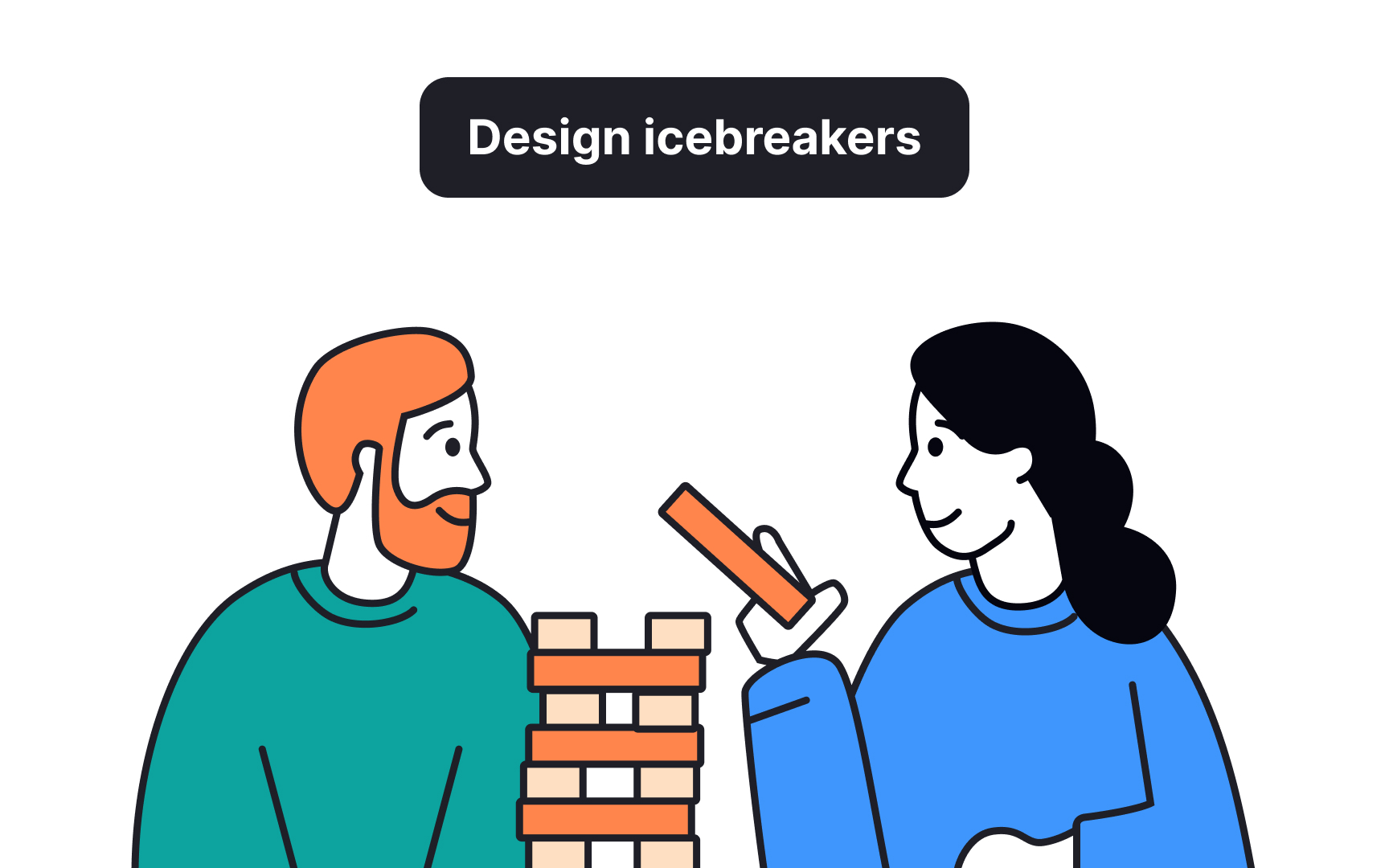
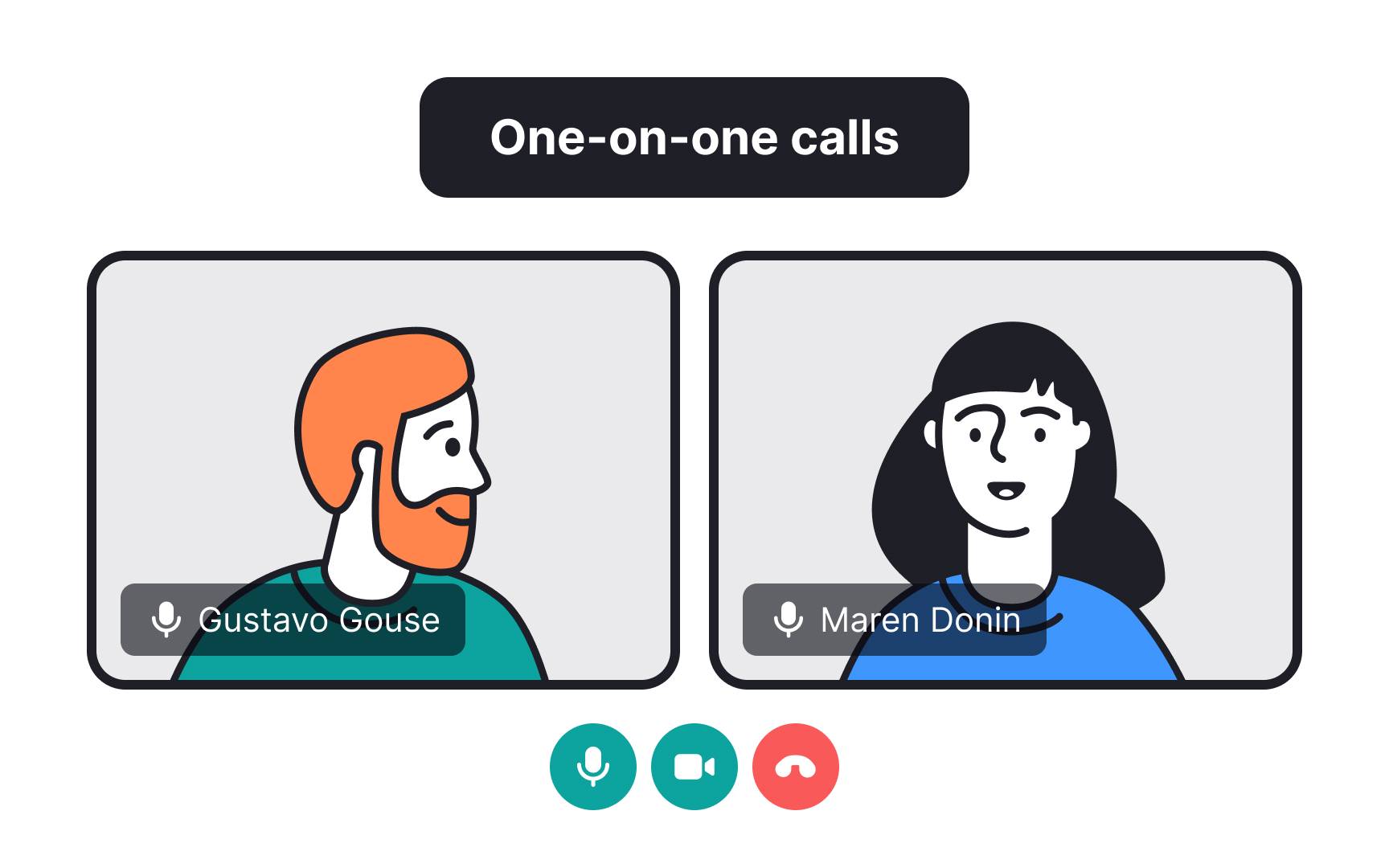
Incorporating design thinking in your team requires more than just understanding the concepts; it’s about fostering a collaborative spirit. Key to this is using icebreakers, especially with new teams or on new projects. These activities aren’t mere fun; they're essential for breaking down barriers and establishing a foundation for open communication and creativity.
To enhance collaboration, consider these strategies:
- Tailored icebreakers: Design icebreakers that align with your team's specific needs. For new teams, focus on activities that build trust and connections. For new projects, use icebreakers that encourage creative thinking and problem-solving.
- Regular check-ins: Implement frequent check-ins to ensure everyone feels heard and to maintain alignment on goals.
- Transparent communication: Promote an environment where feedback is welcomed and constructive.
Define the metrics of success
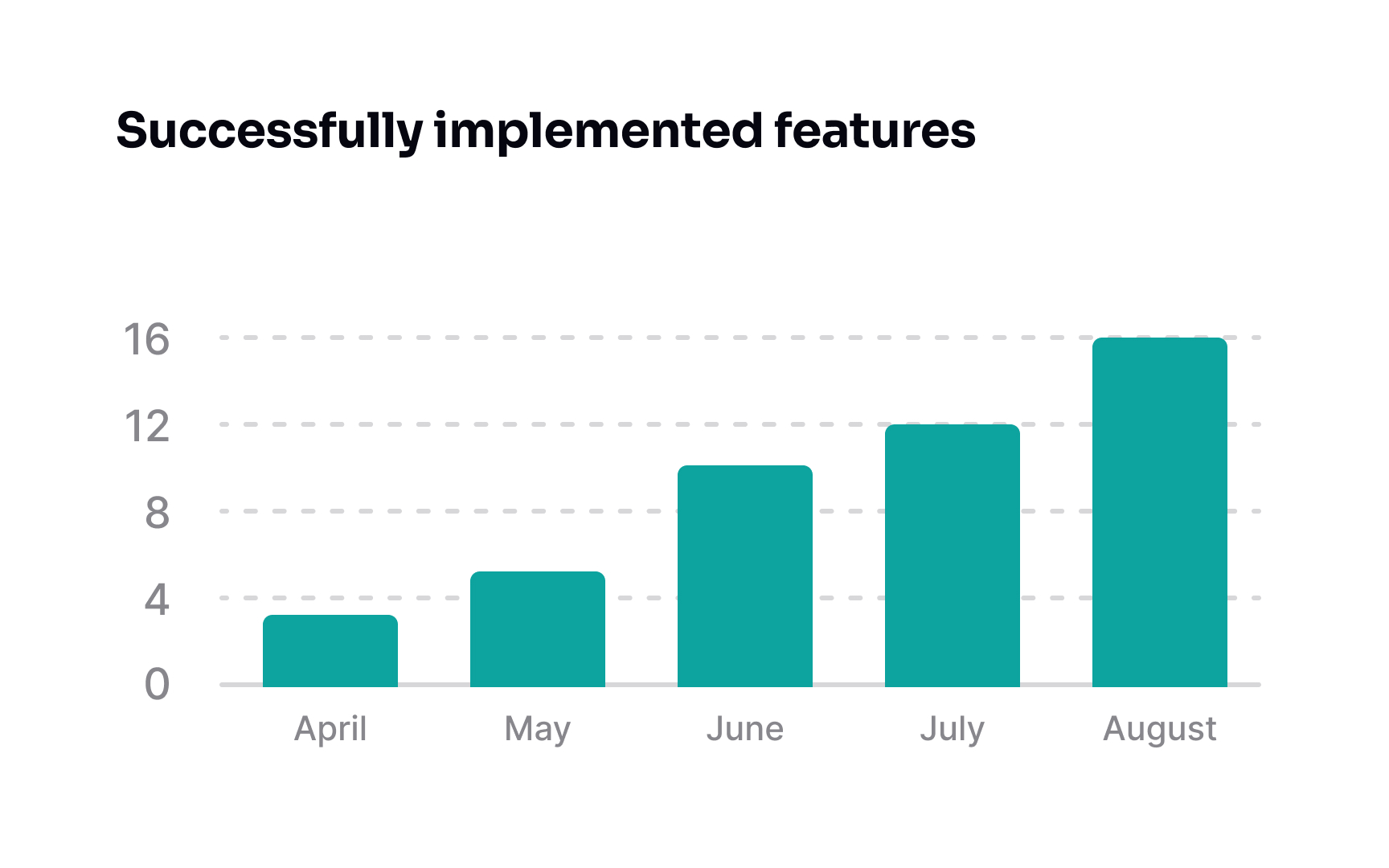
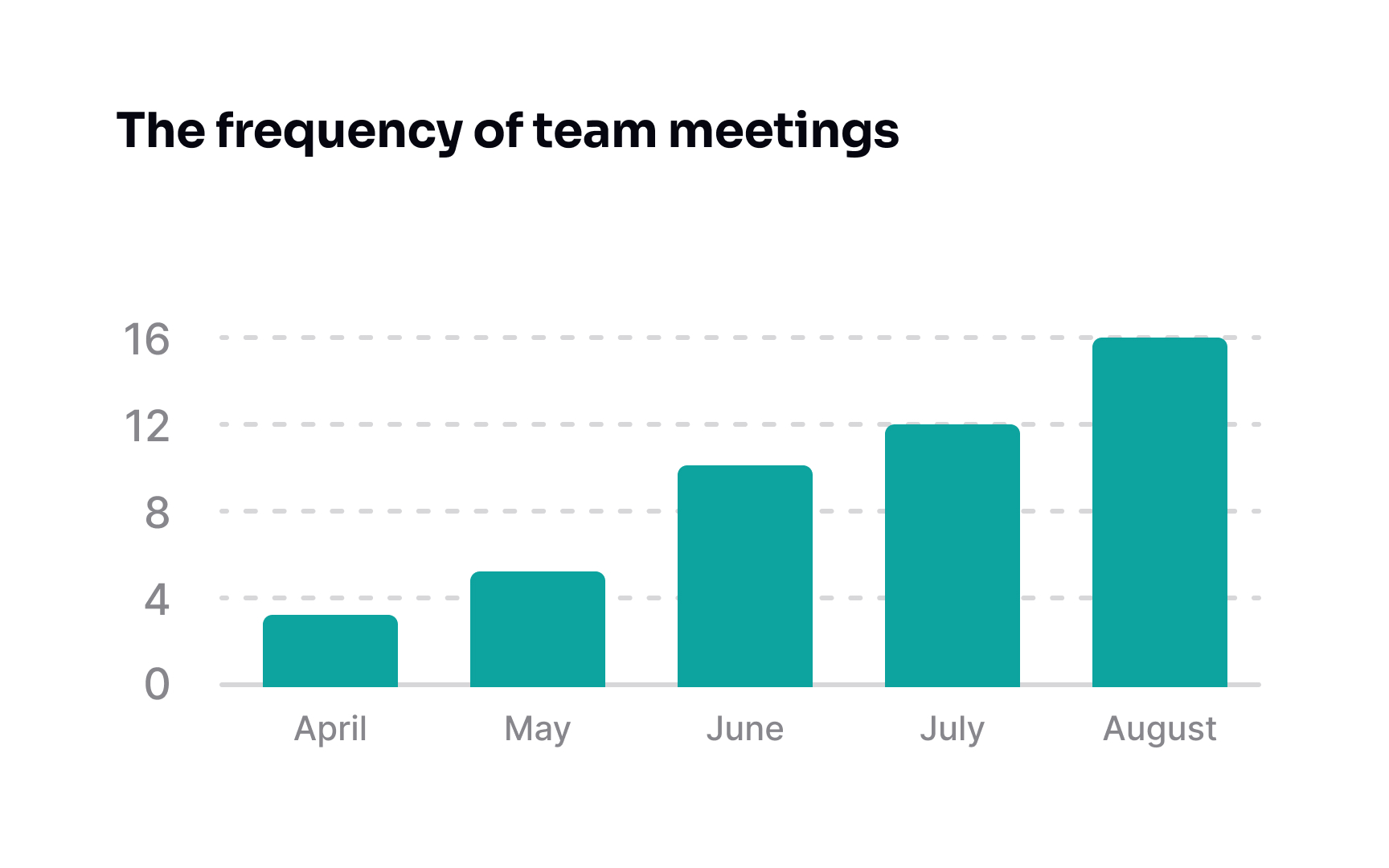
When introducing design thinking to your team, defining how you'll measure its success is crucial. This often-overlooked step is essential for tracking progress and demonstrating the value of your efforts. Establish clear metrics in advance to evaluate the impact of design thinking on your projects and team dynamics.
- Tracking the number of projects that successfully integrate design thinking principles. This quantitative measure provides a clear view of the approach's adoption rate.
- Assessing the qualitative impact on your team is also vital. Conduct surveys to gauge employee satisfaction and understand the effects of design thinking on their work and creativity.
Setting these benchmarks helps not only in monitoring progress but also in refining your approach. Regularly review these metrics to adjust strategies and continuously improve the integration of design thinking within your team.
Inspire creativity among team members

Introducing design thinking to your team goes beyond just processes; it's also about igniting creativity. To foster this, engage them in activities like:
- Co-creating a story: This involves the team collaboratively building a narrative, with each member contributing one part at a time. It encourages imaginative thinking and collective creativity, as each member infuses their unique perspective into the evolving story.
- Visual telephone: In this game, a picture is drawn based on a written description. Then, the next person writes a description of that picture, and the process continues. This activity sparks creativity and demonstrates the evolution of ideas and varying interpretations, underscoring the importance of clear communication.
These exercises do more than offer fun; they relax the team and promote a free flow of ideas, essential for fostering a creative and collaborative environment.
Utilize tangible outcomes
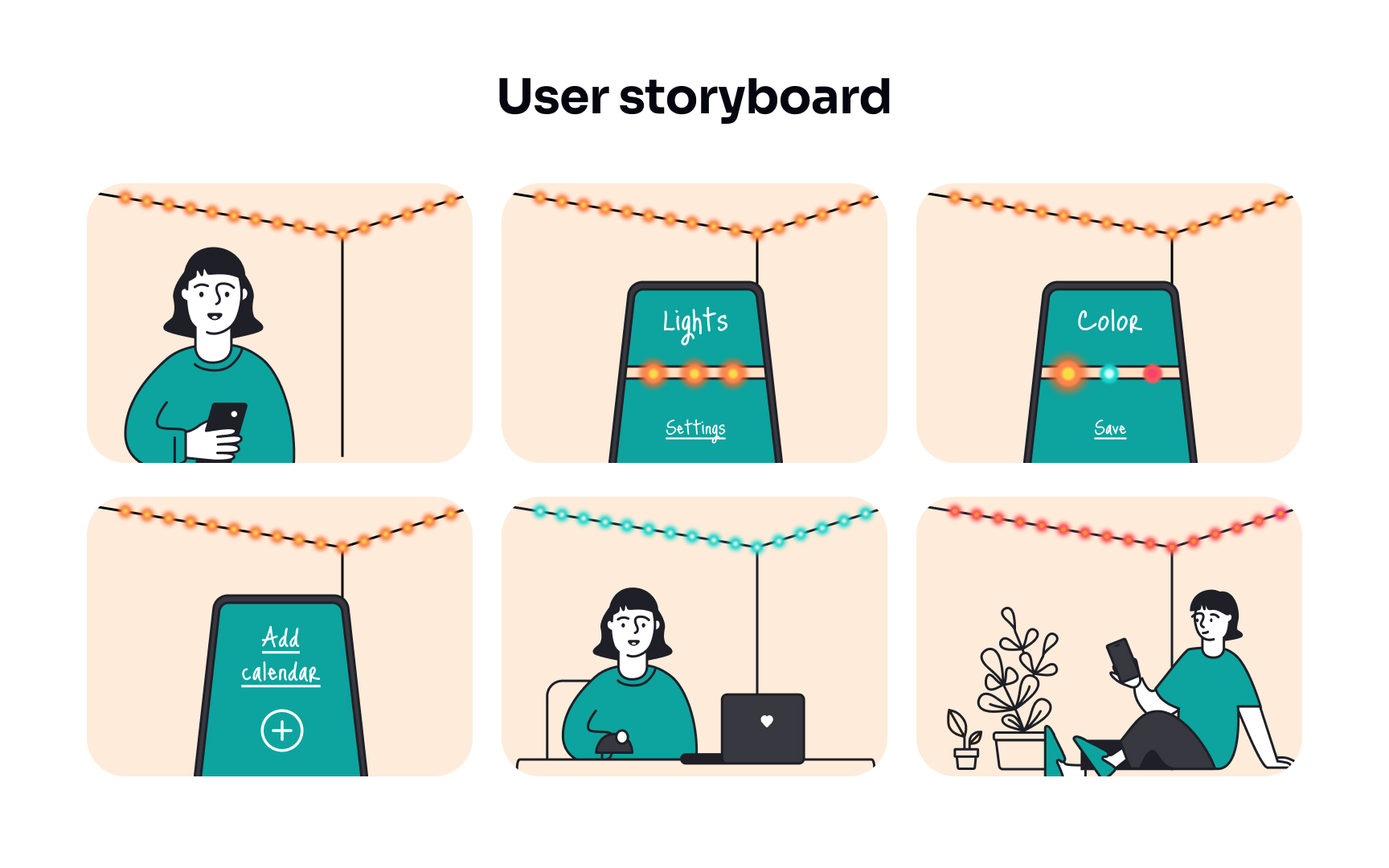
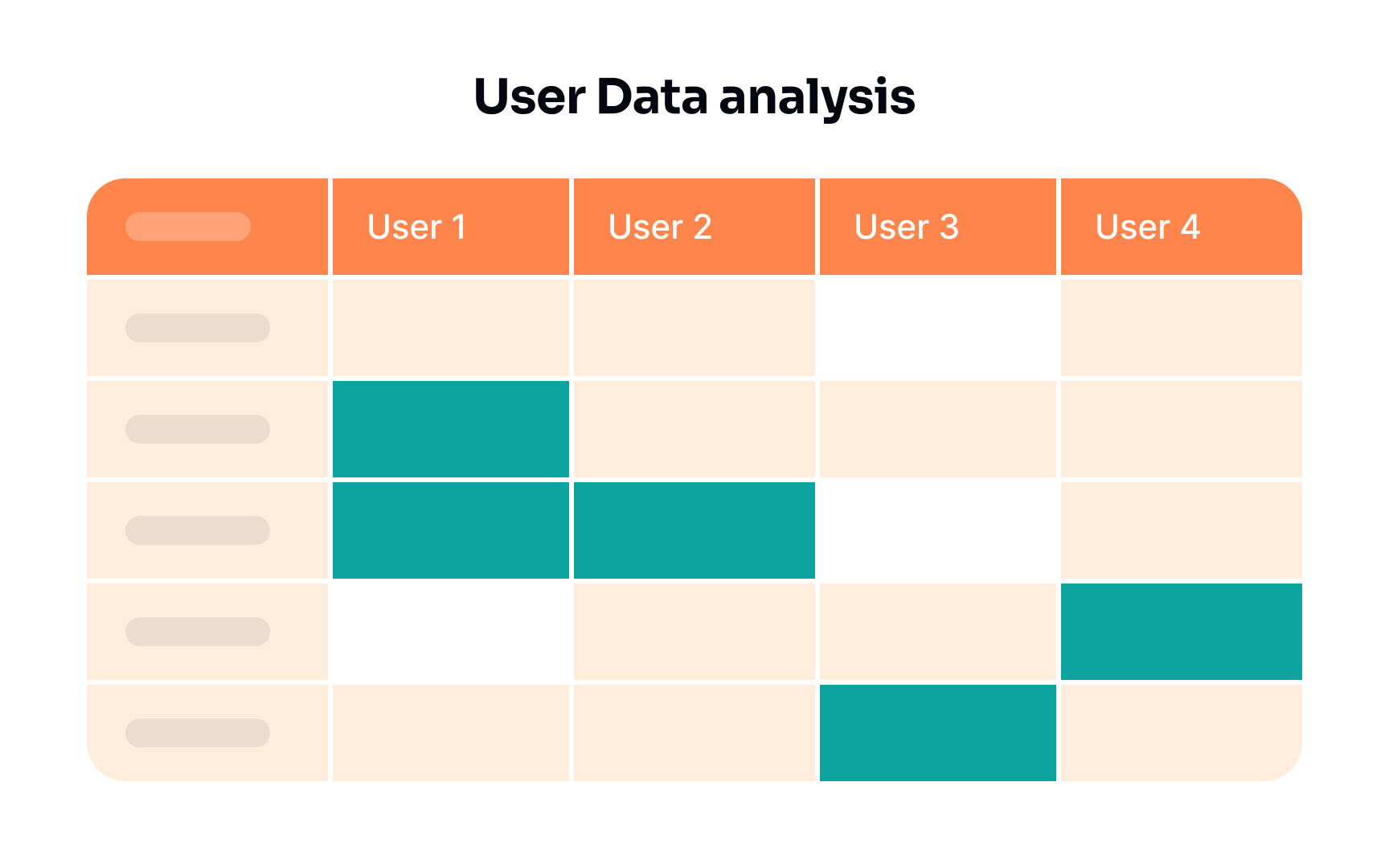
In design thinking, producing tangible artifacts like empathy maps, journey maps, storyboards, and wireframes plays a key role. Here's why:
- Visualization: Artifacts turn complex ideas into visual forms, making them easier to understand and reducing misinterpretations. This is particularly helpful for abstract concepts.
- Shared reference: These physical creations become a 'dictionary' for the team's language. They help in ensuring everyone is in sync, guaranteeing consistency in understanding and approach.
- Team cohesion: Creating and referring to these artifacts unites the team. Each created piece is a shared victory, reinforcing the team's collective strength and commitment.[2]
Tangible artifacts in design thinking are catalysts for clarity, unity, and effective collaboration.
Establish a shared vocabulary
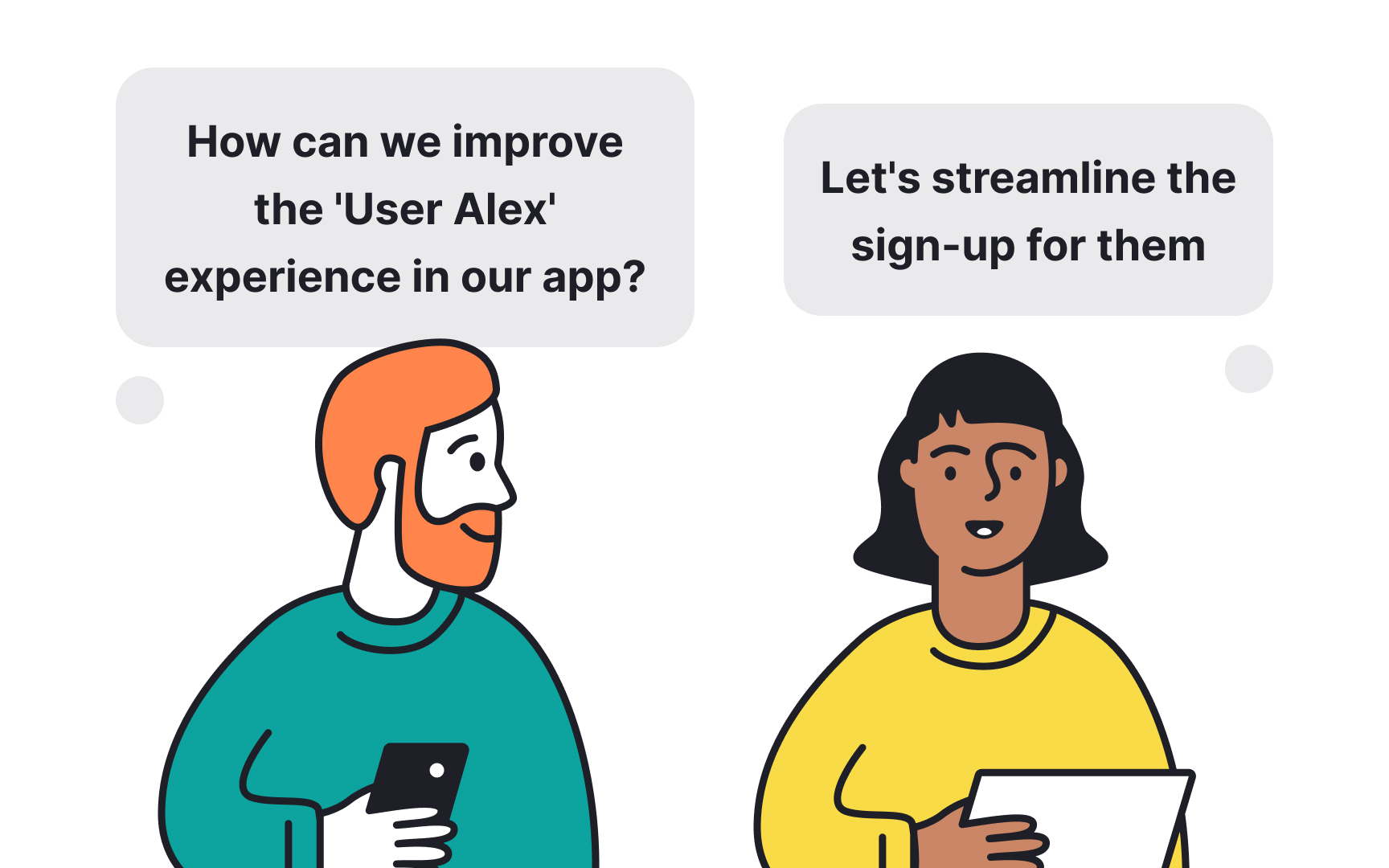
Establishing a shared language is essential when introducing design thinking to a team. Diverse backgrounds often lead to different interpretations of the same concepts, which can create communication challenges. For example, a developer and a marketer might use different terminologies, leading to confusion and inefficiency.
Design thinking tackles this by involving all team members in collaborative exercises from the outset. This approach helps the team to develop a common vocabulary, essential for effective communication. As the team works through design thinking phases together, they begin to speak the same language, both figuratively and literally.
For instance, during ideation, a concept like "Alex's journey" might emerge, symbolizing a customer's experience with a product. Over time, "Alex's journey" becomes a shared term that encapsulates specific customer challenges and needs.
References
- How to introduce design thinking into your organization
- Design Thinking Builds Strong Teams | Nielsen Norman Group