



.svg)


You can't mandate design thinking into existence. Companies try all the time with big kickoff meetings, detailed process docs, and mandatory training sessions. Everyone nods along, says the right things, then goes back to their desk and keeps working exactly like before. When deadlines hit, all that design thinking talk evaporates and teams ship whatever gets them through the sprint. The new framework becomes something people mention in retrospectives but never actually follow because mandated change creates compliance, not real transformation.
Leading design thinking means dealing with people that resist any change to how work gets done. People genuinely believe in user-centered design until it conflicts with their quarterly goals or requires them to admit their assumptions were wrong. Cultural transformation can only happen through persistent demonstration of value, not through documentation or announcements, but getting there requires navigating politics, building credibility through small wins, and accepting that most people will resist until they see concrete proof that this approach solves problems they actually care about.
Who is a designer leader?


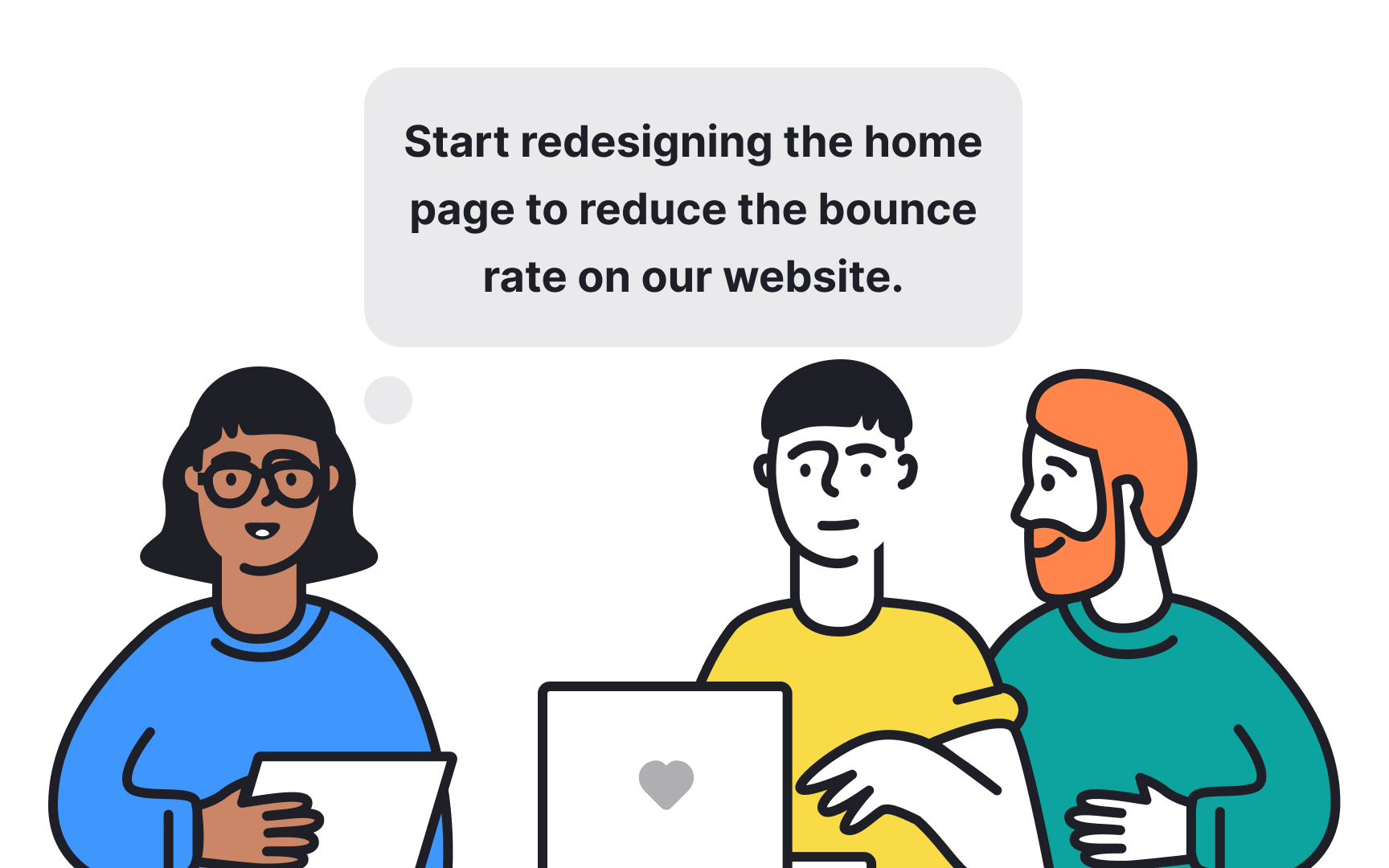

A design leader is a seasoned expert who leads a team, steering them towards creative and impactful designs. Their role is to shape the vision, strategy, and objectives for design projects in an organization.
Such a leader doesn't just oversee; they guide their team through understanding users, brainstorming, creating prototypes, and testing. They aim to solve complex issues by sparking creativity, promoting teamwork, and maintaining a focus on user needs. For instance, they might involve everyone in finding solutions during brainstorming sessions, rather than dictating decisions.
Ultimately, being a leader in design is more than just having authority. It's about guiding, inspiring, and championing designs that truly meet user needs.
Encourage innovative problem-solving


As a leader in design thinking, it's important to foster an environment where creative problem-solving thrives. Encourage your team to think differently and make sure they know it's okay, even great, to come up with unique ideas. Build a team culture that values creativity and sees making mistakes as a chance to learn, not something to fear.
For instance, hold regular brainstorming sessions where every idea gets attention, no matter how unusual. Combine this with a mindset of "fail fast, learn fast," using quick prototypes and regular testing to improve ideas quickly.
Also, make sure to recognize and reward creative efforts. This could be as simple as giving a shoutout to innovative ideas in meetings or setting up a system to reward breakthrough solutions.
Adopt a human-centered approach

Adopting human-centricity is all about putting a deep understanding and empathy for users first. It means moving past your own assumptions and actively seeking genuine user feedback from a wide range of sources. Instead of just relying on formal research like focus groups, it encourages noticing how people behave and interact in their day-to-day lives, like casual chats on a bus or snippets of conversation in a coffee shop.[1]
For instance, a design leader in a tech firm might take the bus just to watch how people use their phones. Observing users in their natural environment can uncover real needs and problems, leading to designs that truly connect with people. This hands-on approach not only improves the design but can also open up new opportunities for the business and its users.
Be adaptive to new challenges
A skilled design leader needs to be adaptable, a key trait for keeping up with the constant changes in design. This means being open to fresh ideas, learning from both wins and mistakes, and being ready to adjust plans to keep the product on track.
When market trends or user needs change quickly, a capable design leader quickly rethinks and adjusts the team's direction. They might bring in new tech or fresh ways of thinking to stay ahead.
For instance, LEGO, which once faced financial issues, transformed itself by focusing on what users really wanted. It connected with adult fans and launched complex sets and digital features like LEGO Mindstorms, helping LEGO reach new customers and give its brand a new lease of life.[2]
Encourage a questioning mindset

Asking questions helps gain a deeper understanding, reveals new insights, and questions existing beliefs. It leads to critical thinking, understanding users better, and innovative problem-solving.
For design leaders to encourage a culture of questioning, they can:
- Create a safe space where everyone feels comfortable asking questions. Promote curiosity with "Why?" and "What if?" to spark deeper thinking.
- Challenge the usual way of doing things, including ideas about what users need, market trends, and typical design practices. This can lead to groundbreaking innovations.
- Push team members to gather views from different people, like users, other teams, and outside experts. Different perspectives can bring new light to a challenge.
- Always keep the user in mind when asking questions. Make sure team members consider how their design decisions will affect the user's experience.
Adopt systems thinking


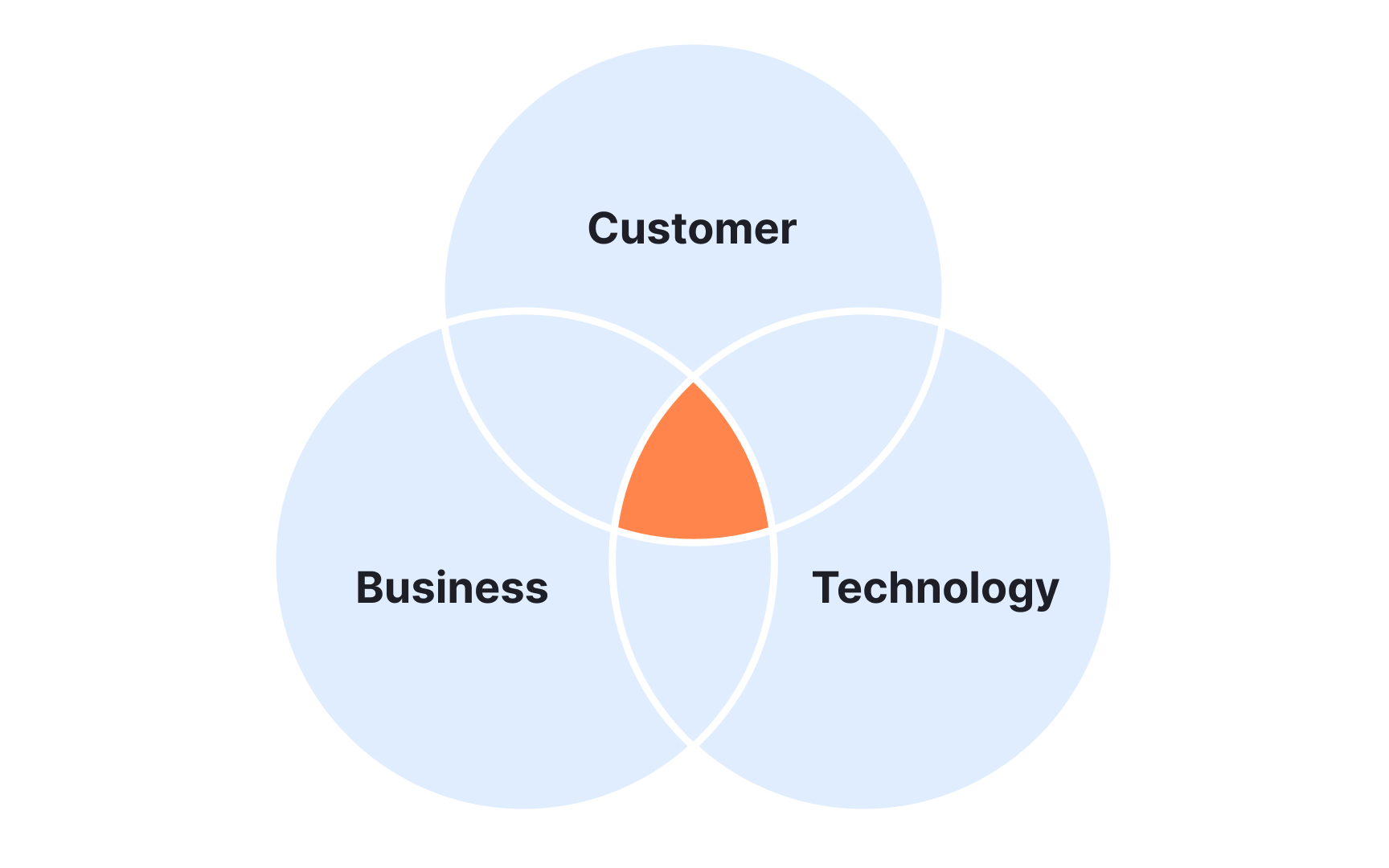
Systems thinking is an approach to seeing the big picture and understanding how different parts of a problem are connected within a larger network.[3] Design leaders should use this approach to look at the wider context in which a product or service fits.
For instance, when creating a mobile app, a leader with a systems thinking mindset wouldn't just focus on the app's design. They'd also consider how it works with other devices and services the user has. They'd think about the whole user journey, from first hearing about the app to buying it and getting support afterward, spotting any issues or chances to make things better along the way.
By adopting systems thinking, design leaders can design experiences that are more connected and focused on users. They understand that a problem in one part of the system can affect other parts, so they actively work to understand and manage these links. This helps provide a smooth and enjoyable experience for users.
Demonstrate empathy and respect


A proficient design-thinking leader should demonstrate empathy and respect because these qualities are the cornerstone of understanding and meeting user needs effectively.
Empathy involves putting oneself in the user's shoes, genuinely understanding their challenges, and recognizing their emotions and perspectives. For instance, when working on a healthcare app, a design leader should empathize with users' concerns for privacy and security. By respecting these concerns and involving security experts in the design process, the team can create a more user-trusted product.
Empathy and respect also extend to acknowledging end-users’ diverse backgrounds and needs, leading to inclusive and universally accessible design solutions.
Accept ambiguity and risks


Accepting ambiguity means embracing uncertainty at the project's start, fostering exploration and creativity. For instance, in product development, you may not fully understand user needs or technical feasibility. Instead, use this uncertainty to experiment and learn.
Managing risks involves assessing benefits against downsides. A skilled design leader encourages calculated risk-taking, pursuing bold ideas when the potential rewards outweigh the risks. For example, launching innovative technology may raise questions about user acceptance and feasibility.
A wise leader plans to address these risks, tests the idea, and adapts based on feedback and user response.
Learn from failures
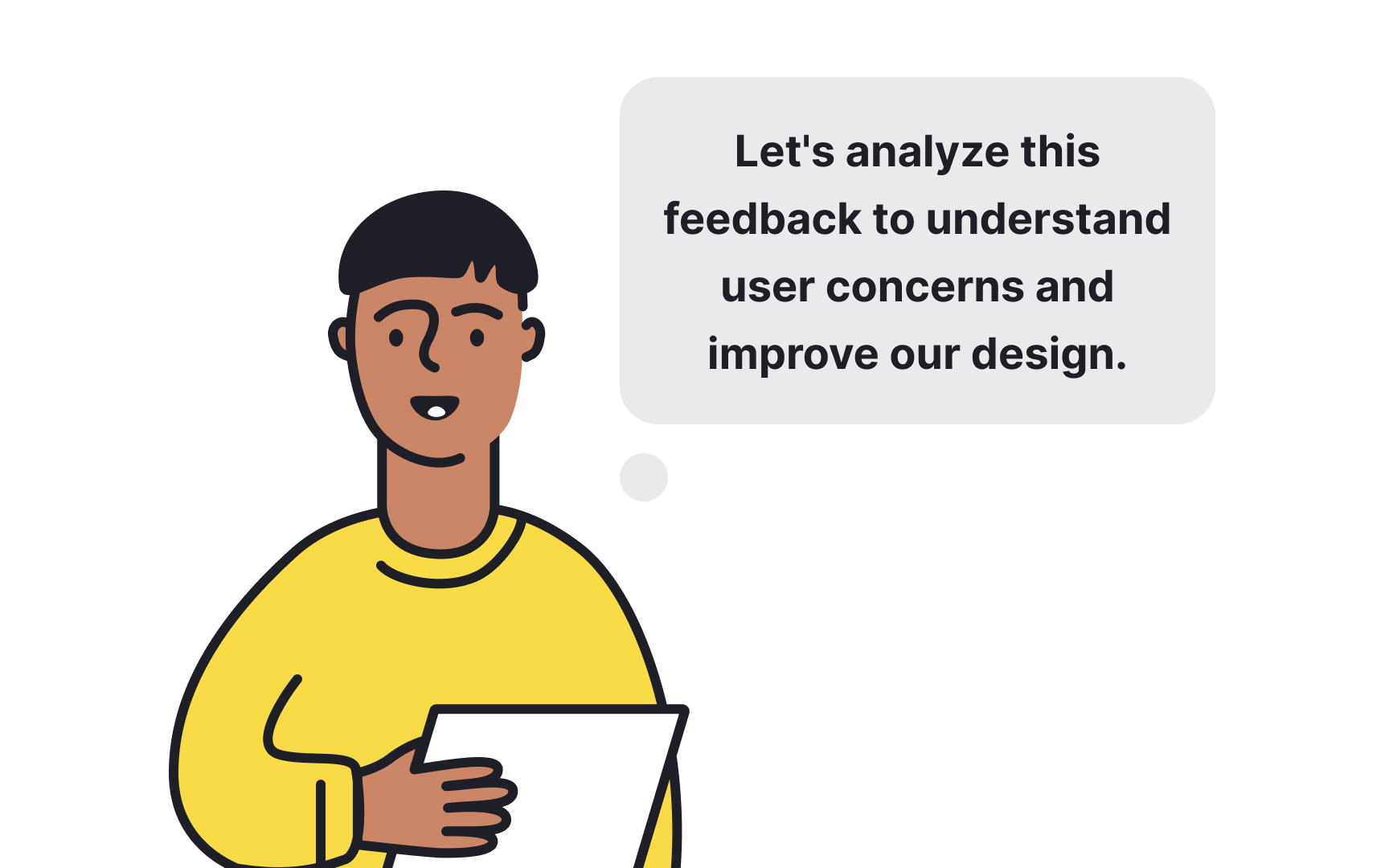

Failures highlight what doesn't work, offering a clear direction for refinement. For instance, if a newly launched app feature receives negative feedback for being non-intuitive, this isn't just a setback — it's a crucial learning opportunity. A good design leader will analyze why the feature failed to resonate with users, considering aspects like user interface complexity or lack of agreement with user needs.
Learning from this failure involves gathering user feedback, revising the design approach, and retesting. It's about understanding the gap between user expectations and the product's functionality. This process fosters a culture of continuous improvement and encourages a mindset where risks and experimentation are seen as essential steps toward achieving user-friendly design.