


TL;DR
- Tracks user interactions and behaviors.
- Informs usability and design improvements.
- Uses heatmaps, funnels, and session recordings.
- Guides data-driven design decisions.
Definition
UX analytics is the process of monitoring and interpreting data from user interactions with digital products, helping teams identify issues, validate designs, and improve experiences.
Detailed Overview
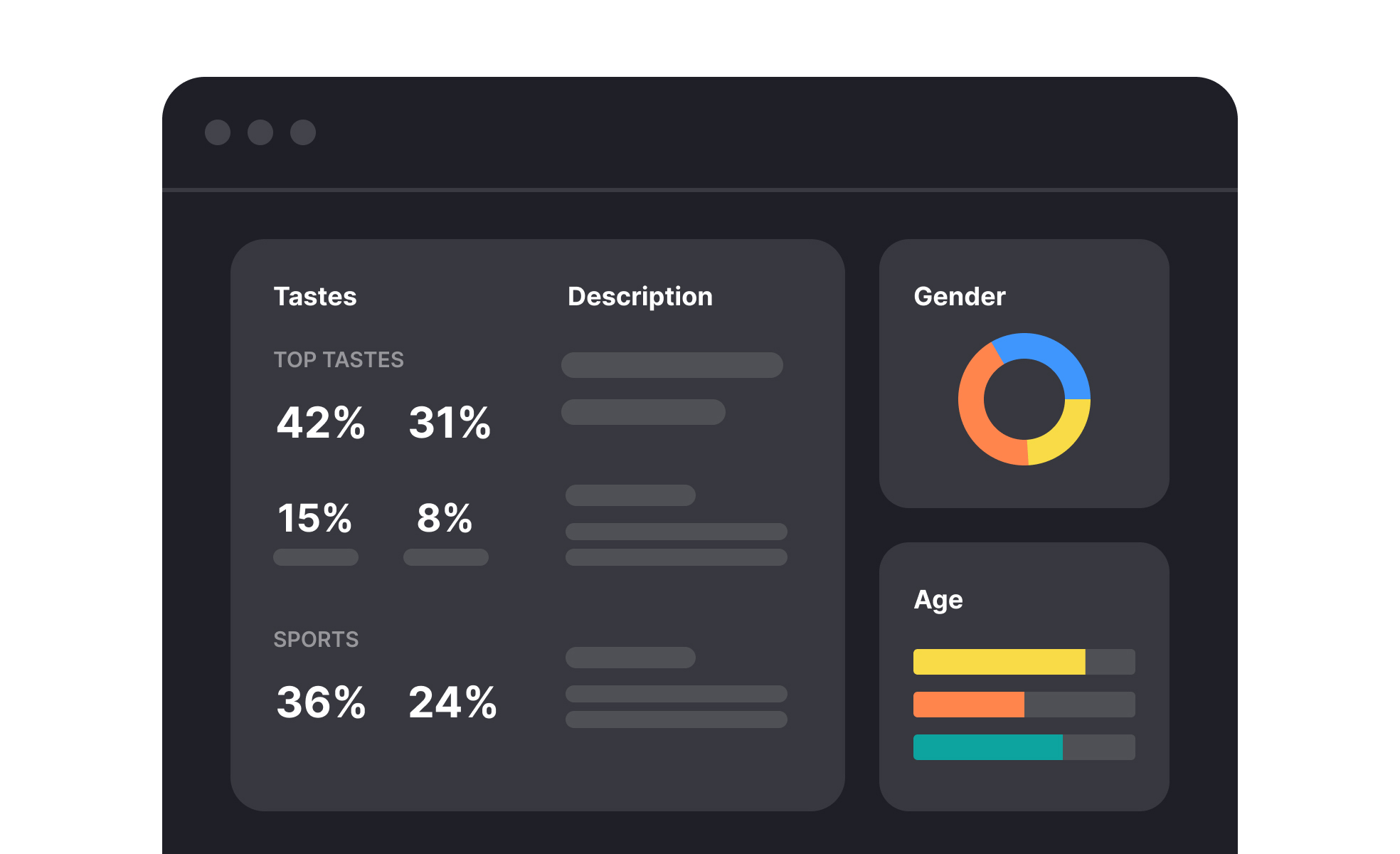
UX analytics bridges the gap between design assumptions and real user behavior. Tracking clicks, scrolls, navigation paths, and engagement provides evidence of how users experience a product. Instead of guessing whether a design works, teams use analytics to validate or challenge assumptions.
A frequent question is what makes UX analytics different from general product analytics. Product analytics often focuses on business outcomes like revenue or conversion, while UX analytics zeroes in on interaction patterns and usability. For example, product analytics might reveal that users drop off during checkout, but UX analytics can show which form field caused friction.
Another common query is about tools. Heatmaps, session recordings, and click tracking help visualize behavior. Funnel analysis identifies where users abandon processes, while surveys and usability testing add attitudinal data. Combining these methods gives a complete picture of both the what and the why behind user actions.
Teams often ask how UX analytics influences design iteration. Insights highlight pain points, such as confusing navigation or underused features. Designers can then prototype solutions, test them, and compare metrics before and after changes. This creates a feedback loop where data drives continuous improvement.
Accessibility is also a key consideration. UX analytics can track whether users with assistive technologies complete tasks successfully or if certain interactions fail. This helps teams uncover barriers that traditional testing might miss. Building inclusivity into analytics ensures designs serve all audiences.
Finally, UX analytics supports collaboration between design, product, and engineering teams. Grounding conversations in data aligns stakeholders around clear problems and measurable outcomes. This shared evidence base reduces subjective debates and accelerates decision-making.
Learn more about this in the Define Key UX Metrics Exercise, taken from the ChatGPT in User Research Lesson, a part of the Enhancing UX Workflow with AI Course.


