


What is Human Behavior?
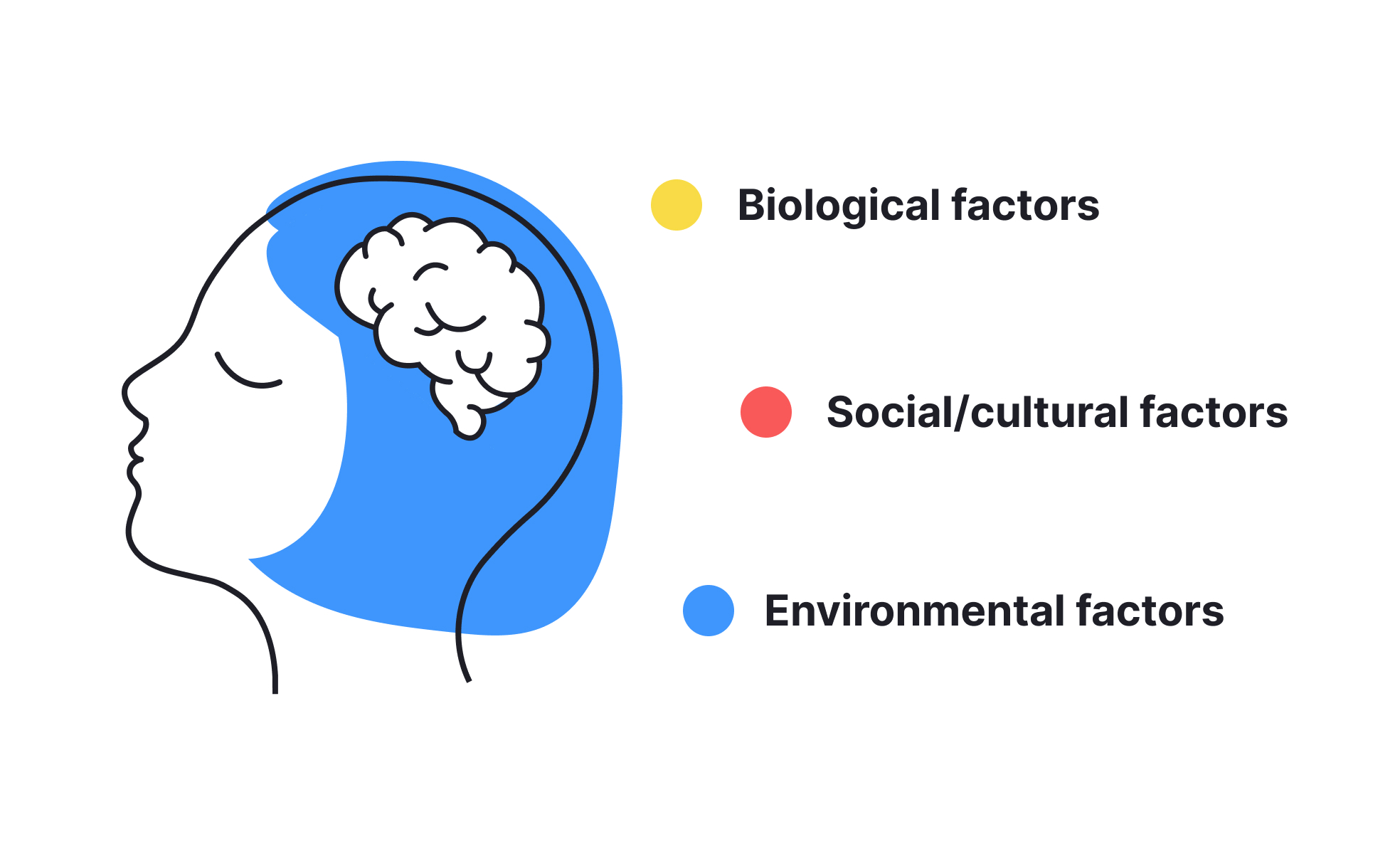
Human behavior encompasses the actions, decisions, and responses people make in different contexts, influenced by psychological factors, social norms, cultural backgrounds, and environmental conditions that shape how individuals interact with products, services, and each other. Understanding human behavior enables better product design, marketing strategies, and user experiences that align with natural human patterns rather than forcing artificial behaviors.
Human Behavior in Product Development
Product managers use behavioral insights to design features that users will actually adopt and find valuable, rather than creating functionality that looks good on paper but fails in real usage contexts.
User motivation and engagement design
Understand what drives user behavior including intrinsic motivations, social influences, and habit formation patterns to design features that encourage sustained engagement rather than one-time usage.
Decision-making support and choice architecture
Design interfaces that facilitate good decision-making by understanding cognitive limitations, choice overload, and decision fatigue that affect how users evaluate options and take action.
Habit formation and behavioral change
Apply behavioral psychology principles to help users develop positive habits and change behaviors through product design that provides appropriate cues, rewards, and reinforcement cycles.
Social influence and community features
Leverage social psychology insights about peer influence, social proof, and community belonging to design features that encourage positive social interactions and network effects.
Psychological Principles and Cognitive Patterns
Cognitive biases affecting user behavior:
- Loss aversion: People feel losses more strongly than equivalent gains, affecting risk-taking and decision-making
- Anchoring bias: First information heavily influences subsequent judgments and choices
- Social proof: People follow others' behavior, especially similar peers or authority figures
- Scarcity effect: Limited availability increases perceived value and urgency
Motivation and behavior change factors:
- Intrinsic vs extrinsic motivation: Internal satisfaction often outperforms external rewards for sustained behavior
- Self-efficacy: Belief in one's ability to succeed affects willingness to attempt challenging tasks
- Goal setting: Specific, achievable goals with clear progress indicators increase success rates
- Feedback loops: Immediate feedback about progress and performance reinforces desired behaviors
Decision-making patterns and heuristics:
- Satisficing: People choose "good enough" options rather than optimizing for perfect choices
- Availability heuristic: Recent or memorable examples disproportionately influence decisions
- Default bias: People tend to stick with pre-selected options and settings
- Paradox of choice: Too many options can decrease satisfaction and increase decision difficulty
Applying Behavioral Insights
- Cognitive load reduction: Simplifying interfaces to match human information processing limitations
- Progressive disclosure: Revealing complexity gradually as users demonstrate readiness
- Visual hierarchy: Guiding attention through design that matches natural eye movement patterns
- Affordances: Making interactive elements obviously actionable through familiar design patterns
- Nudge techniques: Gentle guidance toward beneficial choices without restricting freedom
- Gamification: Using game-like elements to motivate engagement and progress
- Social features: Leveraging peer influence and community to encourage positive behaviors
- Habit stacking: Connecting new behaviors to existing habits for easier adoption
- Adaptive interfaces: Adjusting experiences based on user behavior patterns and preferences
- Learning systems: Interfaces that improve over time based on individual user behavior


