


TL;DR
- Users’ internal understanding of systems.
- Guides how people predict product behavior.
- Aligning design with models reduces friction.
- Mismatches cause confusion and errors.
Definition
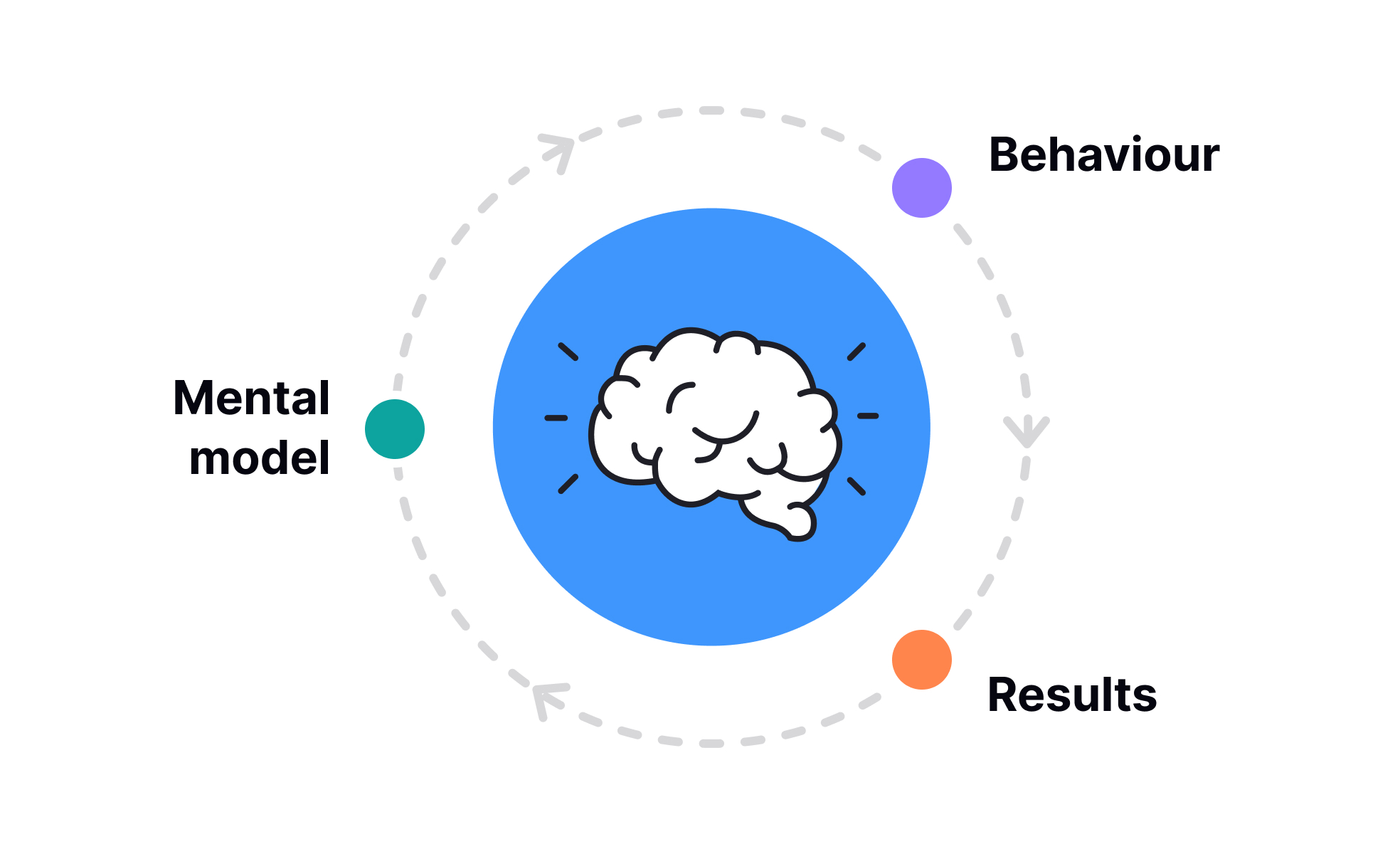
A mental model is the framework people build in their minds about how systems, products, or processes function, influencing how they interact with and interpret digital experiences.
Detailed Overview
Mental models explain why users behave the way they do when interacting with products. They represent the assumptions and expectations people carry based on past experiences. For example, many users assume clicking a logo will return them to a homepage. This expectation becomes part of their mental model of how websites work.
A frequent question is how designers use mental models. By aligning product structures with user expectations, designers create intuitive experiences. If a product deviates from a familiar pattern, users must re-learn behaviors, which often creates friction. Good design matches or carefully reshapes mental models to guide smooth interaction.
Another recurring discussion is about mismatched models. When users expect one outcome but encounter another, confusion arises. For example, if a shopping cart icon leads to account settings, frustration results. These mismatches highlight the need for consistency with established patterns or clear cues when introducing new ones.
Teams often ask how mental models relate to conceptual models. A conceptual model is the intended design structure, while a mental model is how users perceive it. Effective design ensures that the conceptual model is communicated clearly, so users’ mental models align with how the product actually works.
Cultural differences also influence mental models. In some regions, symbols, navigation styles, or interaction patterns are interpreted differently. What feels natural in one market may feel confusing in another. Global products must account for these variations to avoid alienating parts of their audience.
Finally, mental models are not static. As technology evolves, so do user expectations. For instance, swipe gestures have become part of mobile mental models, even though they were unfamiliar a decade ago. Designers must stay aware of these shifts to maintain alignment with evolving behavior.
Learn more about this in the What is a Mental Model Exercise, taken from the Mental Models in UX Research Lesson, a part of the UX Research Course.


