


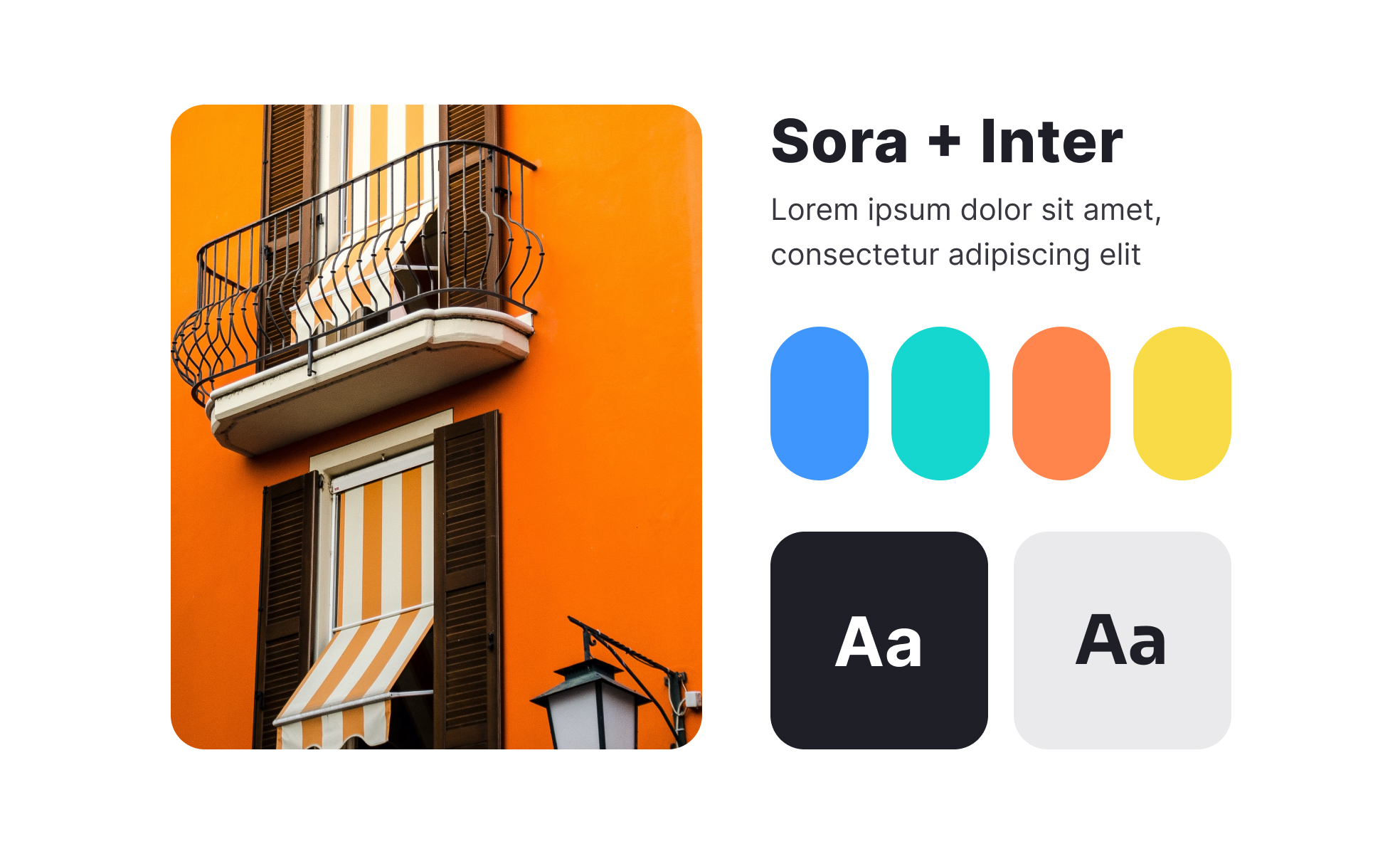
TL;DR
- Defines the aesthetic of a design.
- Combines color, typography, and layout.
- Shapes brand identity and perception.
- Creates consistency across experiences.
Definition
Style is the visual and aesthetic expression of a product, brand, or interface, achieved through choices in elements like typography, color, imagery, and layout.
Detailed Overview
Style is more than decoration; it is the visual language that communicates personality, values, and intent in design. By combining elements such as color, type, spacing, and imagery, style defines how users perceive a product or brand. Without a coherent style, even well-functioning products may feel unpolished or untrustworthy.
A frequent question is how style differs from function. Function ensures something works; style ensures it resonates with people. For example, two apps may offer identical features, but the one with a clean, cohesive style is more likely to feel professional and build trust. Users often judge credibility in seconds, making style a critical factor in first impressions.
Another common query relates to consistency. Inconsistent style across touchpoints, like mismatched fonts, clashing colors, or uneven imagery, creates confusion. Style guides or design systems address this by codifying rules for typography, color palettes, iconography, and other elements. These ensure that a product or brand maintains visual unity no matter how or where it is experienced.
Teams often ask about the balance between style and usability. While expressive styles can capture attention, they must not interfere with readability or interaction. For example, ornate typography may look distinctive but harm legibility at small sizes. Effective style finds harmony between aesthetics and clarity, ensuring beauty supports usability.
Another important consideration is adaptability. A strong style can evolve across contexts without losing identity. For instance, a brand may use bold colors and playful illustrations in marketing, while adopting simpler, calmer styles for professional dashboards. Adaptability ensures style supports varying use cases without fragmenting the brand.
Finally, style plays a role in differentiation. In competitive markets, a distinctive style helps products stand out. A minimalist interface may signal sophistication, while a vibrant, expressive style may suggest creativity or fun. Thoughtful style choices communicate more than appearance; they reinforce positioning and emotional connection.
Learn more about this in the Typography Style & Classification Lesson, a part of the Typography Course.


