


TL;DR
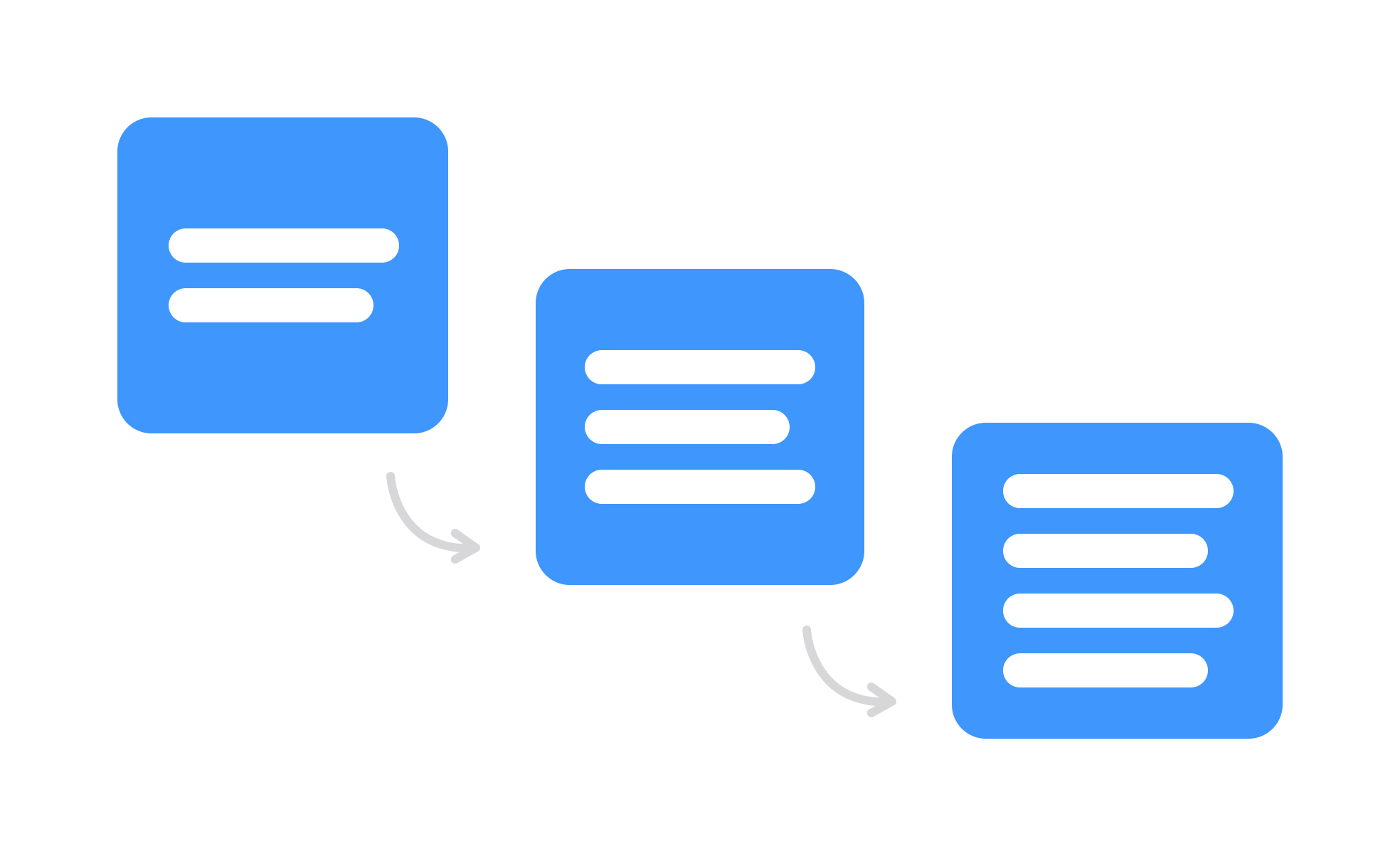
- Presents information step by step.
- Reduces cognitive load and user overwhelm.
- Improves clarity in complex workflows.
- Supports learning and decision-making.
Definition
Progressive disclosure is a user interface strategy where information and actions are revealed in stages, displaying only what is immediately necessary while keeping advanced or less frequent options hidden until needed.
Detailed Overview
Progressive disclosure is rooted in the idea that users should not be overwhelmed with information or choices all at once. Instead, content is revealed step by step, allowing users to focus on the task at hand. This principle is widely used in product and interface design to simplify experiences and guide users smoothly through complex workflows.
A frequent question is why progressive disclosure matters. Humans have limited working memory, and presenting too many options or too much information at once can cause confusion and errors. By limiting exposure to only what is relevant, progressive disclosure reduces cognitive load and makes interfaces feel approachable, even when the underlying system is complex.
Another common query is how progressive disclosure appears in practice. Examples include onboarding flows that introduce features gradually, forms that expand only when additional input is required, or advanced settings that remain hidden until requested. For instance, Google Docs hides advanced formatting tools in dropdown menus, allowing casual users to focus on writing while still giving advanced users access to deeper functionality.
Teams often ask how to balance simplicity and control. Too little information can frustrate advanced users who need efficiency, while too much can overwhelm beginners. Effective progressive disclosure strikes a balance by offering obvious pathways to access more detail when desired. Clear labels, expandable sections, and contextual hints help maintain this balance.
Another important aspect is user confidence. By structuring information progressively, users feel guided rather than abandoned. For example, checkout flows that break steps into stages with clear next actions reduce abandonment compared to presenting everything in one overwhelming form.
Finally, progressive disclosure supports learning. By presenting simple concepts first and introducing complexity later, users can gradually build mastery.
Learn more about this in the Testing Progressive Disclosure with Users Exercise, taken from the Progressive Disclosure in UX Writing Lesson, a part of the UX Writing Course.


