


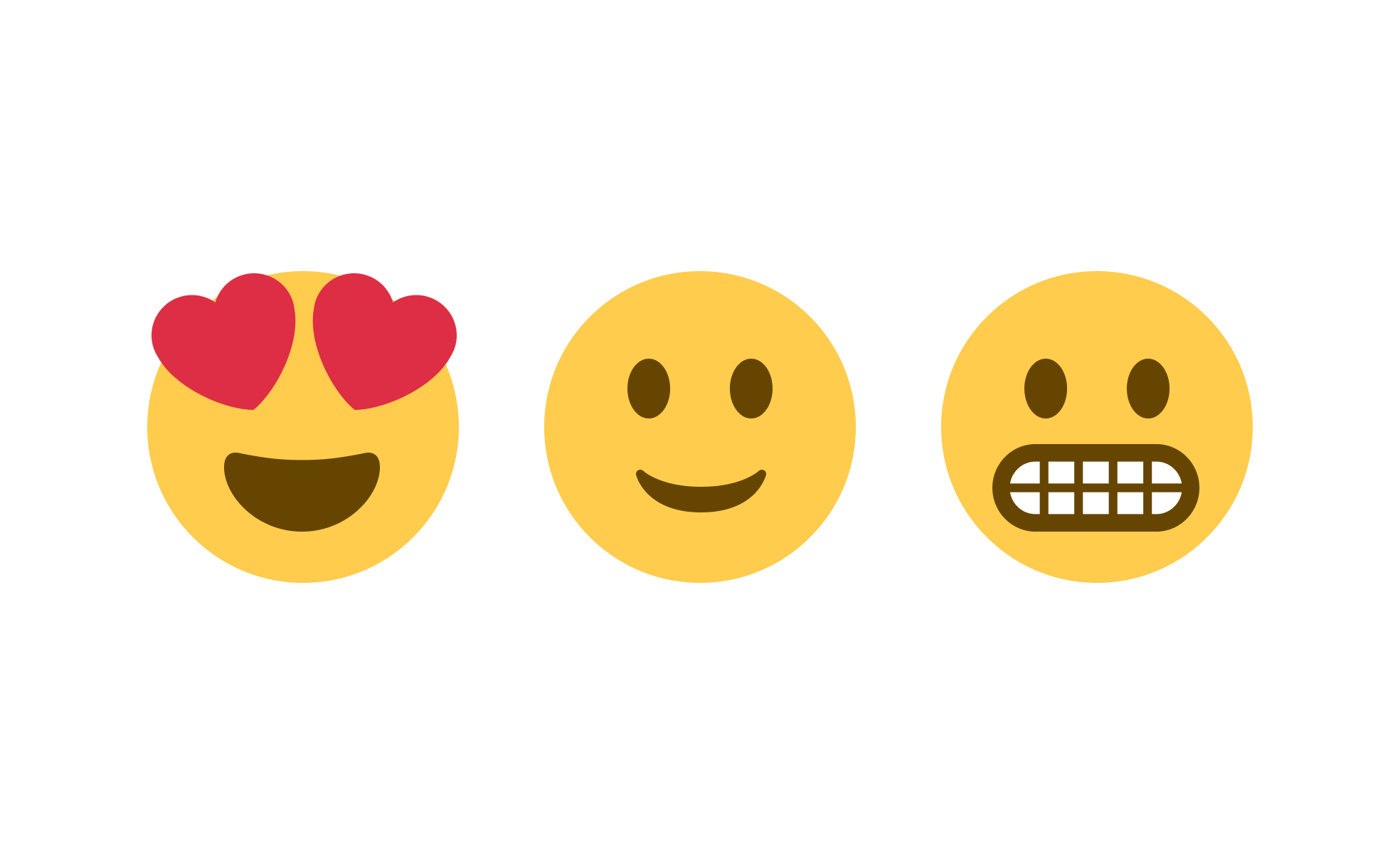
Emojis are small pictograms used in digital communication to represent emotions, objects, or concepts. In product design and management, they are more than playful symbols; they provide a layer of expression that text alone often cannot capture. Used thoughtfully, they strengthen clarity and reduce ambiguity in digital interfaces and user interactions.
For UX designers, emojis can lighten the tone of onboarding messages, add personality to system notifications, and create more relatable error messages. Their role is especially important in global contexts, where language barriers can make text harder to interpret. A simple smiley or thumbs-up often transcends linguistic limitations, making products more approachable.
From a product management perspective, emojis influence engagement and user retention. Messaging apps like WhatsApp and Slack built much of their popularity on extensive emoji libraries, enabling users to communicate quickly and expressively. Incorporating emojis strategically can increase click-through rates in push notifications or emails, as brands like Domino’s Pizza have demonstrated by letting customers order via the pizza emoji.
However, emojis must be used carefully. Overuse can appear unprofessional, while misinterpretation may occur across cultures or devices. Designers must also ensure accessibility by including alt text or descriptive tags so screen readers can interpret emojis for users with visual impairments.
In UI design, emojis support quick recognition. Icons like warning signs or celebration symbols communicate urgency or positivity instantly. Twitter’s frequent use of custom emoji tied to hashtags shows how brands can align digital communication with campaigns, encouraging participation and awareness.
The rise of inclusive emoji sets, featuring varied skin tones, genders, and accessibility symbols, highlights a broader movement toward representation. This inclusivity ensures that emojis reflect real-world diversity, aligning digital experiences with social expectations.
Learn more about this in the Emojis Exercise, taken from the Image Terminology Lesson, a part of the UX Design Foundations Course.
Key Takeaways
- Emojis enhance clarity, emotion, and relatability in communication.
- Designers use them to humanize notifications and onboarding.
- Product managers link emoji use to engagement and retention.
- Overuse risks professionalism and clarity, requiring balance.
- Inclusive emoji sets align products with representation goals.


