


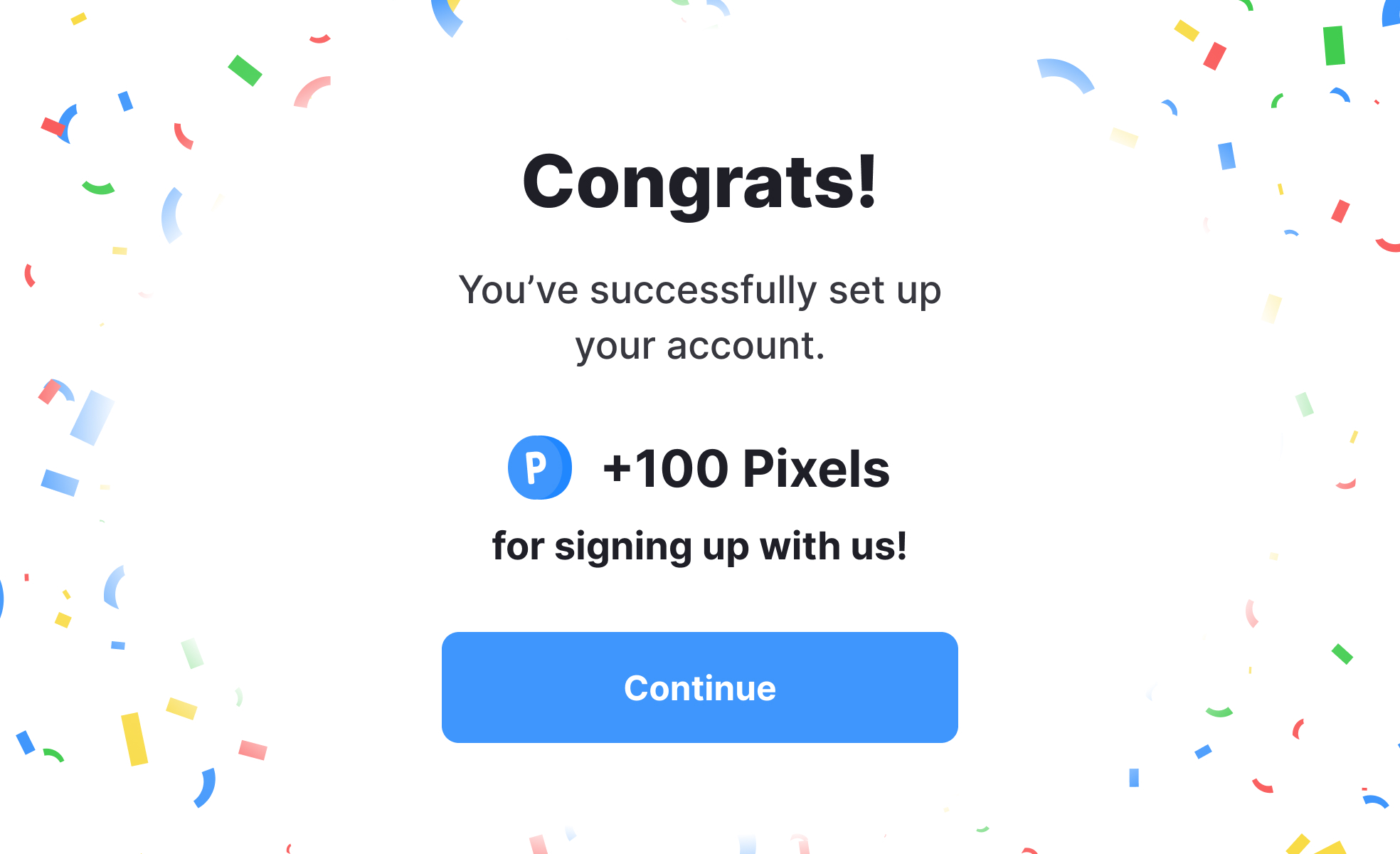
Gamification is the integration of game mechanics into non-game environments, such as apps, websites, or workplaces, to encourage specific behaviors and enhance user engagement. Instead of simply providing functional tools, gamification layers in rewards, progress indicators, and challenges make tasks feel more interactive and enjoyable. By tapping into intrinsic and extrinsic motivation, gamification helps transform otherwise routine experiences into compelling journeys.
For UX designers, gamification offers a toolkit to shape user interactions. Elements like badges, leaderboards, points, and progress bars are not just decorative; they provide immediate feedback, recognize achievements, and create a sense of momentum. For example, language-learning apps like Duolingo use streaks and rewards to encourage daily practice, making learning feel less like a chore and more like a game. Designers must ensure these elements enhance rather than distract, focusing on clarity and long-term motivation.
Accessibility and inclusivity also play a role in gamification design. Elements like visual badges, progress bars, or color-based indicators must be perceivable by users with disabilities. Screen reader compatibility, text alternatives, and clear instructions are essential. Inclusive gamification ensures that every user can participate fully in challenges and rewards, regardless of ability or context.
Real-world applications go beyond consumer apps. Corporate learning systems use gamification to encourage training completion. Productivity platforms integrate goal tracking and streaks to motivate consistent usage. Even customer loyalty programs employ points and tier systems to reward engagement. These diverse contexts demonstrate that gamification, when thoughtfully applied, is not limited to entertainment but drives value across industries.
Gamification also relies on psychology. It leverages principles like goal-setting, reward anticipation, and social competition. These mechanisms keep users engaged, but ethical considerations must be weighed carefully. Overuse of streaks or pressure-driven mechanics can create stress rather than motivation. Responsible gamification seeks to empower and inspire, not manipulate.
Learn more about this in the Psychological Theories Behind Gamification Lesson, a part of the Psychology Behind Gamified Experiences Course.
Key Takeaways
- Gamification integrates game mechanics into non-game contexts.
- UX designers use badges, streaks, and progress bars to motivate.
- Accessibility ensures everyone can benefit from gamified systems.
- Real-world uses include learning apps, fitness, and loyalty programs.
- Ethical application prevents gamification from feeling manipulative.


