



.svg)


Game mechanics work in games because players chose to be there. Adding those same mechanics to other products creates a different dynamic entirely. Points, badges, and leaderboards can increase engagement when they align with what users already want to accomplish. They backfire when they feel disconnected from the actual value the product provides. The key question isn't whether gamification works in general, it's whether it works for your specific context and users.
Some products naturally lend themselves to game mechanics because the core activity already has goal-oriented behavior. Fitness apps track progress users want to measure anyway. Language learning involves repetition that benefits from motivational boosts. But forcing game elements onto products where they don't fit creates friction instead of flow. Users can tell when mechanics serve the business rather than serving them. Understanding this distinction prevents the common mistake of adding gamification because it's trendy rather than because it solves a real user problem.
What is gamification?
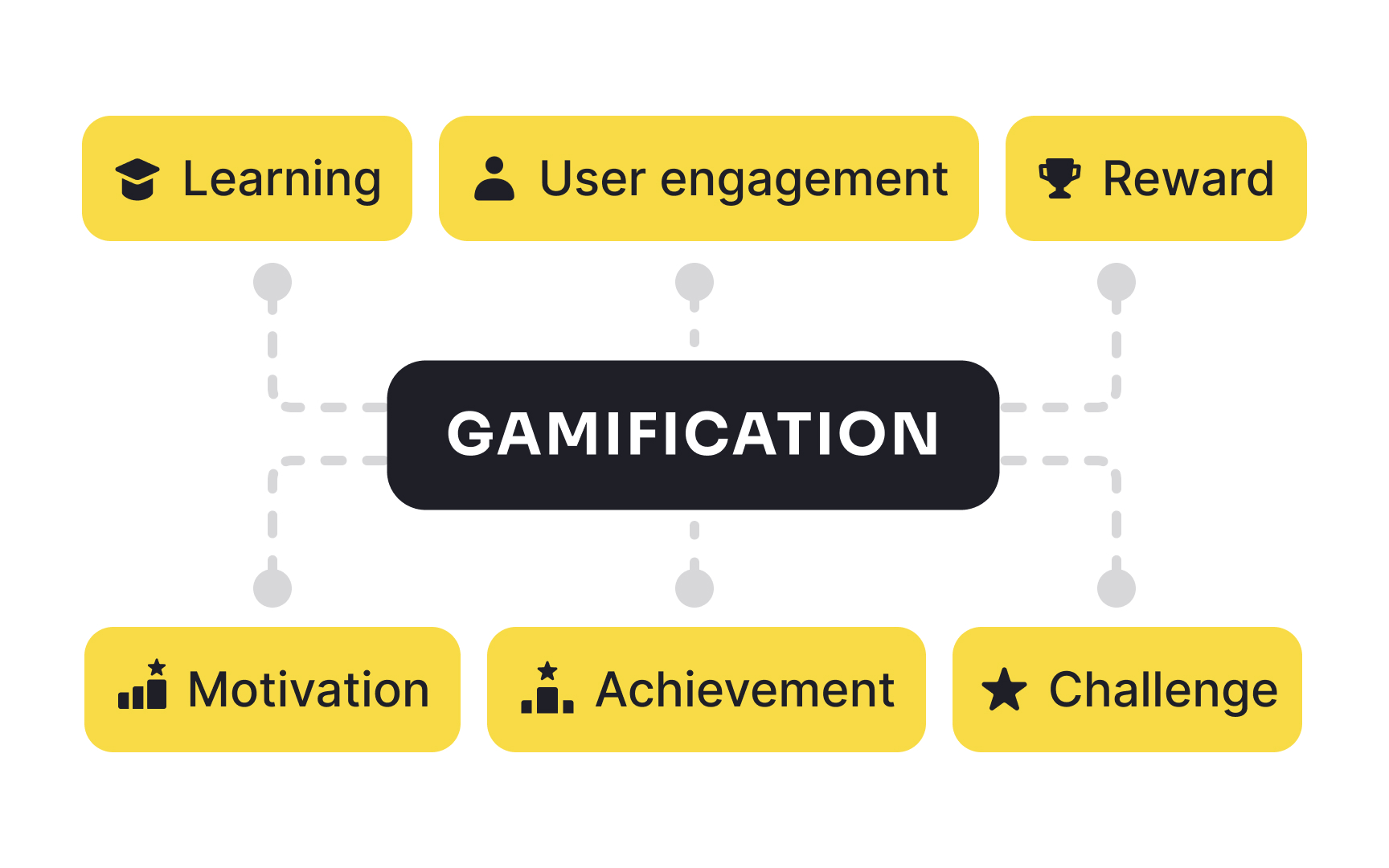
Gamification uses game-like mechanics in non-game settings to make applications more appealing. It involves adding elements like points, badges, and rewards to web and mobile apps to encourage people to use them more. For example, the Hops — Journey of Tree Spirit app turns daily activities into an adventure game. Users complete tasks like drinking water, exercising, or meditating to help their tree spirit grow and thrive. They earn points and rewards for each completed task, which keeps them motivated and engaged. Gamification also aims to promote specific behaviors by making these tasks more engaging. It taps into users’ natural love for games, making technology more enjoyable and motivating them to complete tasks they might usually find boring.
What gamification is not



Here are some common misconceptions about gamification:
- Gamification is just about badges, points, and rewards. While these are visible elements, they aren't the core of gamification. The true power lies in engagement, storytelling, visualization, and problem-solving.
- Gamification is new. Concepts like simulations and goal-driven experiences have been used for centuries, such as military war games and strategy games like Chaturanga. Trainers and educators too have long used interactive and game-like techniques in teaching.
- Gamification is perfect for every situation. In reality, gamification must be applied thoughtfully and strategically, not as a one-size-fits-all solution.
- Gamification is easy to create. On the contrary, it requires careful design and integration of game elements with the content.[1]
Game vs. gamification
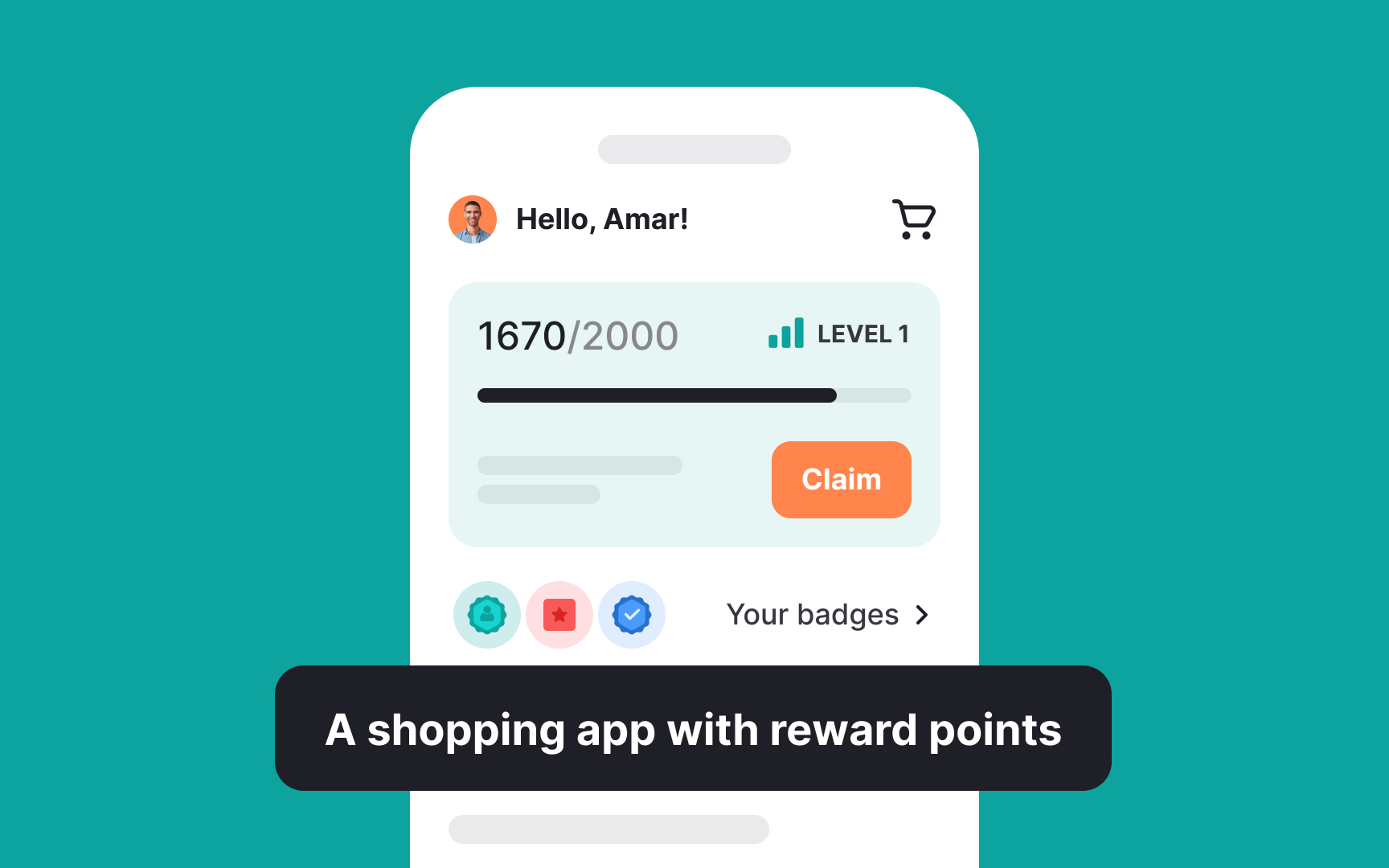
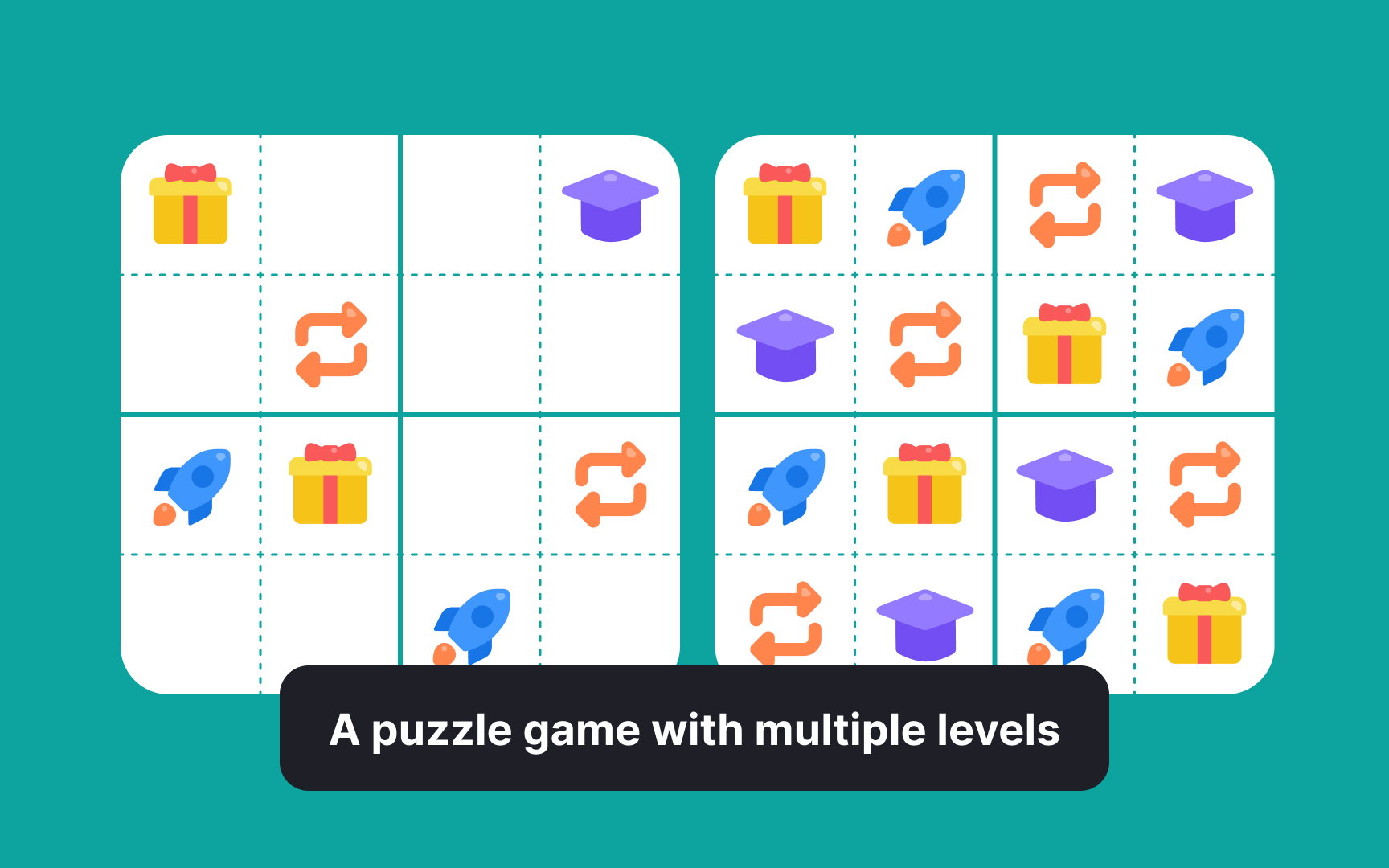
Gamification in UX adds game-like features to non-game activities to make them more engaging. For example, a shopping app might give you points and rewards for making purchases or writing reviews. It’s about making tasks more fun and motivating without turning them into actual games.
A game, however, is designed purely for entertainment or educational purposes. It has rules, objectives, and often a storyline. For example, a video game like Minecraft is played for fun, with players building and exploring in a virtual world.
There is also another concept called a serious game, which is a full-fledged game designed for a purpose beyond entertainment. For example, a medical training game simulates surgeries to help doctors practice their skills. It's a complete game with rules and objectives, focused on learning or solving real-world problems.
Gamification engages people
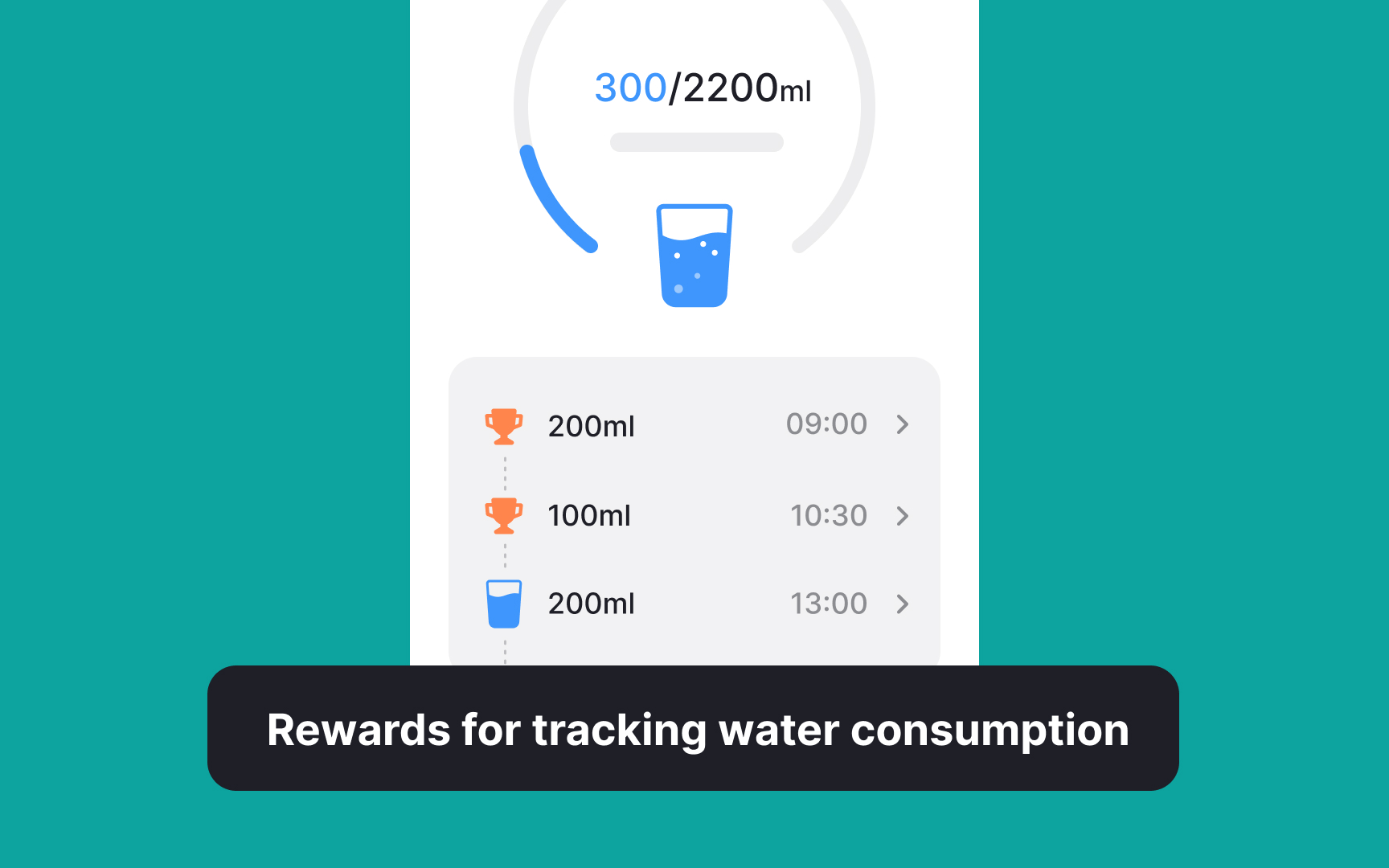
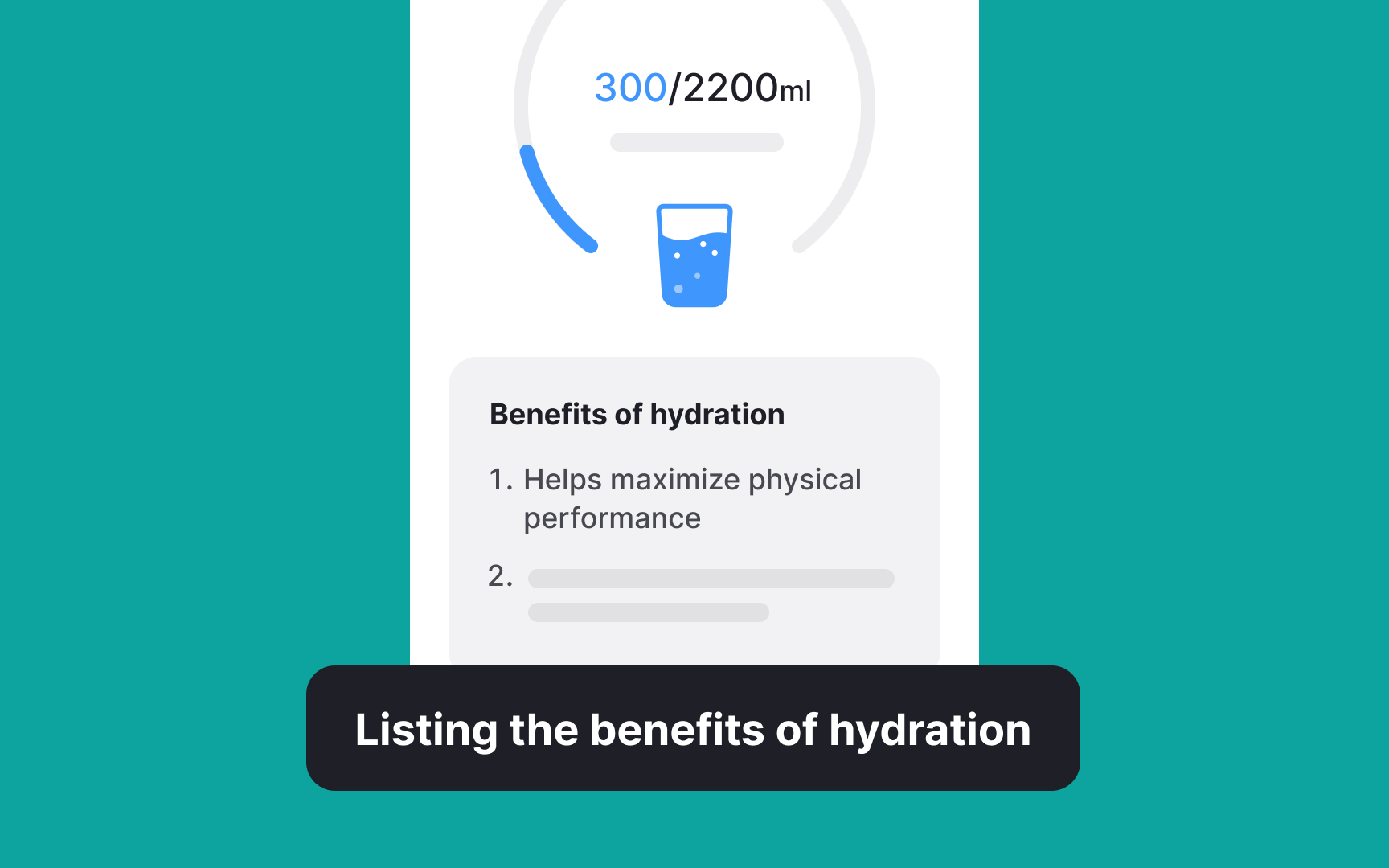
Gamification, when implemented correctly, has the potential to engage users and make boring tasks fun. When users are engaged with a task, they are more likely to show desired behavior. If users are not engaged, they are unlikely to participate. Gamification is all about engagement at both cognitive and emotional levels, which makes it great for enhancing user experience.
A great example of this is Volkswagen's Piano Staircase experiment where they turned a set of stairs into a giant piano, where each step played a note. Despite an escalator being right next to it, people chose to use the stairs 66% more because it was more enjoyable.[2] This shows how making tasks fun can persuade people to do them.
Gamification creates a habit
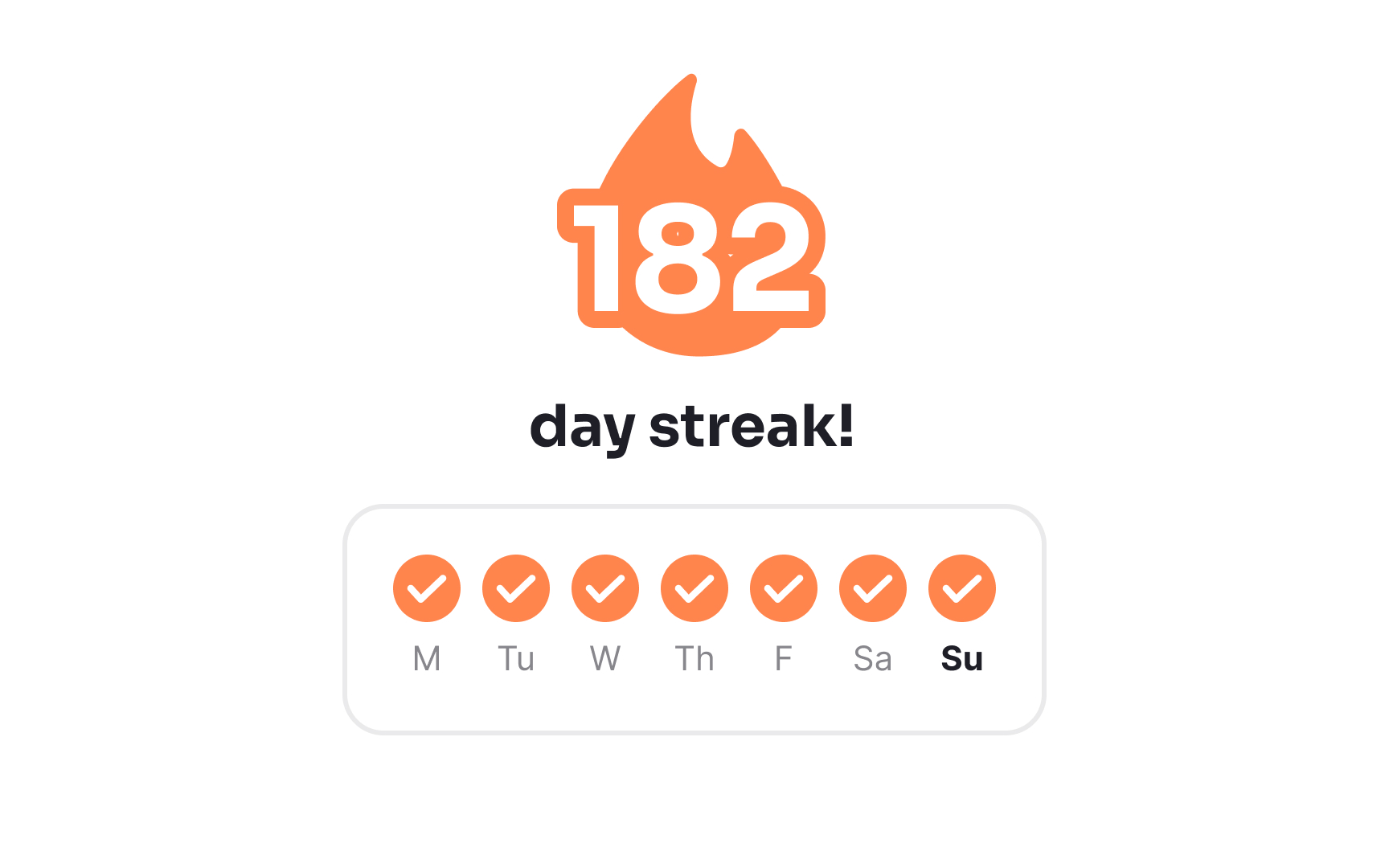
Gamification is designed to keep users coming back, making your app more engaging and fun. When encountering elements like challenges and rewards, users tend to want to interact with the app repeatedly. This repetition helps users learn and get better at using the app. For example, a language learning app might reward users with a badge for maintaining a learning streak, practicing every day for a week. As they encounter the content more often, their skills and knowledge grow. Additionally, techniques such as push notifications can remind users to engage with the app regularly, reinforcing the habit. Features like progress tracking and leaderboards also play a crucial role in maintaining user engagement.
Gamification creates personalized experiences
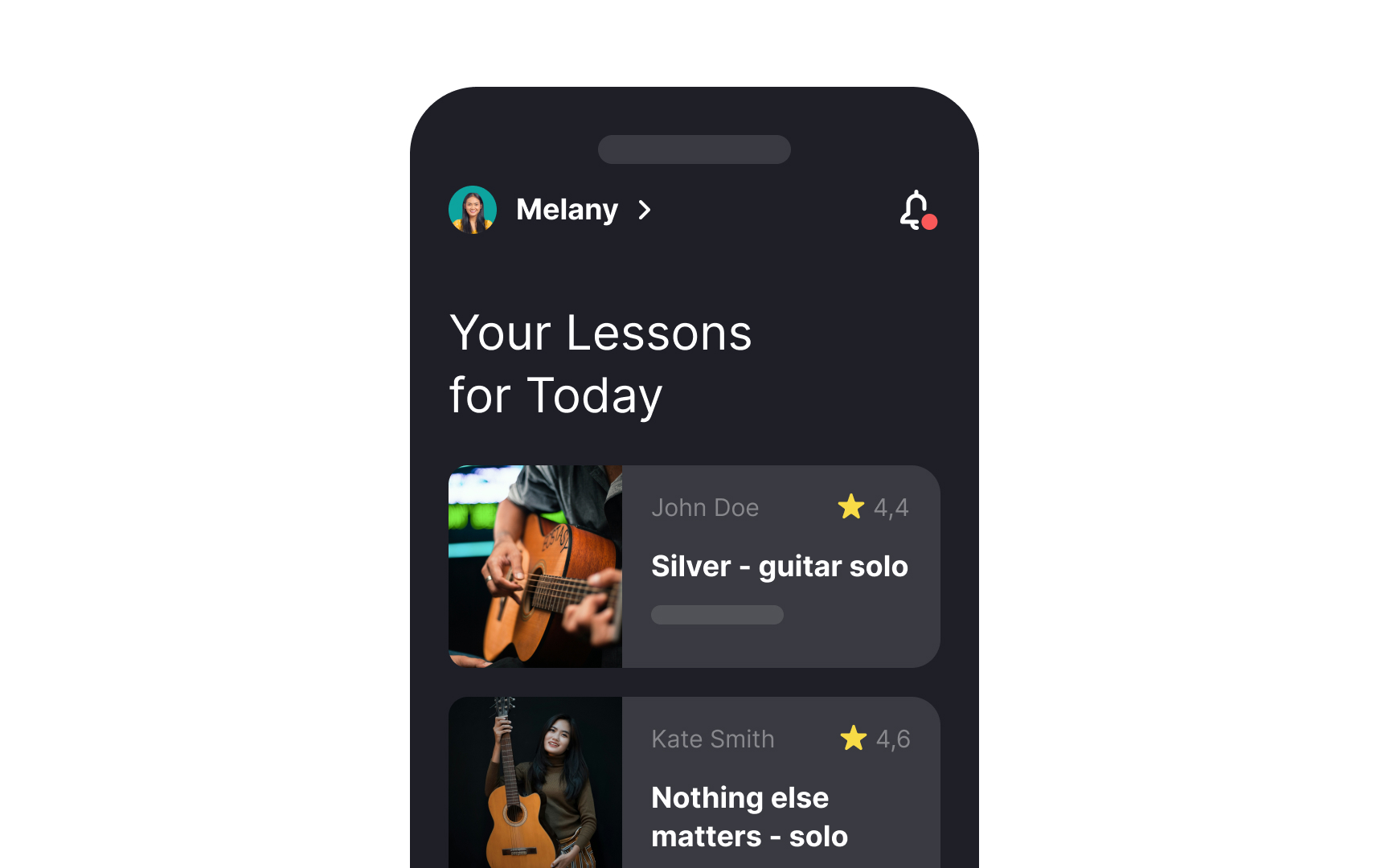
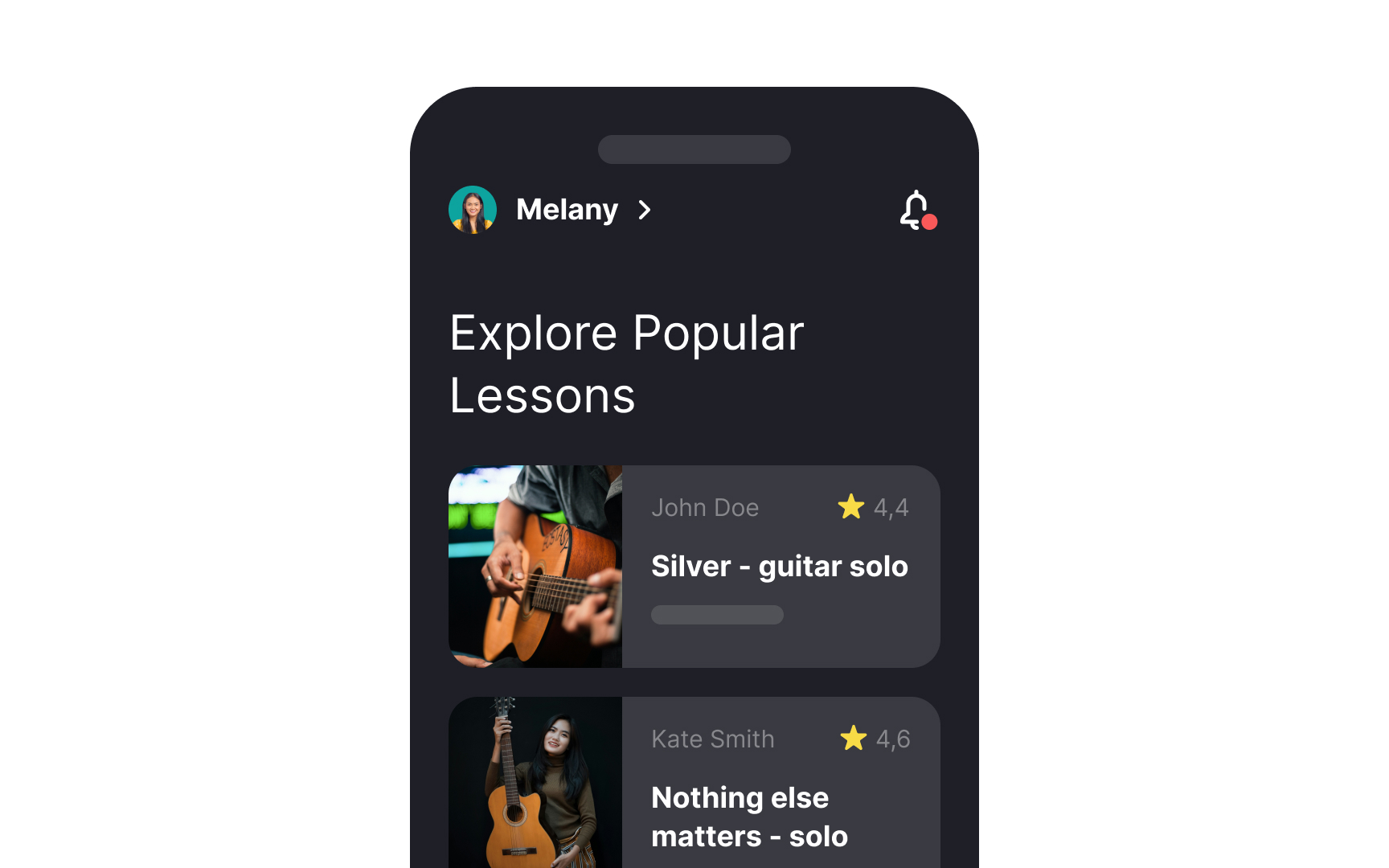
Gamification makes learning personal by adapting to each user's pace and progress. This means everyone gets a unique experience, trying different strategies and facing challenges at their own speed. For example, in a music learning app, one user might receive more exercises on basic chords if they need extra practice, while another user might quickly move on to learning songs if they master the basics quickly. The app tracks progress and adjusts the lessons accordingly, offering rewards like badges for completing exercises. This personalized approach keeps learning fun and engaging, encouraging users to continue practicing and improving at their own pace.
Gamification keeps users engaged beyond playtime
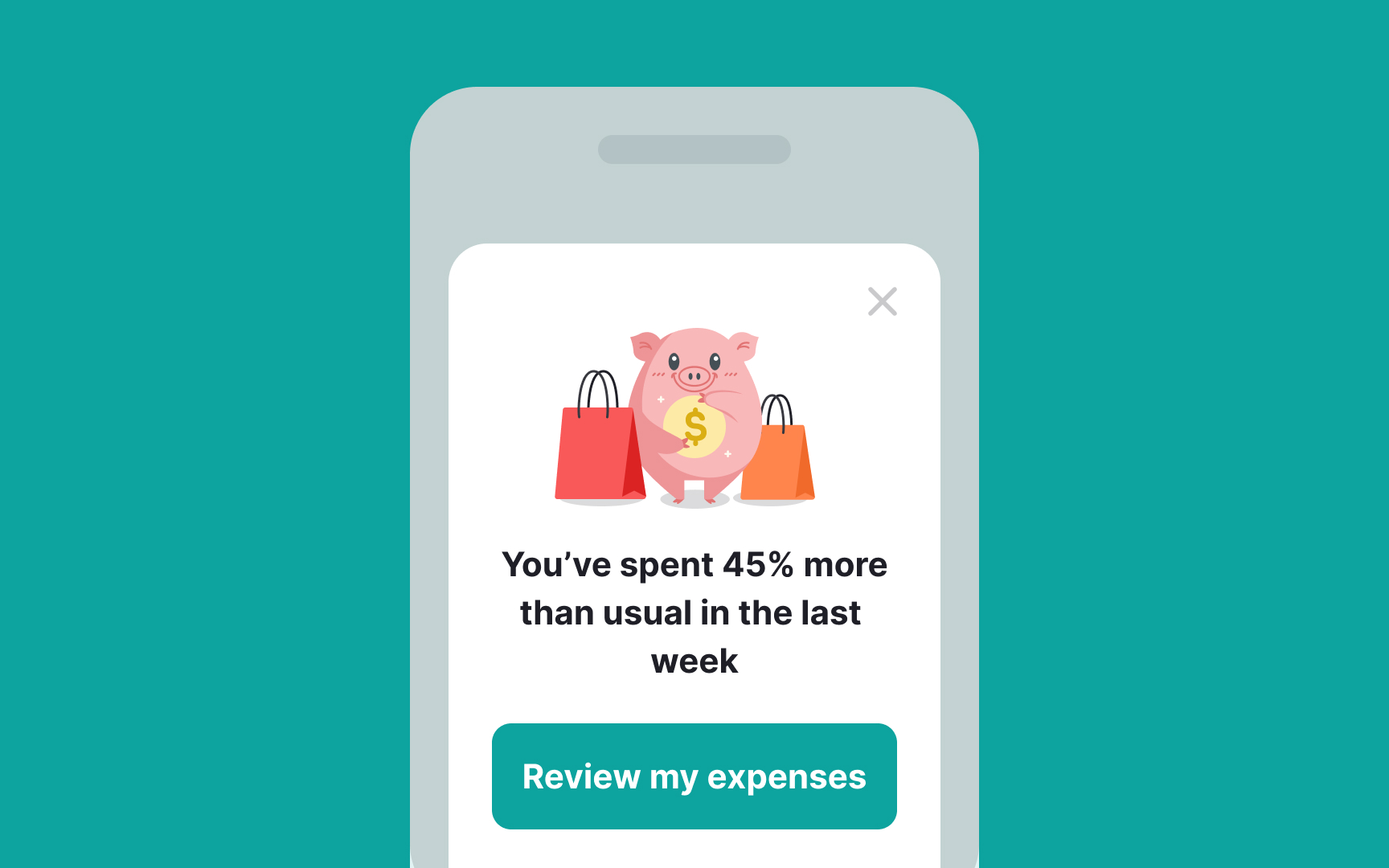
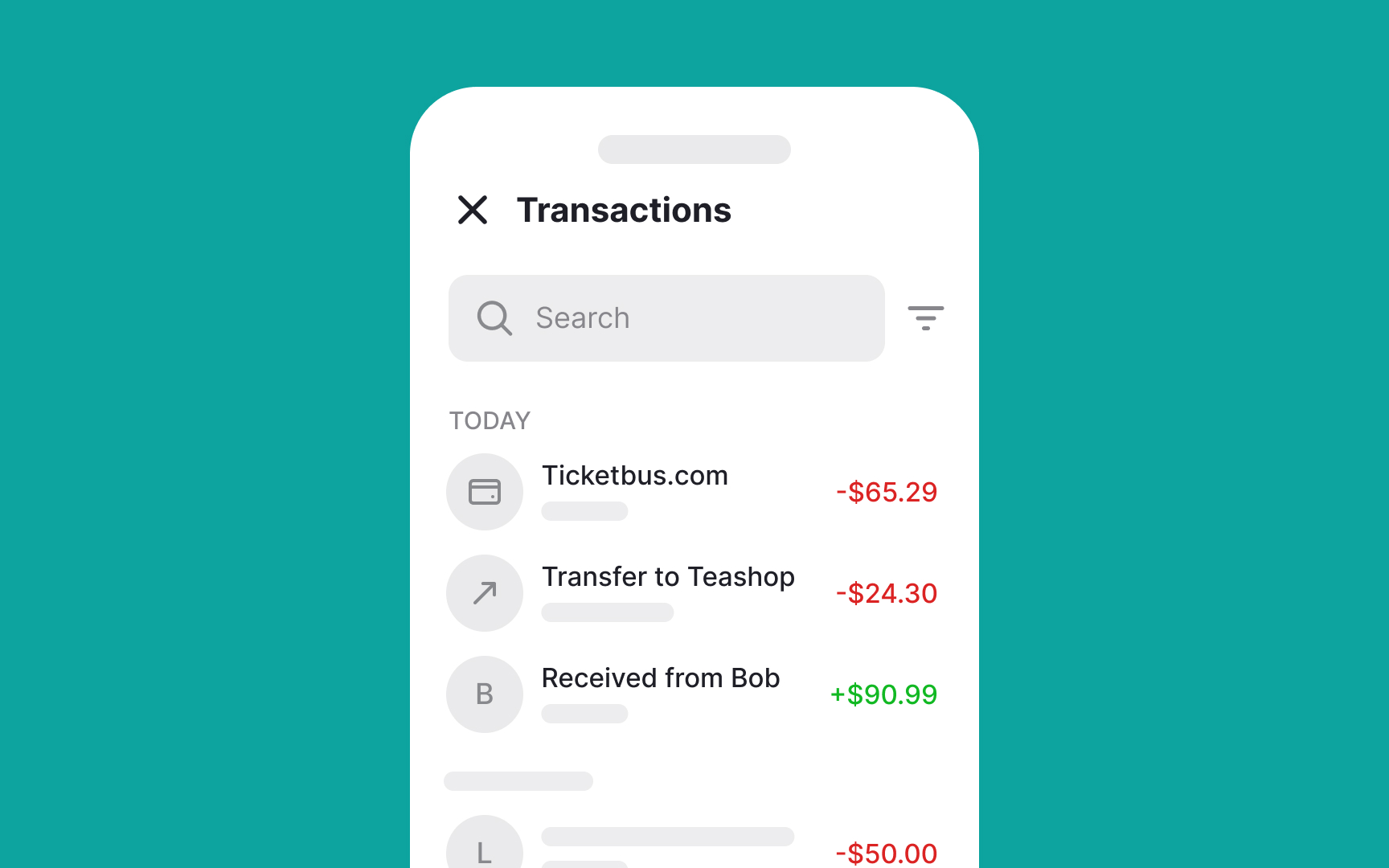
Gamification keeps users engaged beyond playtime by encouraging reflection on their actions. For example, in a budgeting app, users might think about their spending habits and what they could do differently. The app provides feedback on spending patterns and suggests ways to save money. This reflection helps users improve their financial management skills and motivates them to stick to their budget. Even when they're not using the app, users may mentally review their expenses to make better financial decisions next time. This ongoing mental engagement helps users achieve their financial goals, making the app a valuable tool for continuous improvement.
Gamification encourages socializing
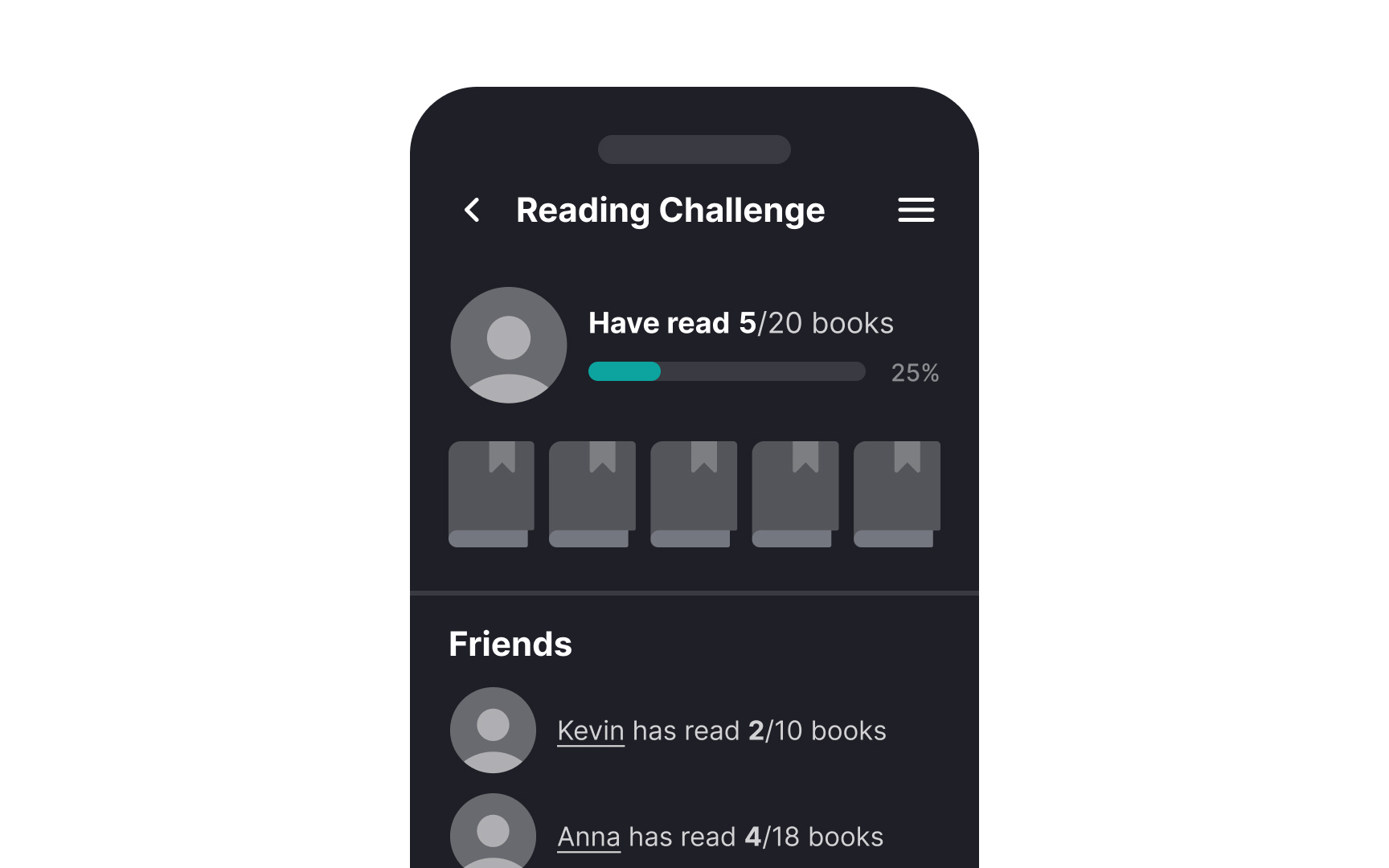
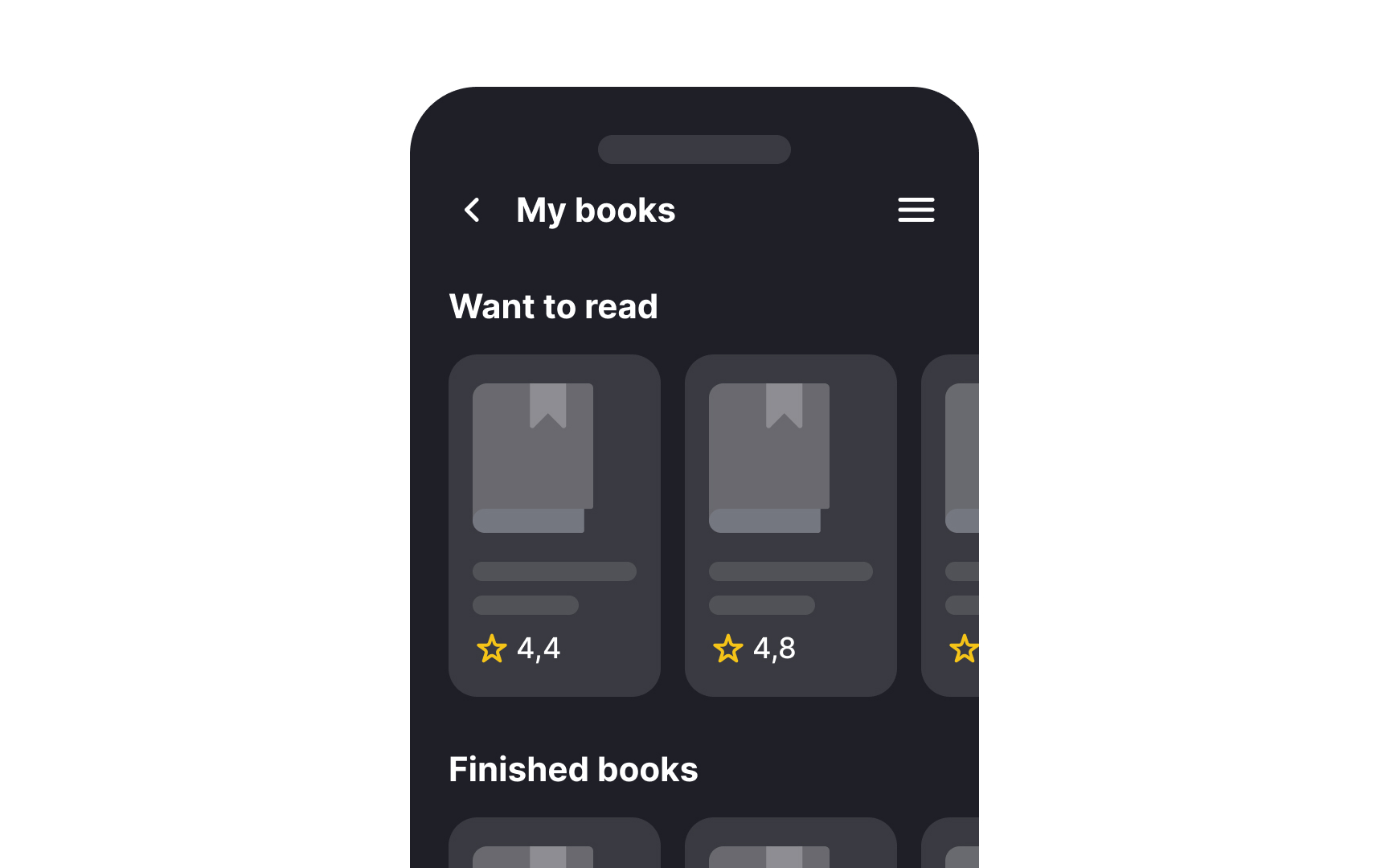
Gamification encourages socialization by adding elements like leaderboards, challenges, and social sharing features. For example, in the Goodreads app’s Reading Challenge, users set reading goals and track their progress. They can join reading challenges with friends, see each other's progress, and share reviews. This creates a sense of community and friendly competition. Users motivate each other to read more, discuss books, and share their achievements. This social interaction makes reading more fun and engaging, encouraging users to stay committed to their goals by connecting with others, users feel more motivated and supported, making the user experience more enjoyable.
Gamification gives a sense of progress

Gamification gives a sense of progress by showing users their progress and achievements. For example, in a language learning app, users might earn points, badges, and levels as they complete lessons. This visual progress helps users see how much they’ve learned and motivates them to keep going. Each new badge or level feels like a small victory, making users proud of their accomplishments. This sense of progression keeps users engaged and encourages them to continue using the app. It turns learning into a fun and rewarding journey, helping users stay motivated and achieve their goals.
Topics
References
- My Books - Karl Kapp | Karl Kapp
- - YouTube