


TL;DR
- Recurring model for product or service access.
- Can be monthly, yearly, or usage-based.
- Provides predictable revenue for businesses.
- Offers convenience and ongoing value to users.
Definition
A subscription is a business and delivery model where customers pay a recurring fee, typically monthly or annually, to maintain ongoing access to a product, service, or content.
Detailed Overview
Subscriptions are one of the most common models in digital products, offering continuous access rather than one-time ownership. This approach aligns business incentives with long-term customer satisfaction: companies must consistently deliver value to keep subscribers engaged. For users, subscriptions provide predictable costs and ongoing updates without the need for repeated purchases.
A frequent question is why subscriptions are so prevalent. They create recurring revenue, giving businesses financial stability and allowing them to invest in product development. For users, they reduce upfront costs and ensure they always have access to the latest features. Streaming platforms, design tools, and productivity software all rely heavily on subscriptions.
Another common query is about subscription flexibility. Many services offer monthly plans for short-term use and yearly plans for cost savings. Some now introduce usage-based subscriptions, charging customers according to consumption. Flexibility matters because users want models that match their needs without feeling locked in.
Teams also ask about the relationship between subscriptions and retention. Unlike one-time purchases, subscriptions depend on keeping users engaged month after month. This makes onboarding, regular updates, and customer support critical. High churn, users canceling their subscriptions, signals problems with perceived value or usability.
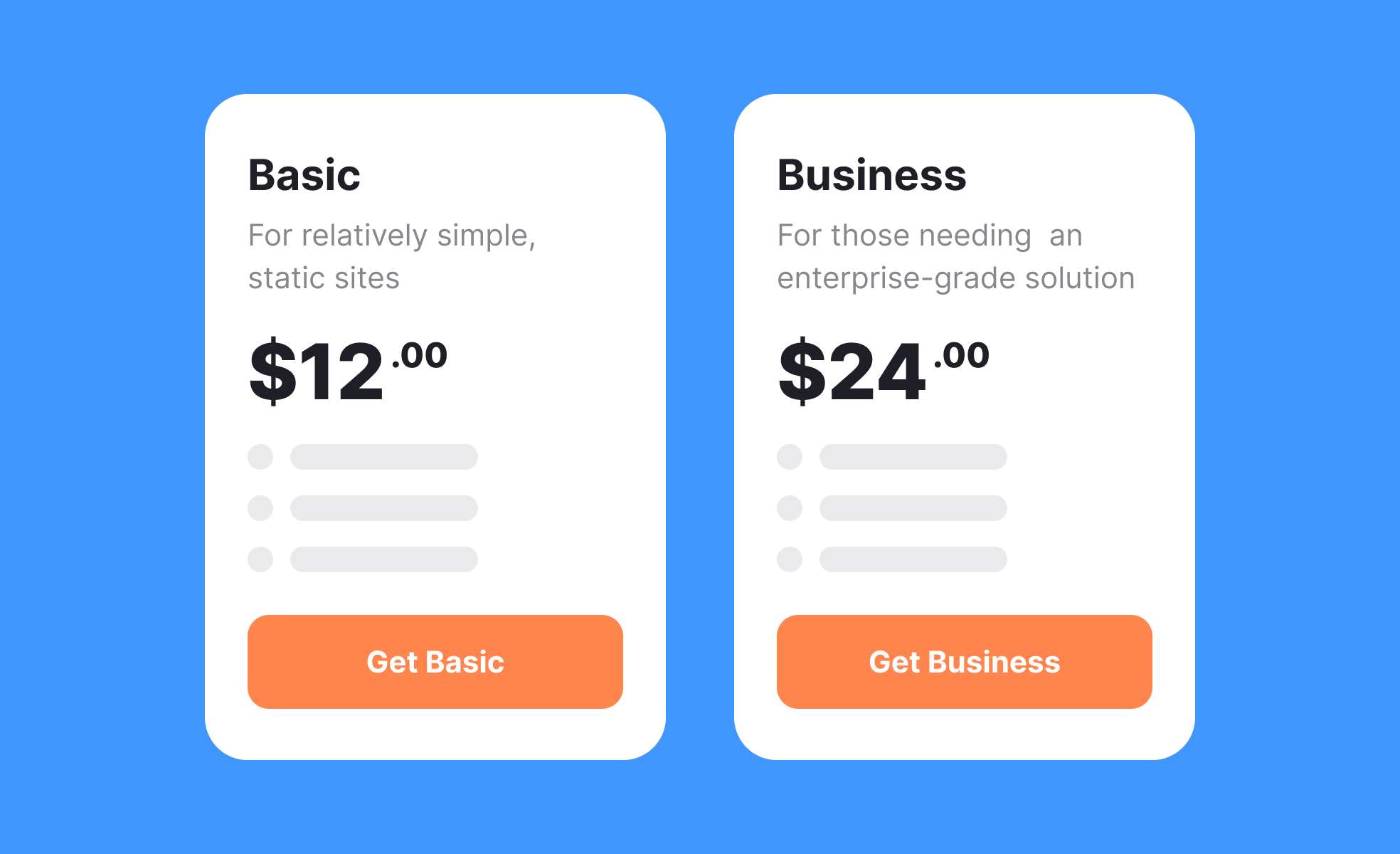
Pricing strategy is another frequent topic. Businesses must balance affordability with profitability, often experimenting with tiered plans. For example, a basic plan may provide essential features, while premium tiers include advanced functionality. This segmentation ensures subscriptions appeal to both casual and professional users.
Finally, subscriptions are evolving beyond simple access models. Hybrid approaches, such as combining subscriptions with in-app purchases or freemium tiers, help companies maximize reach while monetizing power users. The adaptability of the model explains its dominance in industries from software to media to physical goods.
Learn more about this in the Subscription Analytics Exercise, taken from the Revenue & Business Metrics Lesson, a part of the Product Analytics Course.


