



.svg)

Even the most carefully written product specification can fall apart if it ignores what stands in its way. Dependencies, constraints, and assumptions form the invisible framework that shapes how a product comes to life.
Dependencies reveal what must happen before something else can begin, ensuring teams build in the right order. Constraints define what cannot be changed: resources, time, or regulations that set clear boundaries. Assumptions capture what is believed to be true but not yet proven, turning uncertainty into trackable risks.
Documenting all three is not enough on its own. Each one needs to be aligned with all stakeholders before development begins. A dependency that only one team knows about, a constraint that hasn't been communicated, or an assumption that hasn't been validated can derail a project just as easily as a missing requirement. When everyone works from the same understanding, timelines are more realistic, ownership is clearer, and surprises are fewer.
Clarifying how dependencies shape product delivery
Every product depends on a chain of actions where one step enables the next. These links between tasks are called dependencies, and they define how smoothly a project moves from idea to release. When not identified early, they become the silent cause of delays, rushed fixes, and unclear expectations.
Dependencies are not only about process or functionality. While technical dependencies are usually managed by engineering, detecting dependencies across functional areas is a core product responsibility. Knowing that another team needs to adapt their workflow, that a separate area of the product needs to be updated, or that a third-party integration must be in place before development can proceed is essential information that belongs in the spec. Missing these connections is one of the most common reasons cross-functional projects stall.
Dependencies also make teams think in sequence. Before development begins, designs must be approved. Before launch, documentation and support channels must be ready. Listing these relationships in the product specification turns vague coordination into a clear structure. It helps every contributor understand where their work fits and when to expect input from others, transforming the specification from a static document into a living map of progress.[1]
Distinguishing internal and external dependencies

Not all dependencies are within the same scope of control. Internal dependencies occur inside the product team, such as a feature awaiting interface design or testing following development. These can be managed through sprint planning, shared timelines, and coordination meetings.
External dependencies, on the other hand, rely on actors or conditions outside the team’s influence. A release may depend on legal approval, a third-party vendor delivering assets, or another team finalizing an API. Because they are harder to predict, external dependencies need contingency plans and proactive communication.
Including both types of dependencies in a product specification makes planning more realistic. It signals where flexibility is needed and where coordination with external partners should start early. This awareness prevents small delays from growing into major blockers.
Classifying dependency types
Dependencies differ not only by who controls them but also by how tasks are related in time. Understanding these relationships helps product teams plan in a logical, predictable order rather than relying on intuition. When each dependency type is clear, scheduling conflicts can be reduced and collaboration becomes easier.
There are four main relationships between tasks:
- Finish-to-Start: one task must finish before another can begin, for instance, development completing before testing starts.
- Start-to-Start: both tasks can start once the first begins, such as content writing beginning after the first interface screens are designed.
- Finish-to-Finish: one task must finish before another can close, for example, localization ending only after copywriting is finalized.
- Start-to-Finish: one task cannot finish until another starts, such as a night support shift ending when the morning one begins.
Recognizing these types helps teams identify their critical path, the sequence of essential steps that defines the minimum time needed to deliver a product. Including this logic in the product specification ensures that dependencies are visible, timelines are realistic, and cross-team coordination becomes easier to track.
Visualizing and managing dependency chains
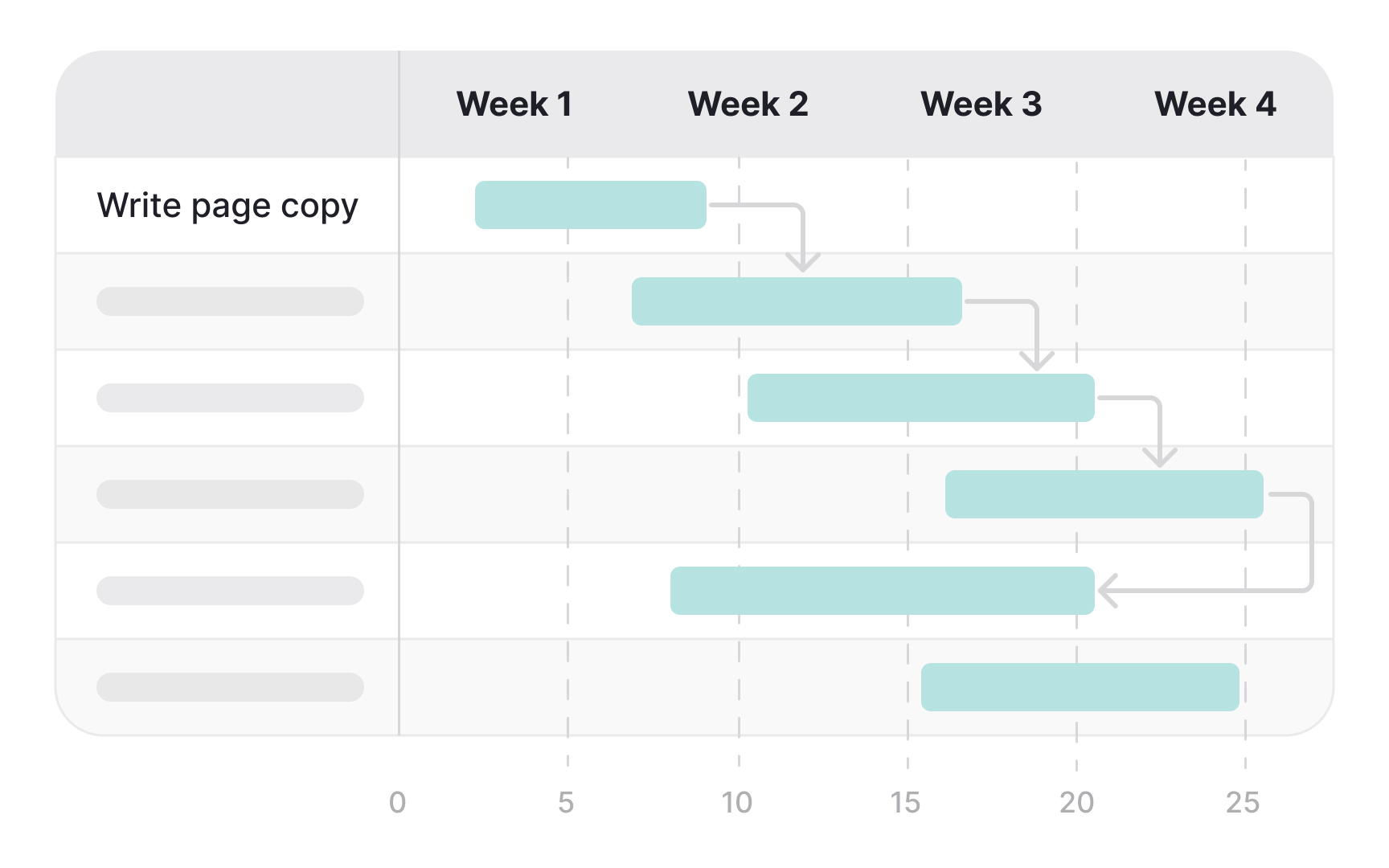
After identifying dependencies, the next step is to see how they connect. This is where dependency mapping becomes valuable. Tools like Gantt charts or network diagrams visualize the critical path, the sequence of tasks that determines when a project can finish.
Seeing these relationships helps teams focus on where a single delay can affect the overall outcome. For example, if user research is delayed, design and development both shift. Mapping such chains in the specification gives everyone visibility into where coordination matters most.
Managing dependencies well is not just about linking tasks but about communication. Reviewing these links regularly keeps the plan responsive and ensures that the specification reflects how the project evolves in real conditions, not only how it was initially planned.[2]
Spotting constraints that can derail a roadmap
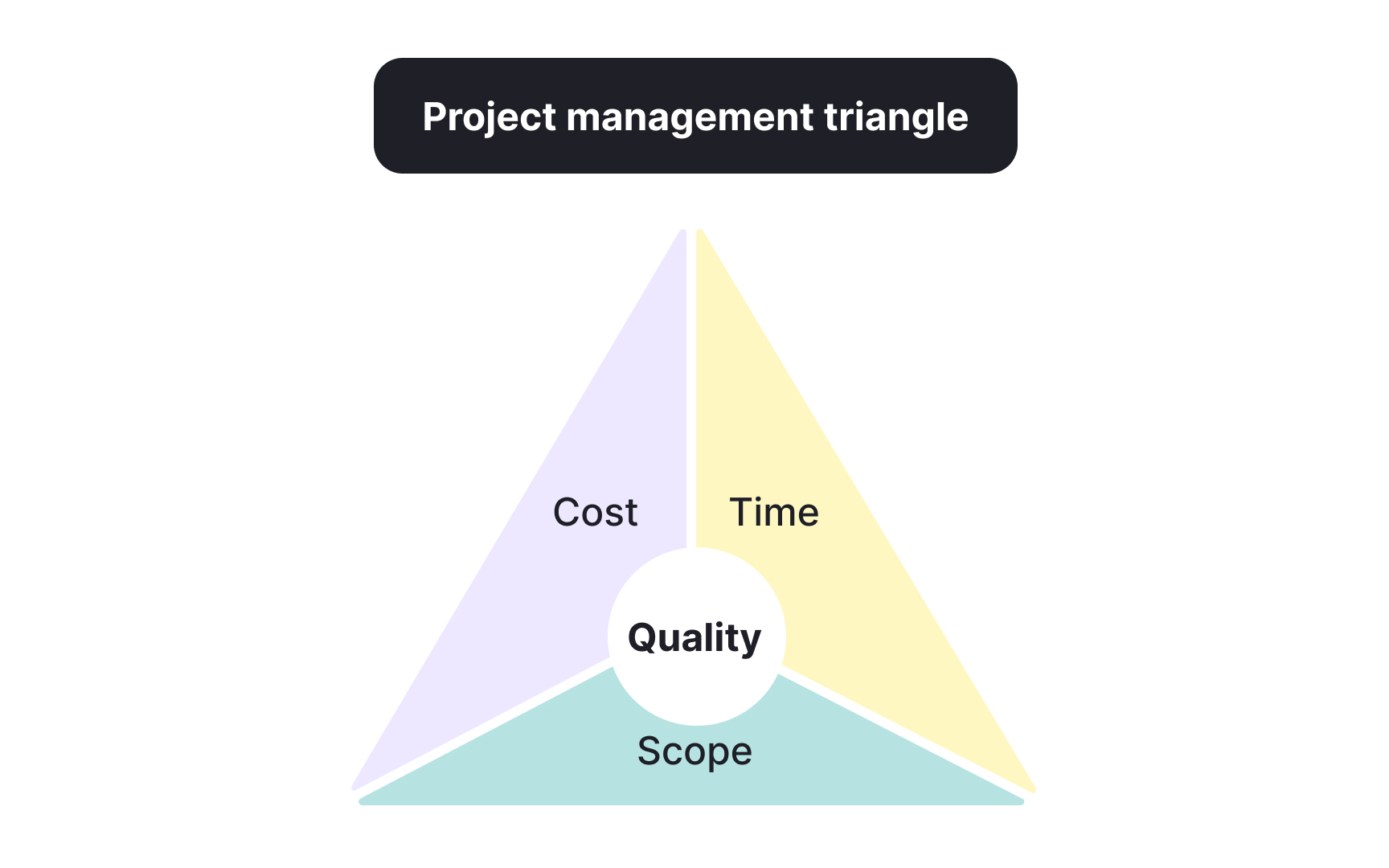
Constraints define the boundaries within which a product can evolve. They are the conditions that limit time, resources, or possibilities. While dependencies describe how work connects, constraints describe what restricts progress. Recognizing them early helps prevent costly surprises and unrealistic planning.
Typical constraints include:
- Limited budget
- Strict deadlines
- Legacy technology
- Legal or compliance requirements
These factors influence one another, which is why they are sometimes called the "project triangle" of time, cost, and scope. The key is knowing which side to adjust. If the deadline is fixed, manage the scope or bring in more resources. If only one person is available, dates or scope need to flex. Treating all three as non-negotiable at once is a reliable path to project failure.
Constraints can also appear mid-development at the functionality level. A payment method turns out to be technically blocked. A filtering option cannot be implemented as planned. When this happens, the spec needs to reflect the impact clearly and define what workarounds need to be created.
Listing constraints in the specification creates transparency about trade-offs so that decisions are made consciously, not reactively.
Applying the RIVER framework to manage constraints
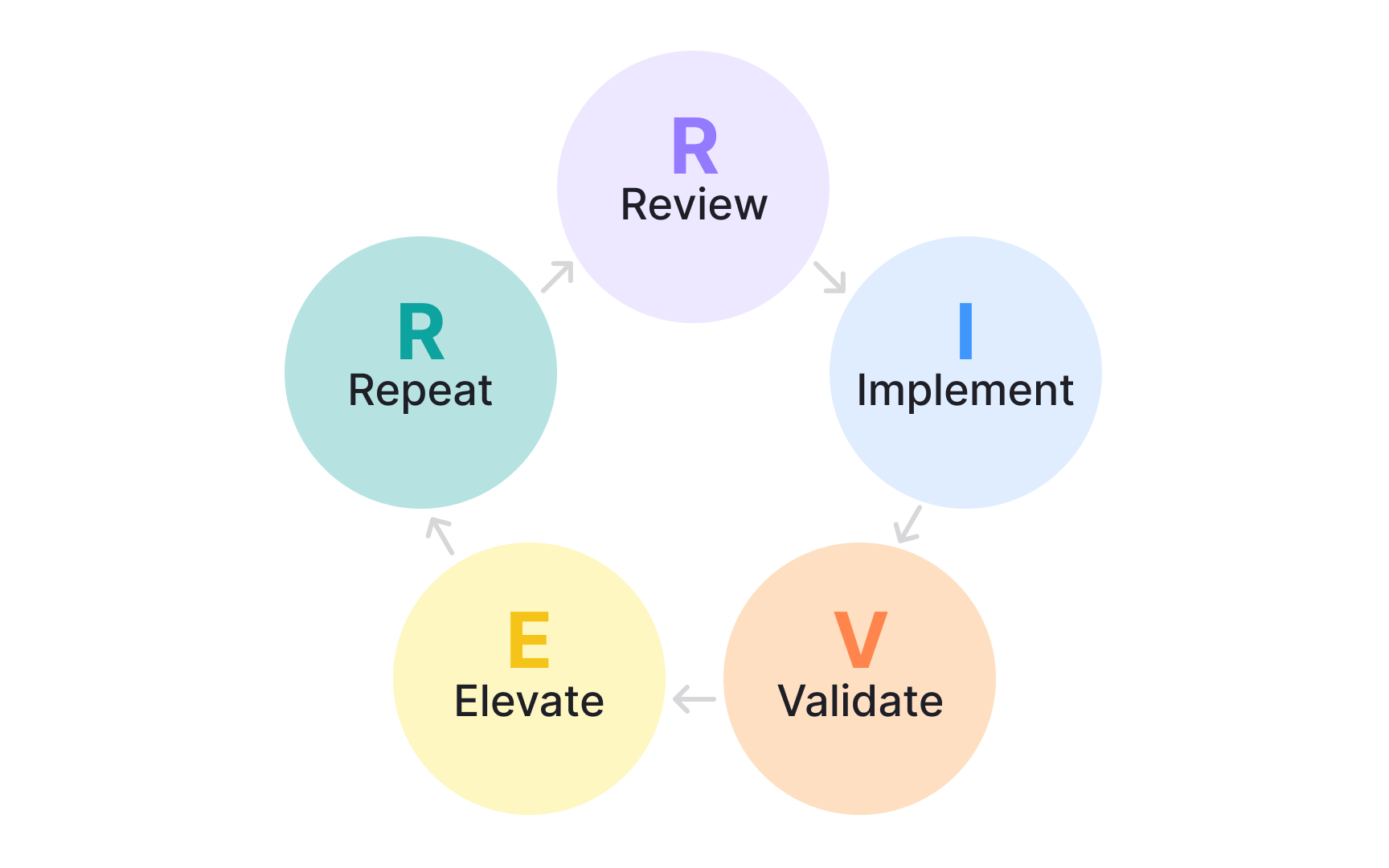
Managing constraints effectively means addressing them throughout the product lifecycle, not only during planning. The RIVER framework provides a structured way to do this through 5 repeating steps that help teams stay proactive and organized:
- Review compares current performance against product goals to identify where a constraint limits progress.
- Implement assigns ownership and defines how the team will act on those findings.
- Validate tracks whether the corrective steps are working, using measurable data such as cost, performance, or timing.
- Elevate comes into play when the team cannot resolve the issue alone and needs leadership support, extra resources, or a revised plan.
- Repeat ensures that this cycle continues regularly, preventing constraints from reappearing unnoticed later.
Documenting this process in the specification keeps constraint management visible and actionable. It turns a potential blocker into a continuous improvement loop that protects delivery quality and timing.[3]
Turning assumptions into measurable checks
Assumptions represent what the team believes to be true but cannot yet confirm. They often fill gaps during early planning when not all data is available. While assumptions can guide direction, leaving them untested creates hidden risks that may surface later in development.
Assumptions can span multiple areas. On the user side, a team might assume that users will prefer one workflow over another. On the technical side, they might assume that a third-party integration will perform as expected or that a new technology will scale reliably.
Dependencies carry assumptions too: that the work of one team will not be impacted by another, that decisions made in one part of the product will hold when a parallel workstream catches up, or that two features being developed simultaneously will integrate without conflict.
When assumptions are recorded in the specification, they should be phrased as testable statements rather than vague beliefs. Instead of writing "users will find onboarding intuitive," the assumption could read "80% of new users will complete onboarding within two minutes during usability testing." This form allows assumptions to be tracked and validated as part of ongoing research or technical proof. Once validated, they move into confirmed requirements. If disproven, they help refine the product direction instead of undermining it later.
Pro Tip! Keep a small table in the specification with each assumption, its evidence source, and how it will be verified. This makes learning from validation results a routine part of the product process.
Balancing dependencies, constraints, and assumptions in one view
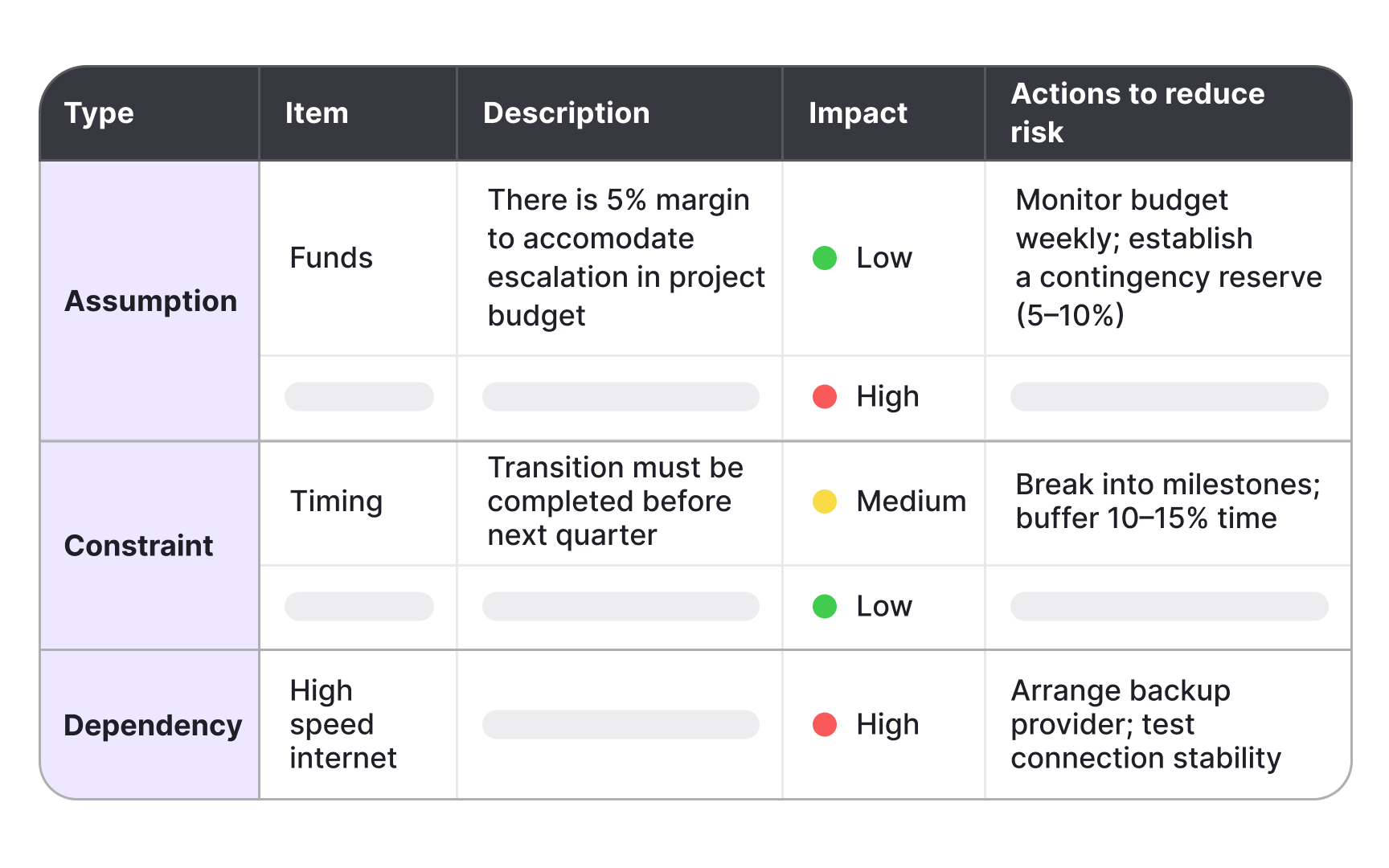
Dependencies, constraints, and assumptions rarely exist in isolation. Together, they form the system that defines whether a product specification remains realistic over time. A change in one often affects the others. A new dependency on an external vendor can introduce a timeline constraint, while an untested assumption may later challenge both cost and scope.
To manage this interconnection effectively, product managers can integrate DCA tracking directly into the specification. A simple structure can include a table listing dependencies with their owners, constraints with mitigation plans, and assumptions with validation status. Critically, each entry should also include the actions being taken to reduce its impact or risk. Knowing that a dependency exists is useful. Knowing what is being done about it is what keeps the project moving.
Linking each item to related features or risks helps updates happen automatically when plans change. Regularly revisiting this section during team reviews ensures the document stays aligned with current priorities, turning the specification into a living reference rather than a static plan. It helps everyone see how each factor influences delivery and encourages more informed discussions around trade-offs and decisions.
Identifying early warning signals in specs
Even when dependencies, constraints, and assumptions are well documented, their impact can shift over time. Small changes in context often signal deeper problems ahead. Learning to spot these warning signs in a specification helps teams react before issues turn into blockers.
Early signs might include vague ownership of critical dependencies, inconsistent timelines between teams, or assumptions that remain unverified after several sprints. Another indicator is a growing gap between planned and actual delivery dates, often revealing an overlooked external constraint. When such patterns appear, they should prompt a review of the DCA section of the specification rather than isolated troubleshooting.
Detecting these signals requires curiosity and regular attention. Specifications are not static but evolve as the product does. Reviewing them in sync with sprint retrospectives or roadmap updates ensures that potential risks are caught when they are still manageable.