

.svg)

Pricing is one of the most loaded decisions an early-stage company makes, yet most founders spend more time arguing over feature priorities than thinking through how they charge. That is a problem, because the pricing model shapes revenue timing, customer relationships, and the behaviors your commercial structure incentivizes. The models available span a wide range: freemium, subscription, usage-based, transaction-based, license, and hybrid combinations. Each has a different logic, a different cash flow profile, and a different fit with specific customer types and business stages. Picking one without understanding that logic is how companies end up with pricing that works against their own growth. Separate from the model is the question of what the price is anchored to. Cost-based pricing, the default for many founders, sets price relative to what the product costs to build. Value-based pricing inverts that logic: it sets price relative to the outcome the customer achieves. The difference in revenue captured can be substantial. How price is presented, the reference points you create, and the sequence in which options are shown all shape whether the number feels reasonable to the customer evaluating it.
Freemium pricing model
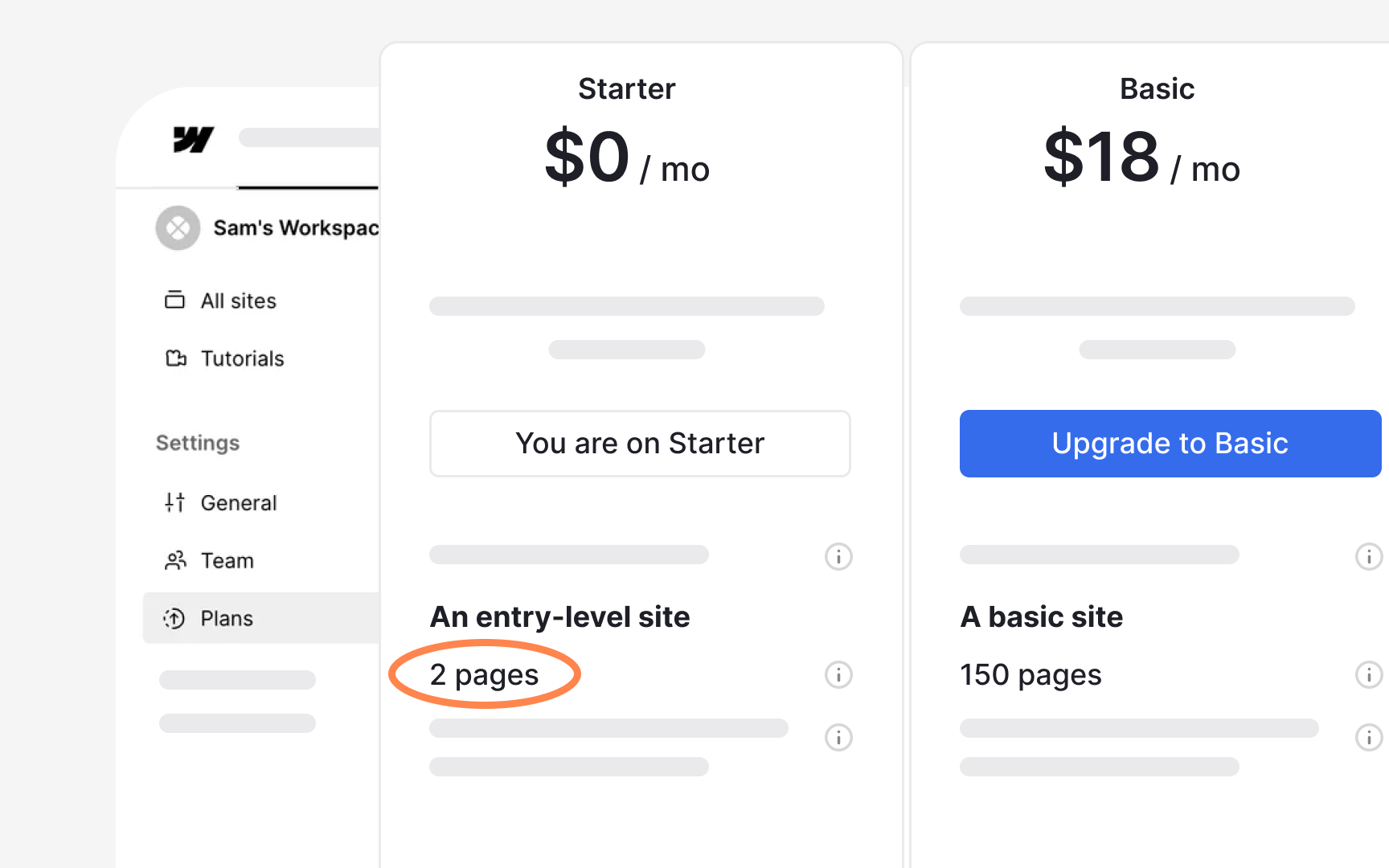

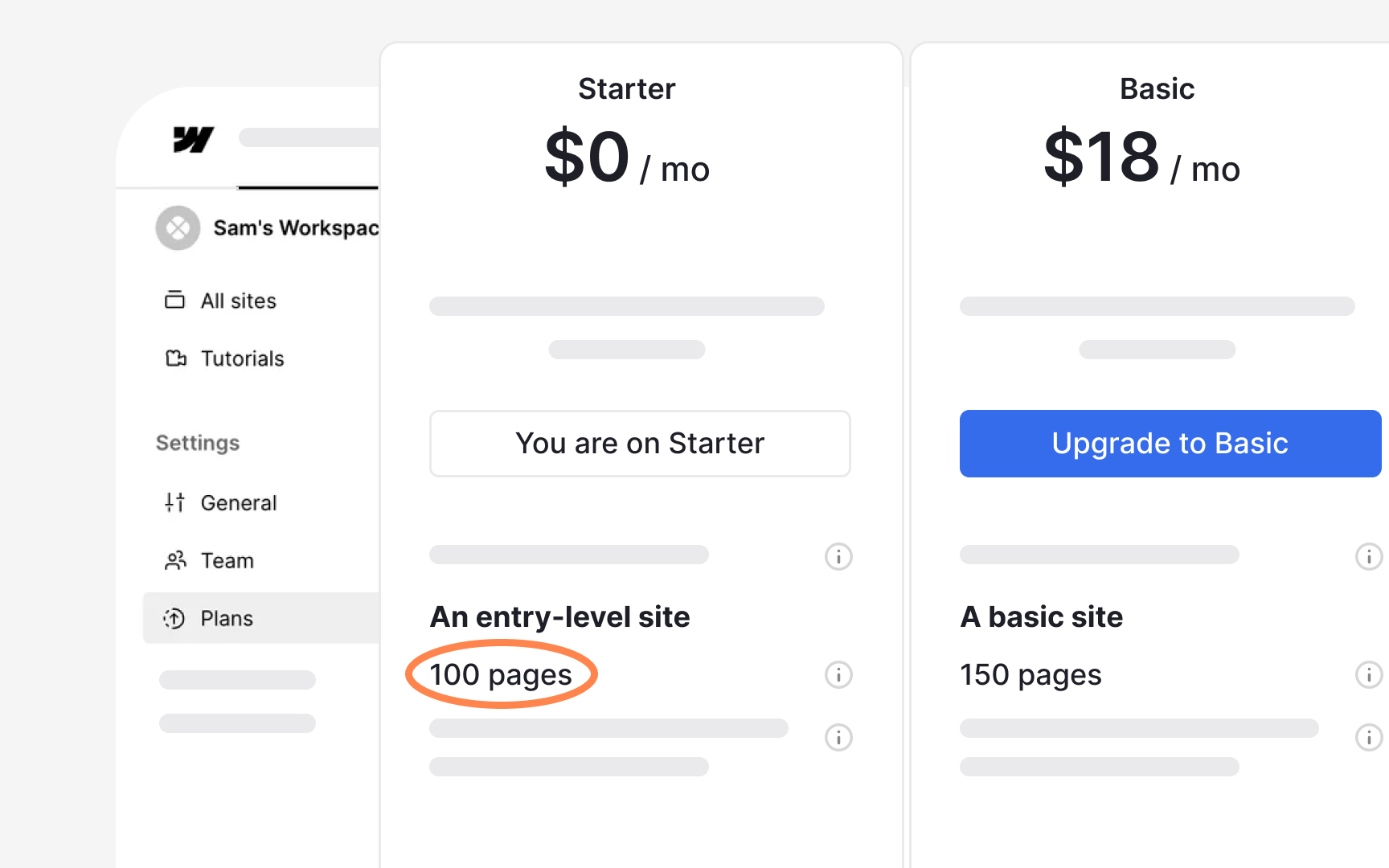

Freemium pricing offers a permanent free tier alongside a paid tier with full capabilities. The free tier functions as acquisition: users experience the product before converting. This model works when the product has genuine viral or network effects, when the free tier creates ongoing value that users are reluctant to abandon, and when conversion from free to paid follows naturally from usage rather than artificial restrictions.
The economic risk is real. Free users consume infrastructure, support, and product resources without generating revenue. Freemium conversion rates typically sit at 2 to 5%, which means up to 98 out of every 100 users acquired may never pay. If the cost to serve free users is high relative to revenue from paid ones, freemium damages unit economics.
The most common mistake is calibrating the free tier poorly. Too little value, and users have no reason to stay. Too much, and they have no reason to upgrade. The free tier should deliver real, ongoing utility while reserving the features that matter most to serious users for the paid plan. Dropbox built its early user base this way, converting a small fraction of a large free base into a sustainable paid business.[1]
Subscription pricing model
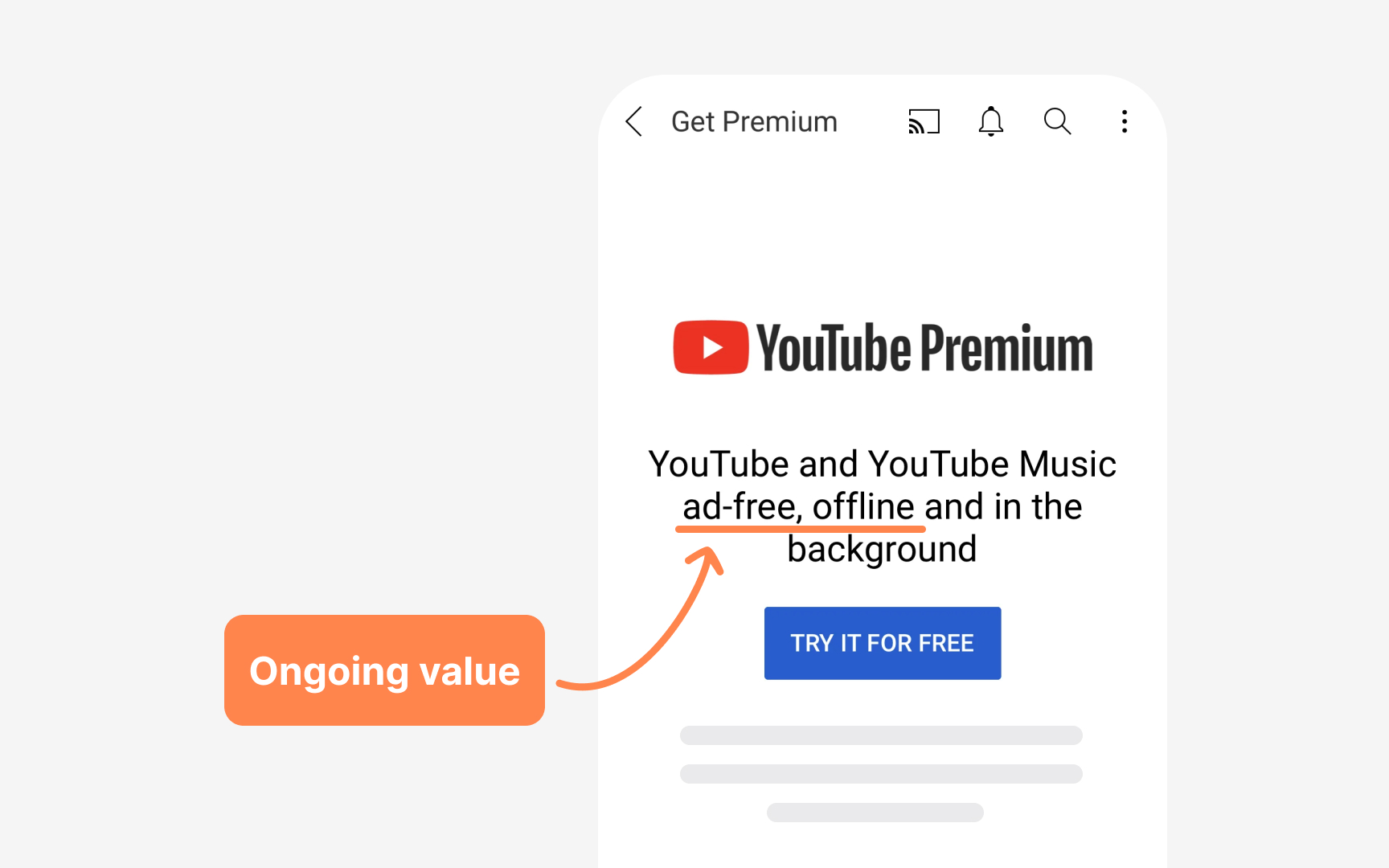
Subscription pricing charges a recurring fee, flat rate, or tiered rate for ongoing access to a product. It is the most widely used model in SaaS because it creates predictable revenue that makes business planning and investor reporting significantly easier. For customers, it simplifies budgeting: a fixed monthly or annual cost is easy to approve and renew.
The core trade-off is that subscription revenue does not distinguish between power users and passive ones. A team that uses your product daily and one that logs in once a month pays the same fee. That asymmetry can feel inequitable to heavy users and wasteful to light ones, and it creates structural pressure to demonstrate continuous value, or customers will not renew. Subscription works best when the product delivers consistent, repeatable value over time, when customers have predictable budget cycles that accommodate fixed recurring costs, and when the relationship between usage and value is difficult to meter directly. For most B2B products with consistent use cases, subscription remains the default starting point because of its simplicity and revenue stability.[2]
Usage-based pricing model
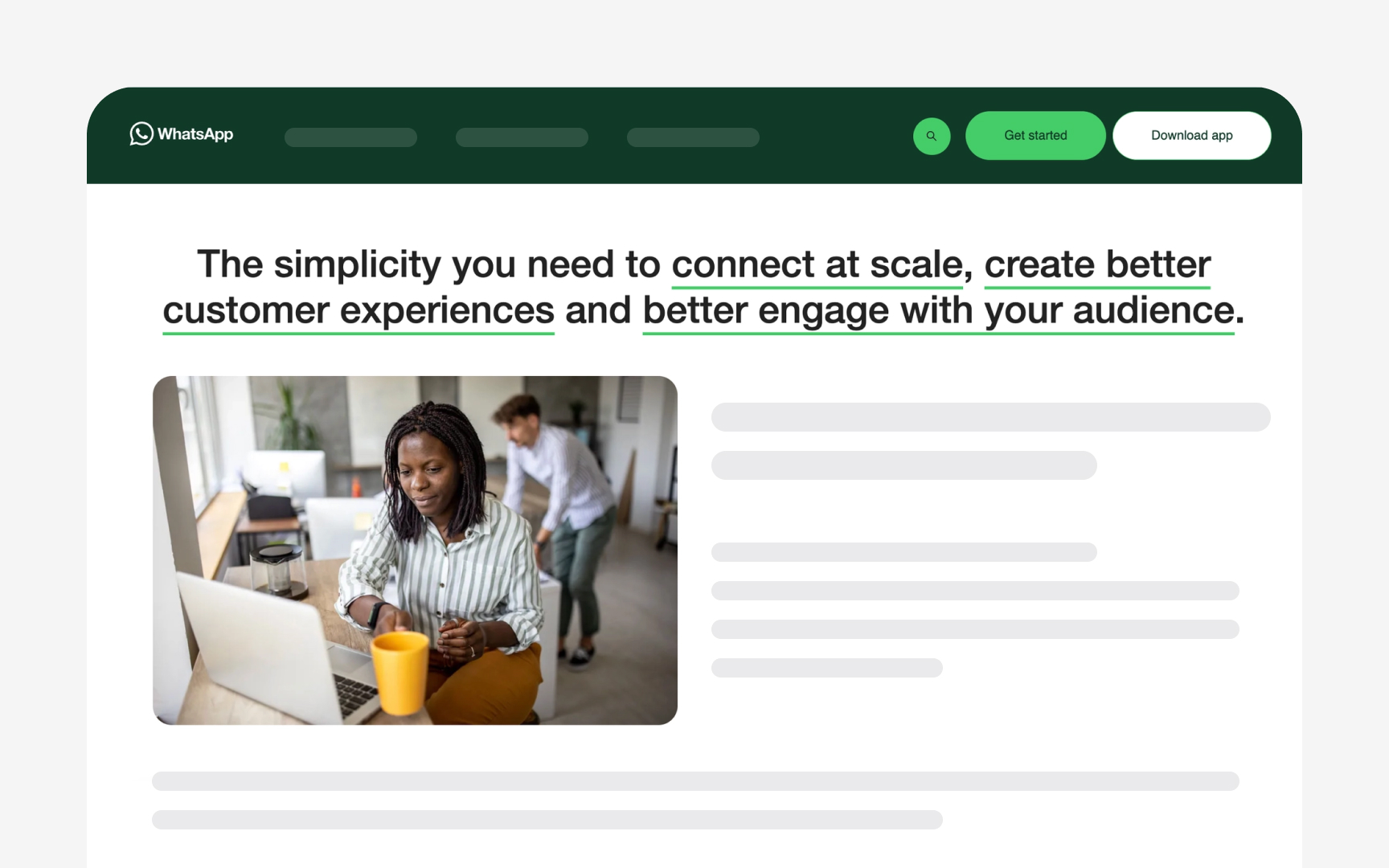
Usage-based pricing charges customers in proportion to their actual consumption: API calls, messages sent, transactions processed, or active users per month. The model aligns price closely with the value customers receive, a quality customers tend to perceive as fair. It also lowers the barrier to adoption, since costs scale with use rather than requiring full commitment upfront. The challenge is unpredictability. For customers, usage-based bills can be difficult to budget accurately, particularly in fast-moving environments where consumption fluctuates month to month. AWS customers famously encounter billing surprises as they scale. For the business, revenue forecasting becomes harder, and cash flow visibility is lower than in a subscription model.
Usage-based pricing works best when the product is embedded in a revenue-generating activity for the customer, when consumption is a reliable proxy for value, and when variability in usage is expected. It also acts as a natural land-and-expand mechanism: customers can start small and increase spend as they realize more value, making the initial deal easier to close and the account easier to grow.[3]
Pro Tip! Usage-based pricing often works best as a land-and-expand lever: low-commitment entry, natural growth as value increases.
Transaction-based pricing model
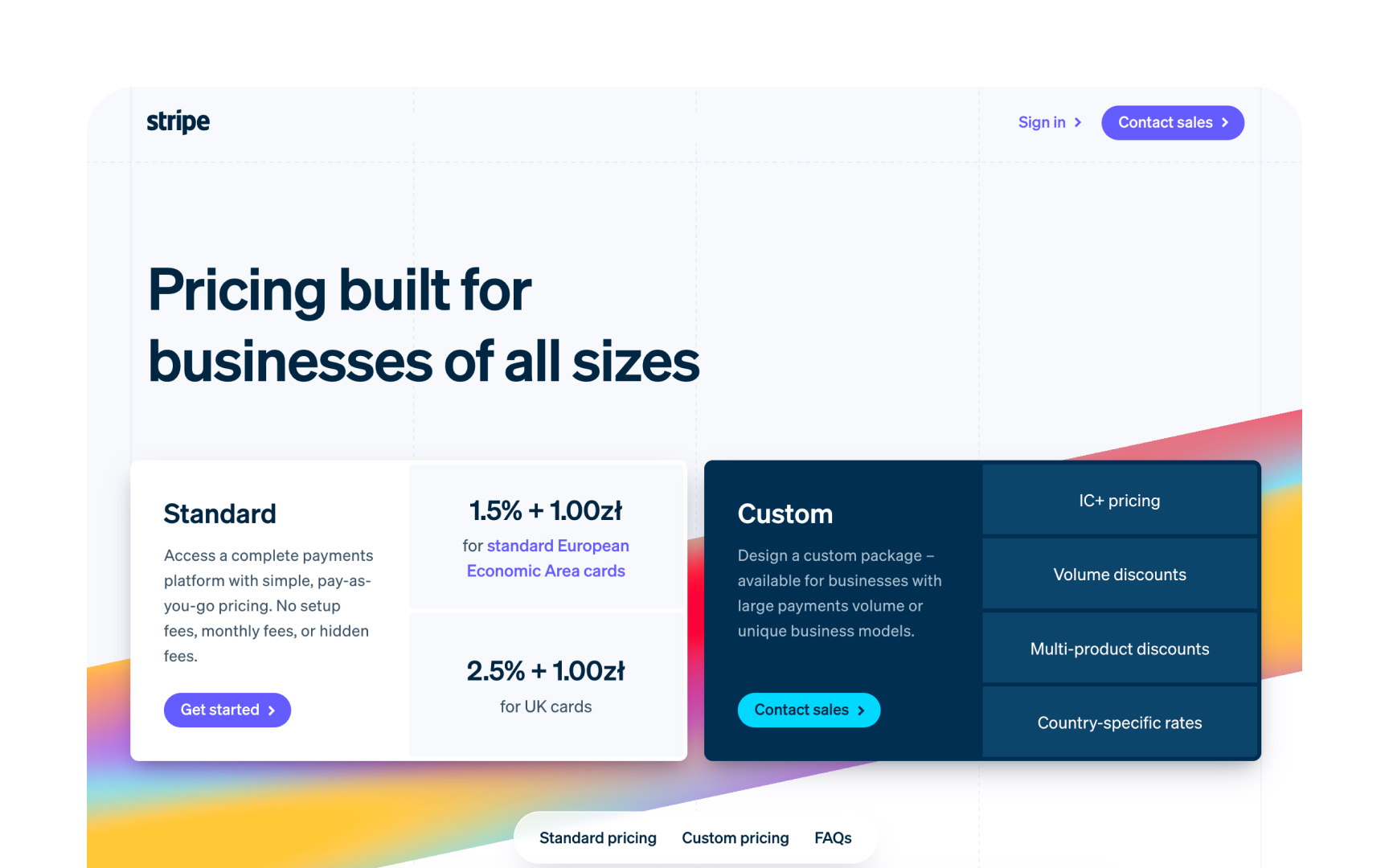
Transaction-based pricing charges a fee per transaction or sale processed. Marketplaces and payment infrastructure companies use this model because the product is embedded in a revenue-generating event for the customer. When you help customers make money, you take a fraction of it. Stripe, for example, charges a percentage of each payment processed.
This model makes economic sense when a clear, countable transaction anchors the relationship between product use and business outcome. It is difficult to apply when usage does not tie directly to monetizable events. A project management tool rarely produces a clean transaction to meter, which is why those products typically use subscription or seat-based models. Transaction-based pricing creates strong alignment between the vendor and the customer. Both benefit when transaction volume grows. The vendor has a direct incentive to help customers scale, because growth in customer revenue produces growth in vendor revenue. The downside is concentration risk: revenue becomes dependent on transaction volume, which can be volatile during economic downturns when overall business activity contracts.
License pricing model
License pricing charges for the right to use software, typically as an upfront annual or multi-year fee. Oracle Database is a well-known example: companies pay a large upfront license fee to run the software on their own servers, with the cost scaling based on the number of processor cores it runs on. The vendor receives predictable cash upfront, and the customer locks in access at a known cost. The fundamental weakness is misaligned incentives. Once a license is sold, the vendor has limited financial motivation to demonstrate continued value until the next renewal cycle. Problems could persist for months without threatening near-term income, which is why customer success as a discipline was far less developed under the license model than under subscription-based alternatives.
License pricing still appears in enterprise deals, particularly for on-premises deployments where software lives inside customers’ own infrastructure. In those contexts, the upfront payment reflects both the access fee and the significant implementation investment the customer is making. For cloud-delivered software where renewal is a recurring decision, license pricing has largely given way to models that create stronger ongoing accountability to customer value.[4]
Cost-plus vs. value-based pricing
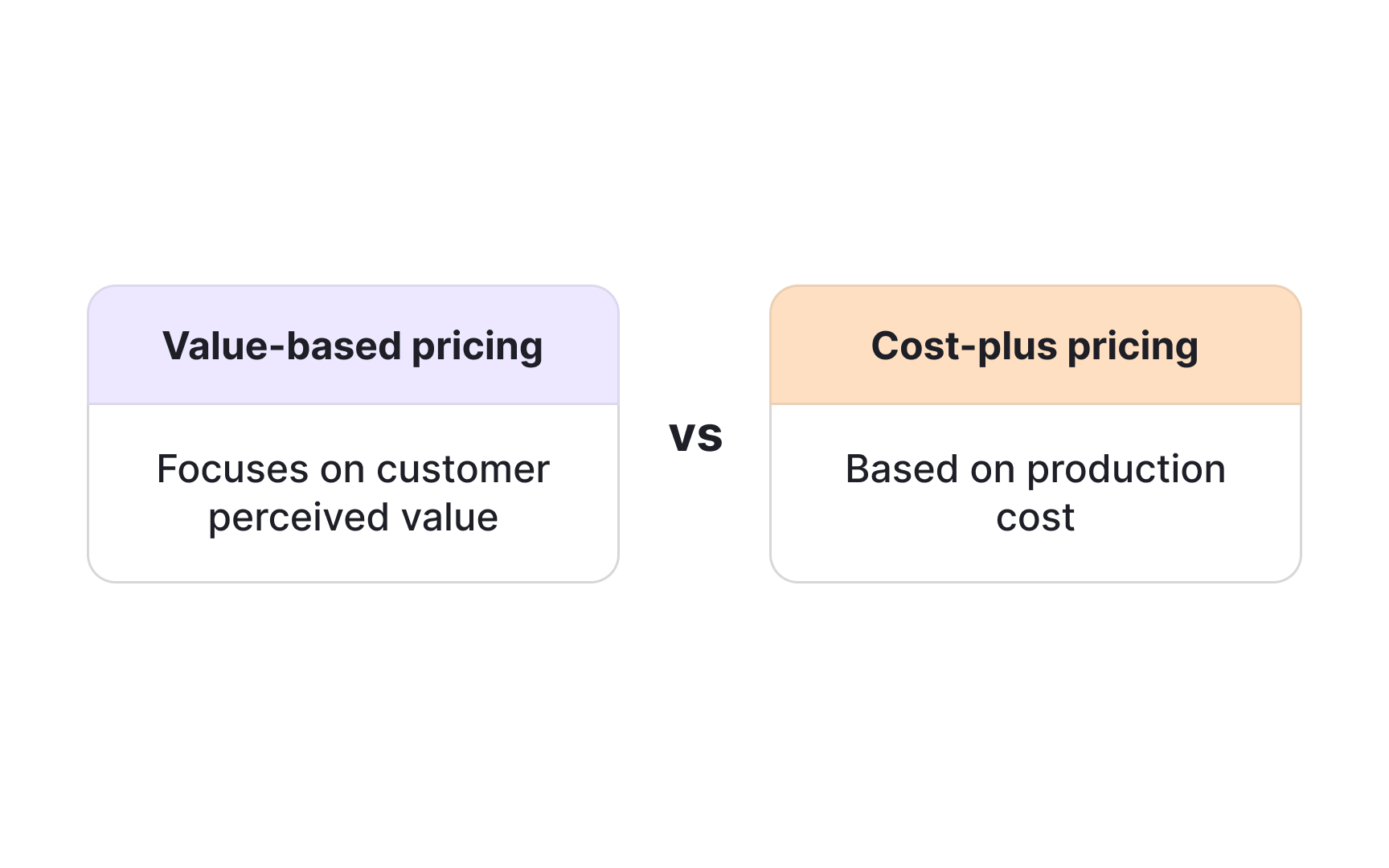
Cost-plus pricing is the instinctive starting point for many founders: calculate what the product costs to build and operate, add a margin, and set the price. It feels rational because it guarantees covering costs. For software and service businesses, it is almost always the wrong approach.
The core problem is that cost bears no relationship to value. A product that costs $30 per month to serve might eliminate a compliance problem that costs a legal team $200,000 per year. Pricing at cost plus a margin produces a number that leaves the difference between cost and value on the customer's side of the equation.
Value-based pricing reverses this logic. It starts with 3 questions:
- What does it cost the customer if the problem stays unsolved?
- How much revenue or savings does the solution create?
- What do the real alternatives cost in total?
A growth lead whose team spends 40 hours per week on manual reporting, at $80 per hour, is losing $3,200 per week to a solvable problem. A solution priced at $2,000 per month that eliminates that cost is not expensive relative to what it replaces. That difference is the foundation of a value-based price.
Pro Tip! A useful value-based starting point: estimate the cost of the problem your product solves, then price at 10-20% of that value. Customers keep 80-90% of the value created, and you capture a defensible share.
Hybrid pricing model
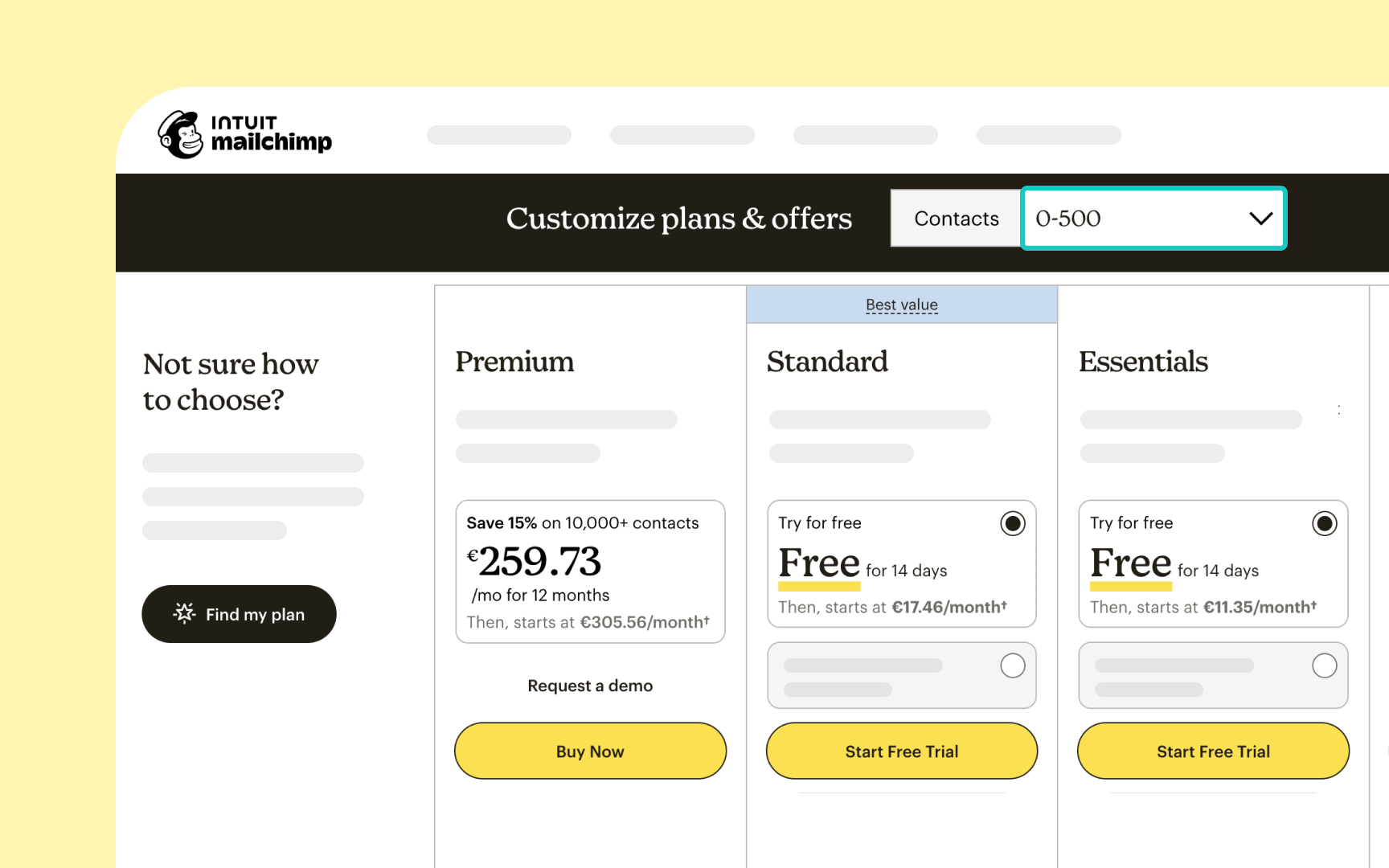
Hybrid pricing models combine elements of different structures to capture the benefits of more than one approach. The most common hybrid in B2B SaaS is a subscription-based model with usage-based components: a fixed monthly fee for access and a variable fee for consumption above a baseline threshold.
The appeal is that hybrid models balance the revenue predictability of subscription with the value alignment of usage-based pricing. Customers get predictable base costs while knowing that incremental usage costs scale with incremental value. Vendors get a floor of recurring revenue while capturing upside from heavy users. Mailchimp uses this structure: a tiered base plan with an email volume component that rises as subscriber lists grow.
Hybrid models introduce complexity. The billing logic is harder to explain and forecast operationally. For early-stage companies, that complexity can be a distraction before the pricing model itself is validated. The right time to move toward a hybrid is when a simpler model creates clear problems: either subscription is leaving value uncaptured from heavy users, or a pure usage model is making predictable revenue difficult to achieve.[5]
Price anchoring and reference points
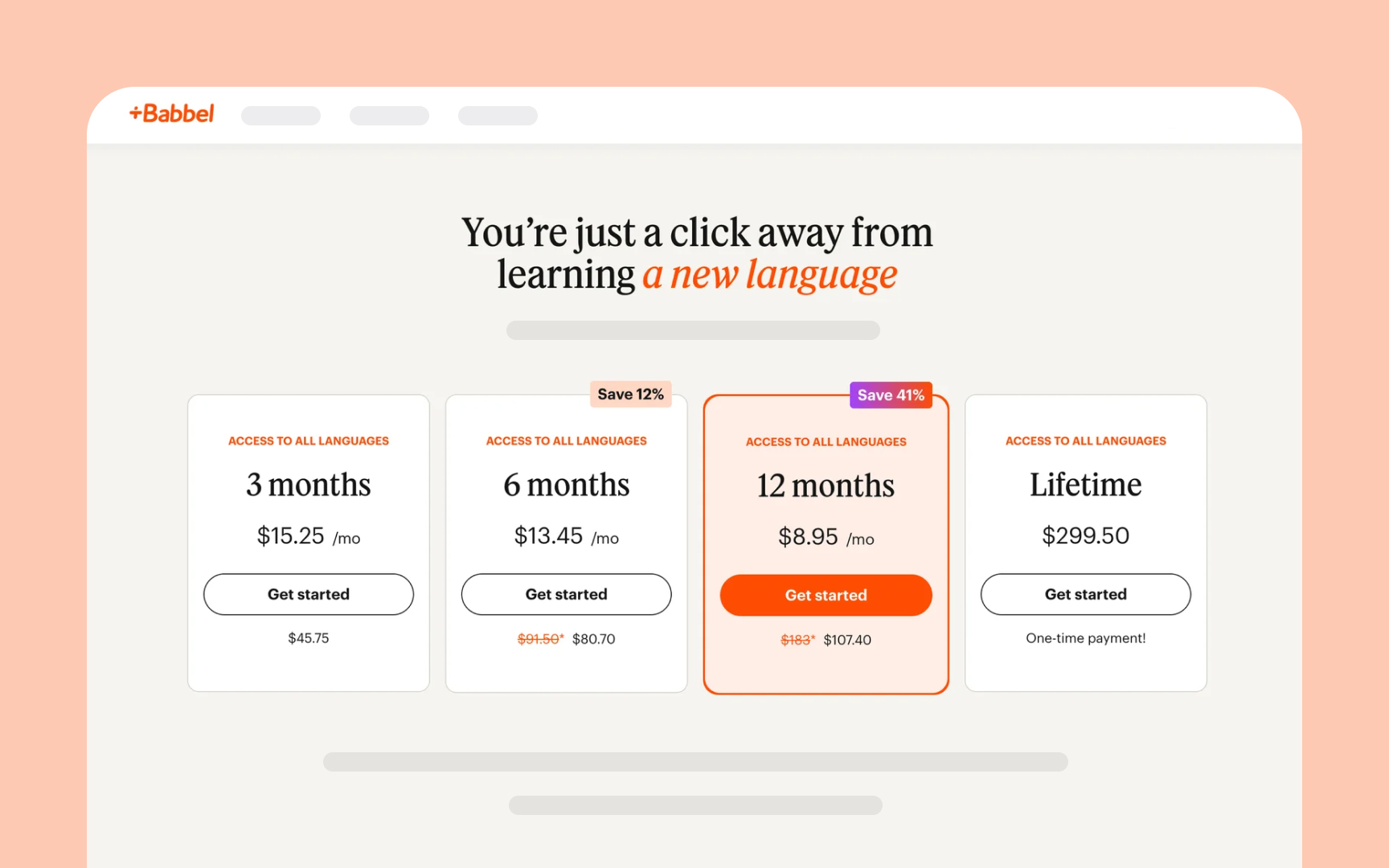
Customers do not evaluate prices in absolute terms. They evaluate them relative to reference points, and those reference points are shaped by how prices are presented. A price of 500 euros per month and a price of 6,000 euros per year are identical, but they feel different. Presenting an annual fee on a monthly basis is one of the simplest and most widely used anchoring techniques in SaaS.
The same logic applies to tiered pricing. When a higher-priced option is shown alongside the target option, the target appears more reasonable by comparison. Software companies display expensive enterprise plans prominently, not because most buyers will choose them, but because they make the mid-tier option look like a better value.
Introductory pricing creates a different anchor: the initial low price becomes customers’ reference point, making the full price feel like a deliberate step up rather than an arbitrary number. These are not manipulative tricks. They are basic psychological realities about how humans process value. Understanding them shapes not just what you charge, but how you communicate it, which is often the difference between a price that closes and one that stalls.[6]
Pro Tip! The comparison set you show alongside your price shapes perception as much as the price itself does.
Build a complete pricing approach for a given business
Choosing a pricing model, anchoring a price to customer value, and deciding how to present it are three decisions that founders often make independently. In practice, they work as one:
- The model determines the commercial structure.
- The value-based anchor determines the number.
- The presentation determines whether that number feels reasonable or arbitrary.
Consider a B2B SaaS tool that automates invoice processing for small accounting firms. It replaces roughly 10 hours of manual work per week per firm. At an average billing rate of 80 euros per hour, that is 800 euros per week in recovered capacity, or around 3,200 euros per month. A subscription model fits: the value is delivered continuously, usage is consistent, and customers budget monthly. A price of 300 euros per month captures around 10% of the value created. Presented alongside a 600 euros per month competitor, it anchors well.
This is the full pricing decision: model, anchor, and presentation working together. Changing any one of the three changes how the customer experiences the price, even if the number stays the same. Founders who get all 3 right have a pricing approach. Founders who get only one have a number.[7]
Topics
References
- Freemium vs Subscription in SaaS (2025): Which is Best - ATOZDEBUG | ATOZDEBUG
- Pricing Models Explained: Usage-Based vs Subscription Pricing | Zylo
- Subscription vs. Usage-based Pricing: Choosing The Right Model For Your SaaS Business
- Guide to SaaS Pricing Models: Strategies and Best Practices | Maxio
- SaaS Pricing Models: The 2026 Guide to 6 Winning Strategies | Revenera Blog
- Price Anchoring Strategy: How It Shapes Customer Perception
- Value-Based Pricing for B2B Software: What Most Companies Get Wrong | Software Pricing