.svg)

Growth doesn't happen by accident. Product teams rely on proven frameworks to guide acquisition, measure user experience impact, and position products effectively against competitors. These strategic models provide structure for making decisions that drive sustainable growth rather than relying on intuition alone. The AARRR framework breaks customer journeys into five measurable stages, helping teams identify where users drop off and where to focus improvement efforts. Product-led growth flips traditional sales models by making the product itself the primary driver of customer acquisition. The HEART framework connects user experience metrics to business outcomes, showing which design decisions actually matter. Beyond frameworks, positioning determines how customers perceive your product relative to alternatives. Clear differentiation communicates what makes your offering unique, while value propositions explain the overall benefits customers receive. Understanding the competitive landscape reveals where opportunities exist and which battles are worth fighting. These concepts work together to inform strategy, prioritize features, and communicate value in ways that resonate with target audiences.
AARRR framework
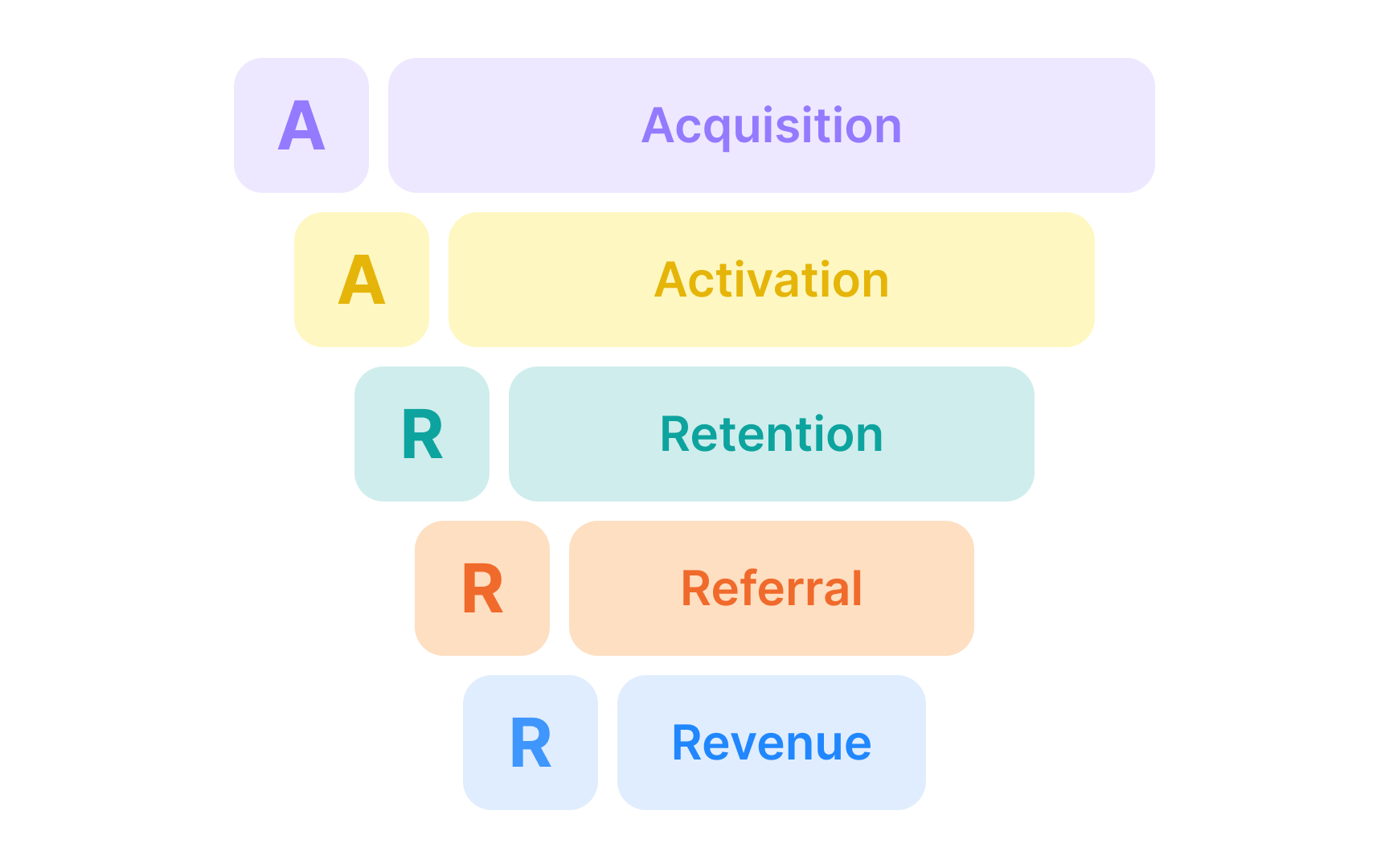
The AARRR framework organizes growth into 5 sequential stages that map the complete customer journey from discovery to advocacy. Also called pirate metrics, the acronym stands for acquisition, activation, retention, referral, and revenue. Dave McClure introduced this model to help startups focus on metrics that directly impact business health rather than vanity numbers like social media followers. Each stage targets a specific growth question:
- Acquisition measures how people discover your product through channels like search, ads, or social media.
- Activation tracks whether new users experience value quickly enough to become engaged customers.
- Retention reveals if users continue finding value over time, as keeping existing customers costs less than acquiring new ones.
- Referral captures word-of-mouth growth when satisfied users recommend the product to others.
- Revenue measures monetization behaviors like upgrading to paid plans or renewing subscriptions.
Product teams use AARRR to diagnose growth problems systematically. If sign-ups are high but activation is low, the onboarding experience needs improvement. If activation succeeds but retention fails, the product may not deliver ongoing value. Each metric requires different strategies, so the framework helps prioritize where to invest resources. Companies track these metrics separately for different customer segments since enterprise users and individual consumers often show different patterns across the funnel.[1]
Pro Tip! Track one or two AARRR stages that align with your current business priorities rather than monitoring all 5 simultaneously.
Product-led growth (PLG)
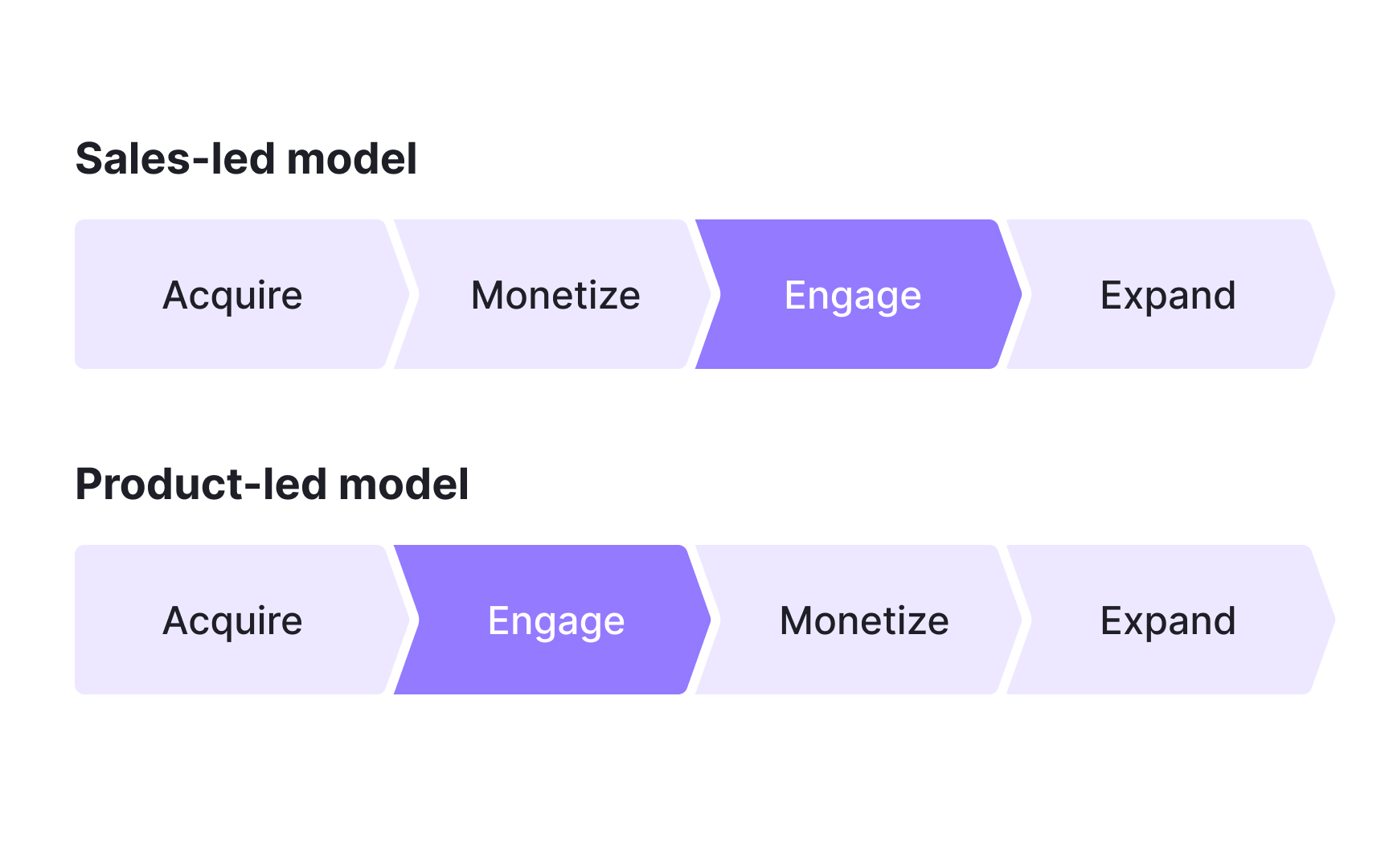
Product-led growth uses the product itself as the primary driver of customer acquisition, activation, and retention rather than relying on sales and marketing teams. Users experience value directly through free trials or freemium models, reducing friction and accelerating adoption. Slack and Dropbox exemplify PLG by letting users start immediately without sales conversations. PLG requires building products that deliver value quickly with intuitive interfaces. This works best for products with clear use cases where the product sells itself through user experience. Network effects amplify PLG when products become more valuable as people use them, naturally encouraging users to invite colleagues and friends. Teams measure PLG success through specific metrics:
- Product-qualified leads (PQLs) identify users whose engagement signals purchase readiness.
- Time-to-value tracks how quickly users reach their first success moment.
- Activation rate measures the percentage of sign-ups completing key onboarding steps.
- Viral coefficient reveals how many new users each existing user brings.
These metrics focus on product experience rather than sales pipelines.[2]
Pro Tip! PLG works best when users experience their first success moment within the first session, not days later.
HEART framework
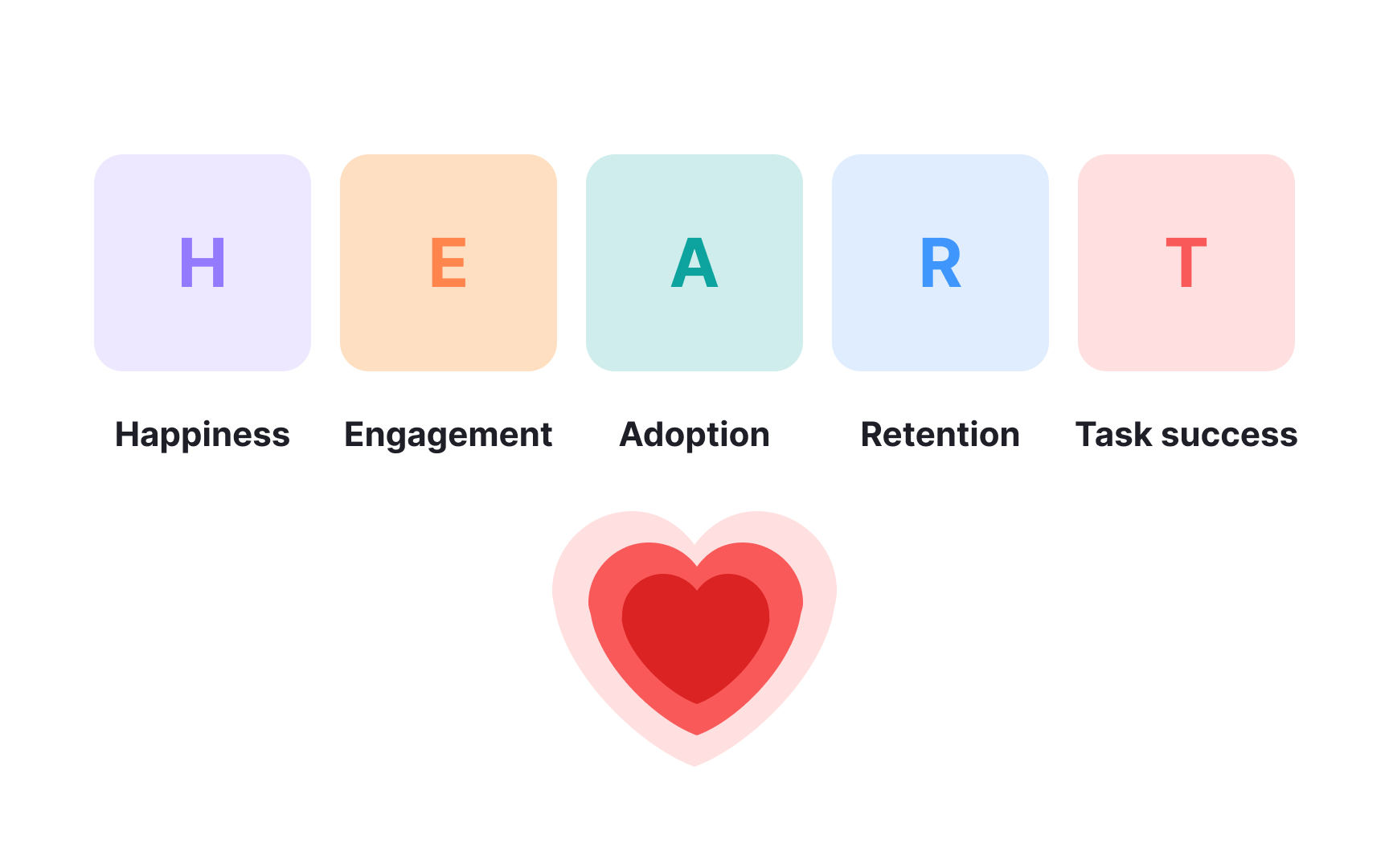
Google researchers developed the HEART approach because traditional UX methods worked well for small-scale studies but failed to connect user experience improvements to business outcomes at scale. HEART bridges this gap by translating design decisions into measurable impacts. The approach measures user experience quality through 5 metrics:
- Happiness measures user attitudes through surveys and Net Promoter Scores, revealing satisfaction levels.
- Engagement tracks interaction frequency and intensity, showing how deeply users involve themselves with the product.
- Adoption counts new users trying features or upgrading to paid plans.
- Retention monitors how many users return over time, indicating sustained value delivery.
- Task success assesses completion rates and error frequency, demonstrating whether users can accomplish their goals efficiently.
Teams implement HEART using the Goals-Signals-Metrics process. First, define what success looks like for a specific feature or product area. Then identify observable user behaviors that signal progress toward that goal. Finally, choose quantifiable metrics that measure those signals. Not every project requires all 5 HEART categories. Teams select the one or two metrics most relevant to their current focus, whether improving onboarding satisfaction or increasing feature adoption rates.[3]
Value proposition
A value proposition clearly communicates the overall benefits a product delivers to customers, answering why someone should choose your offering over alternatives. It encompasses all aspects of customer value, from practical benefits like saving time to emotional benefits like reducing stress. While competitors may offer similar features, your value proposition explains the complete experience customers receive. Effective value propositions address 3 elements:
- Who the customer is
- What problem needs solving
- How your solution delivers superior results
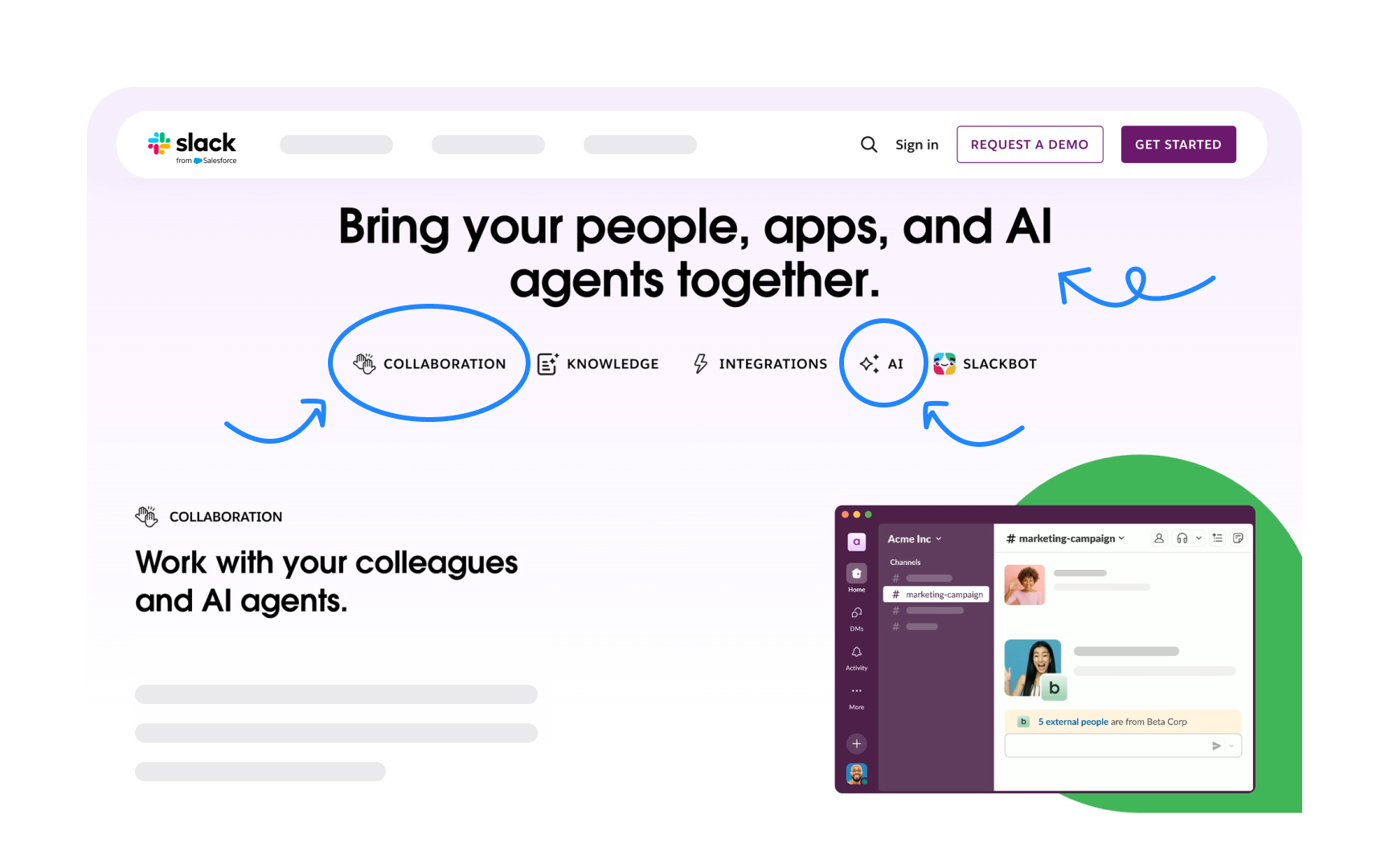
The statement should be concise yet comprehensive, capturing both tangible and intangible benefits. For example, Slack's value proposition emphasizes streamlining team communication beyond what email provides, focusing on improved productivity and collaboration rather than just listing chat features. Value propositions differ from unique selling propositions in scope. A value proposition covers the broad range of benefits customers receive, while a USP focuses narrowly on one specific differentiator. Creating a strong value proposition requires understanding customer needs deeply through research and feedback. Product teams refine value propositions over time as they learn which benefits matter most to different customer segments, often discovering that what they thought customers valued differs from what actually drives purchase decisions.[4]
Unique selling proposition (USP)




A unique selling proposition identifies the single most compelling feature or benefit that distinguishes your product from competitors. Unlike a value proposition that describes overall benefits, a USP zeroes in on one specific advantage that makes your offering superior or different. This focused claim must be something competitors cannot or do not offer, creating a clear reason for customers to choose your product.
Effective USPs communicate quickly and memorably. M&M's used "melts in your mouth, not in your hand" to highlight a practical convenience benefit that addressed a common chocolate problem. FedEx built its brand on "When it absolutely, positively has to be there overnight," emphasizing reliability and speed. The best USPs address genuine customer pain points with features that actually deliver on the promise, as claims that don't match reality damage credibility and trust.
Creating a strong USP requires analyzing both customer needs and competitive offerings. What frustrates customers about existing solutions? What capabilities do competitors lack? The intersection of unmet customer needs and your unique capabilities reveals potential USPs. However, not every differentiating feature makes a good USP. The distinction must matter enough to customers that it influences purchase decisions, and your organization must be able to deliver consistently on the promise to maintain market position.[5]
Pro Tip! Address specific pain points with clear promises when creating a USP.
Product positioning
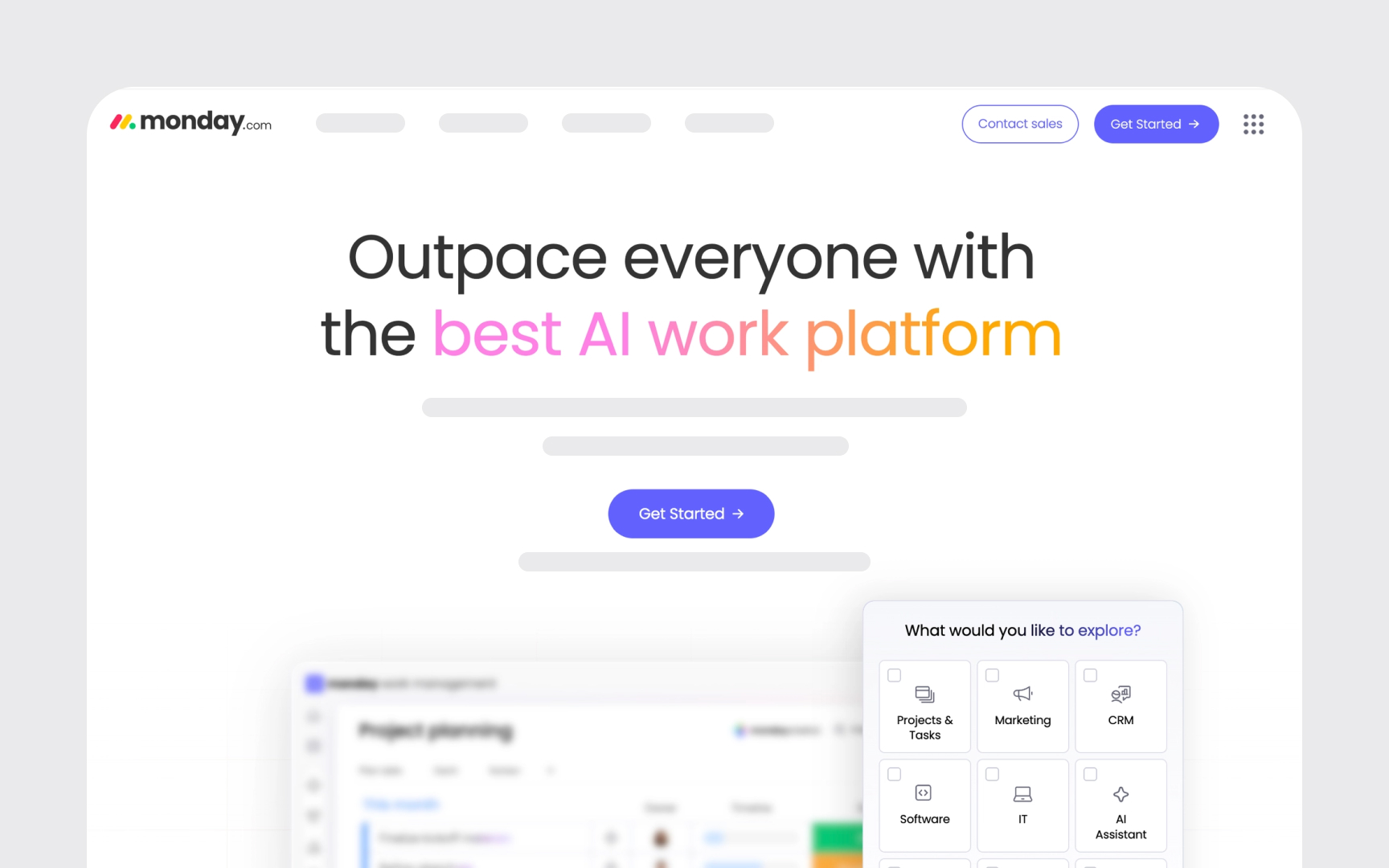
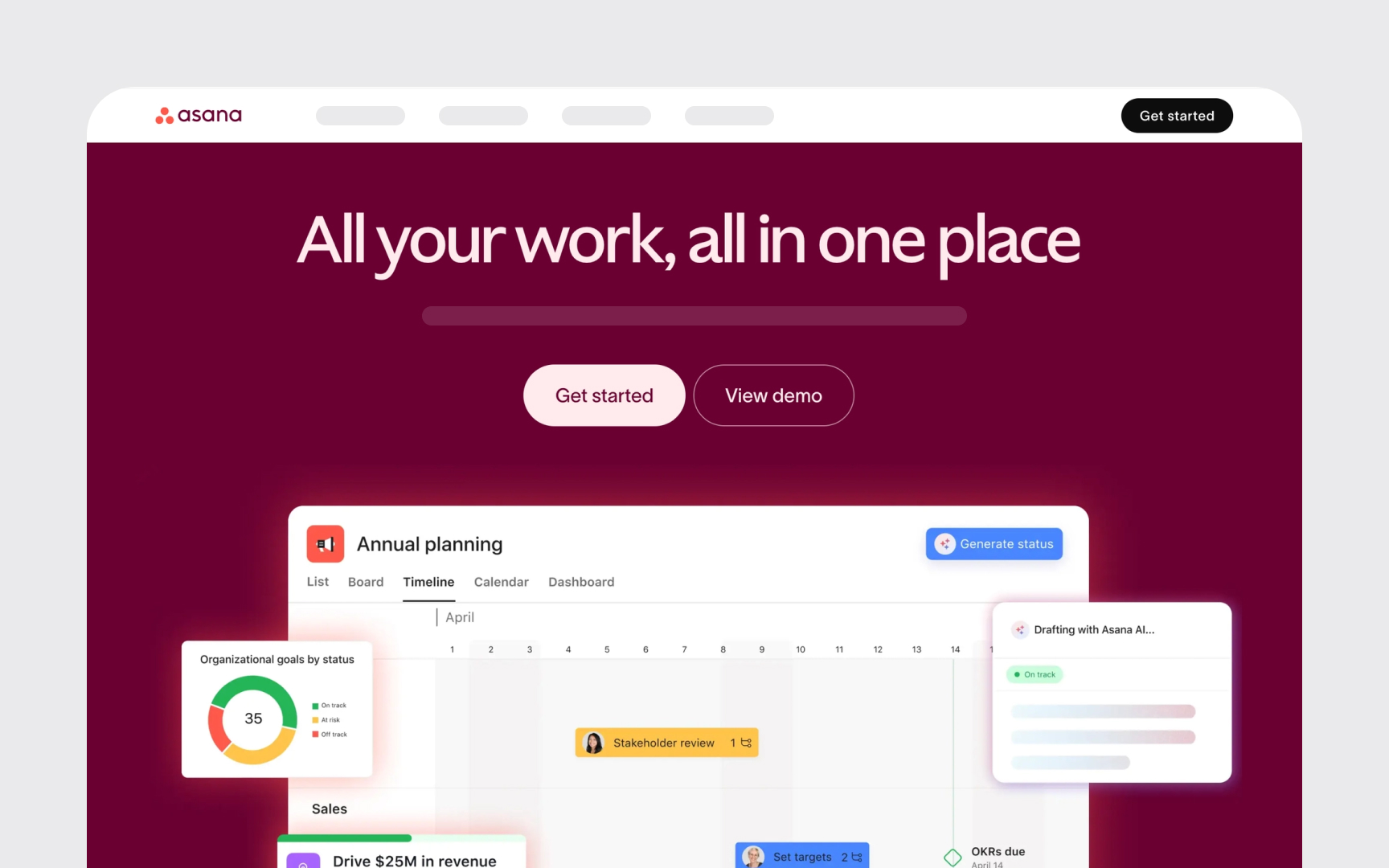
Product positioning defines how customers perceive your offering relative to competitors in the market. It shapes the mental space your product occupies in customers’ minds, influencing whether they consider it premium or budget-friendly, innovative or reliable, simple or feature-rich. Positioning goes beyond what the product actually is to focus on how the target audience thinks and feels about it compared to alternatives.
Effective positioning requires understanding both your target audience and the competitive landscape deeply. Who are you trying to reach, and what matters most to them? Which competitors are customers already considering, and how do those alternatives position themselves? Apple positions the iPhone as premium, innovative, and user-friendly, emphasizing design and ecosystem integration rather than competing on price or technical specifications alone.
Positioning decisions guide all subsequent marketing and product development choices. If you position your product as the premium option, your pricing, packaging, and feature set must support that perception. If you position yourself as the easiest solution, your onboarding and interface design become critical.[6]
Product differentiation
Product differentiation creates a competitive advantage by distinguishing your offering from alternatives in ways customers find meaningful. Differentiation can be vertical, where products objectively differ in quality or performance, or horizontal, where products suit different preferences without being clearly superior. The goal is to make your product stand out so customers have clear reasons to choose it over competitors. Differentiation strategies take many forms. Some products differentiate on features by offering unique capabilities that others lack. Others differentiate through superior customer service, faster delivery, better design, or lower price points. The most effective differentiation addresses real customer needs rather than highlighting random differences. If customers don't care about the distinguishing factor, the differentiation fails to create a competitive advantage, regardless of how unique the feature might be. Maintaining differentiation requires ongoing effort as competitors often copy successful distinctions. Product teams must continuously identify new ways to deliver unique value while reinforcing existing differentiators. Every customer touchpoint represents an opportunity to differentiate, from initial marketing messages to post-purchase support experiences. Successful differentiation results in customers viewing your product as superior for their specific needs, justifying premium pricing and building loyalty that survives competitive pressure.[7]
Pro Tip! Focus differentiation on solving real customer problems rather than adding features competitors lack.
Competitive landscape
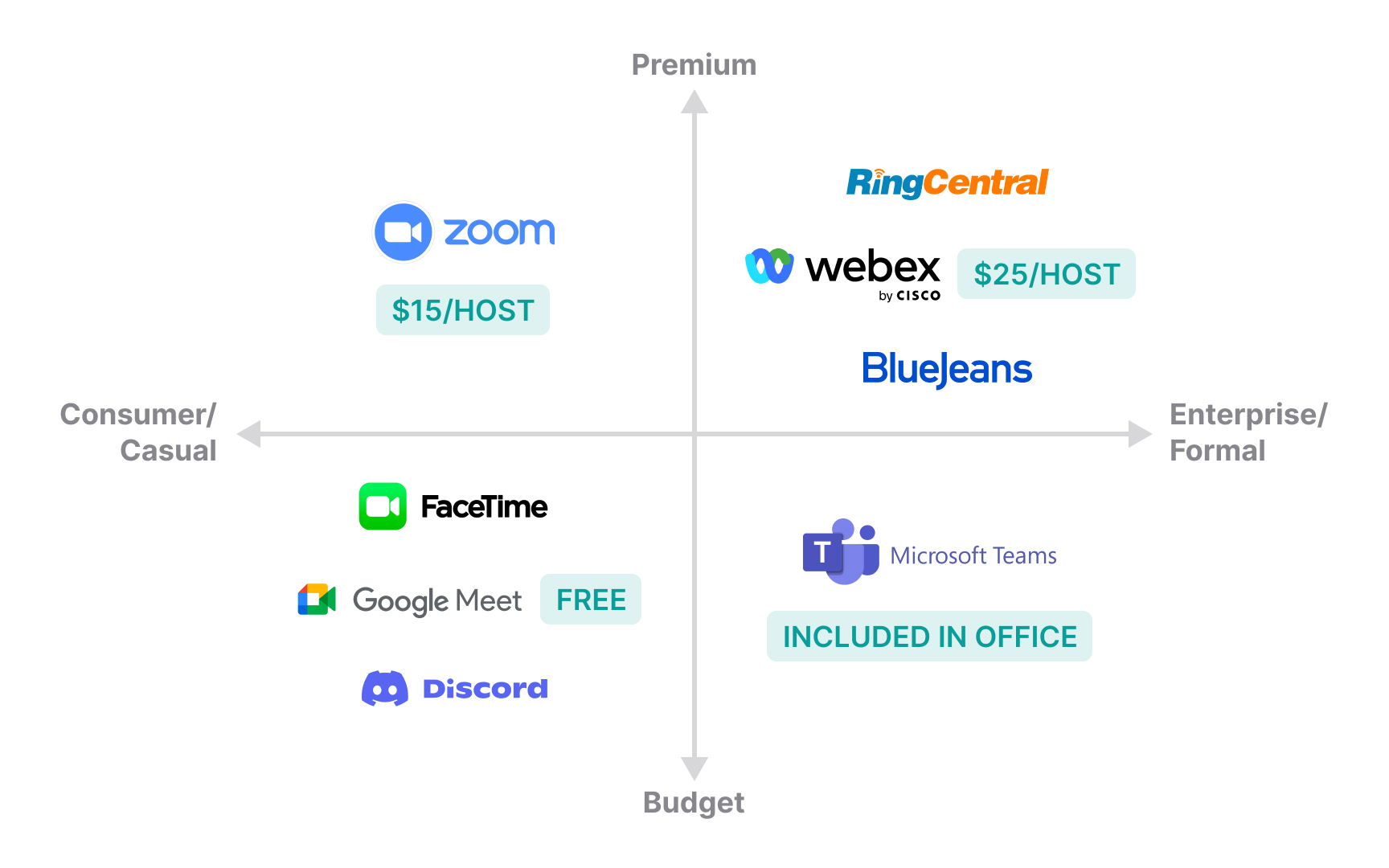
The competitive landscape maps all competitors and market forces affecting your product's success. Understanding this landscape reveals who competes for the same customers, what strategies they employ, and where market opportunities exist. Analysis includes:
- Direct competitors offering similar solutions
- Indirect competitors solving the same problems differently
- Potential new entrants that could disrupt the market.
Effective competitive landscape analysis examines multiple dimensions beyond just product features. What pricing strategies do competitors use? Which customer segments do they target? What are their strengths, weaknesses, and market positions? How do they message their value propositions? This comprehensive view helps identify underserved market segments, gaps in competitor offerings, and positioning opportunities where your product can claim unique territory. Competitive landscapes constantly evolve as new players enter markets, existing competitors pivot strategies, and customer preferences shift. Regular analysis prevents blindness to emerging threats and changing dynamics. Product teams use landscape insights to inform roadmap priorities, pricing decisions, and go-to-market strategies. When you understand who you're competing against and how they operate, you can make strategic choices that leverage your strengths against competitor weaknesses while avoiding head-to-head battles you're unlikely to win.
Topics
References
- AARRR Pirate Metrics Framework | ProductPlan
- Product-Led Growth (PLG): What it means, examples, and why it's taking off | ProductLed | Productled
- HEART Framework | ProductPlan
- What Is a Value Proposition? | VCMO Glossary
- Unique Selling Proposition | ProductPlan
- What is product positioning? Examples, strategies, and template - LogRocket Blog | LogRocket Blog
- Product Differentiation: Strategies for PMs