


.svg)

When a deal stalls on price, the instinct is to lower the number. But the number is rarely the real issue. Customers who say a product is too expensive are often reacting to a calculation they have not done explicitly: how much will it actually cost us to adopt this, run it, and eventually replace it? That total is almost always larger than the invoice, and it is almost never what the sales conversation is about.
This matters in both directions. A product priced above competitors can still win when everything surrounding the price makes adoption easier and less risky. A product priced below competitors can still lose when the work required to make it functional is expensive, slow, or uncertain. Price sensitivity is real, but it is rarely the whole picture.
For the go-to-market strategy, this creates a specific opportunity. Companies that understand how customers actually calculate cost can compete on terms that most competitors ignore entirely. They can reduce the friction of adoption, address the risk of switching, and make the comparison explicit in ways that shift the conversation without touching the invoice. That is the competitive leverage this lesson is about.
The 3 components of total customer cost

The invoice price is only one part of what customers pay when they adopt a new solution. Total customer cost has 3 distinct components, and understanding all of them changes how you position and price:
- Price is what customers pay you directly. It is the most visible component and the one that gets compared first in any evaluation.
- Effort is the time, attention, and organizational work required to implement, learn, and maintain the solution. This includes IT resources for setup, staff training time, integration work to connect the product with existing tools, and the ongoing burden of managing it day to day. A product that requires 60 hours of IT time to configure and 3 days of staff training has a real cost that never appears on your invoice.
- Change is the disruption of switching away from whatever customers are currently using. Data needs to be migrated. Workflows need to be redesigned. Teams need to learn new habits. There is also organizational risk: the possibility that the transition fails or that productivity drops during it. For customers with years of history in a legacy system, the change component alone can dwarf the price difference between competing solutions.[1]
Why cheaper does not always win
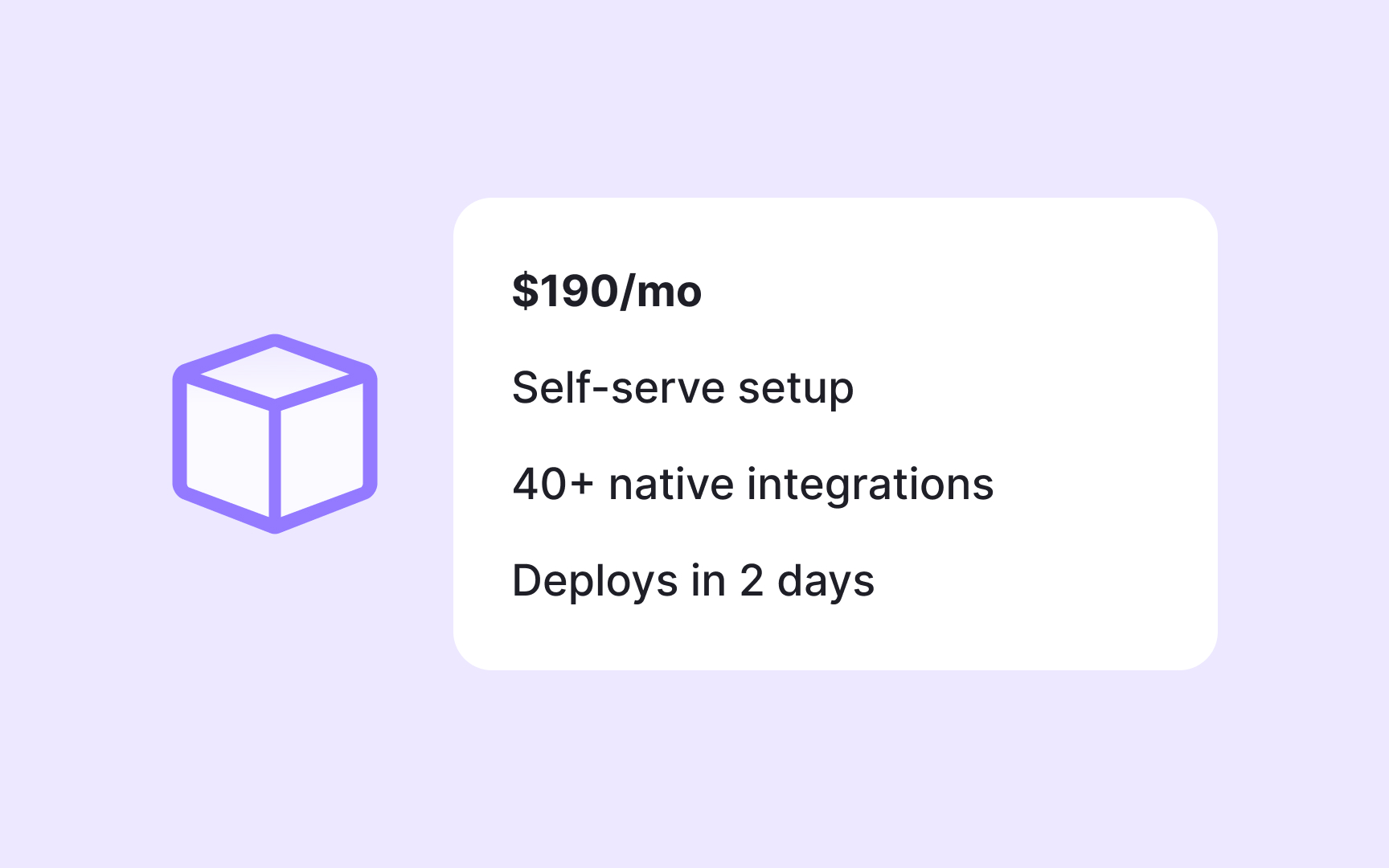


A product with a lower invoice price does not automatically win, even when buyers appear focused on cost. Customers evaluating solutions are rarely comparing price alone. They are weighing the full cost of adoption, including the time, effort, and disruption that switching requires. A product priced at 40% less than a competitor may still lose if its implementation takes 3 months versus 3 weeks, requires a specialist to configure, or demands a complete redesign of existing workflows. Each of those differences adds a real cost that never appears in a pricing comparison. This is why enterprise software companies can charge significant premiums over lightweight alternatives and still win.
The premium price is partially or fully offset by lower implementation complexity, established integrations, predictable support, and reduced organizational risk. Buyers who have previously adopted a cheap solution that created compliance problems, security incidents, or ongoing support burdens learn to factor in total cost. In those contexts, a higher invoice price from a vendor with a smooth deployment track record can represent a genuinely better deal.
The true cost of free solutions
Free and open-source alternatives appear to eliminate price as a consideration entirely. In practice, they carry some of the highest total customer costs available. A free tool requiring 200 hours of developer time to implement, weekly engineering attention to maintain, and a custom integration build for existing tools is not actually free. Those costs are real and accumulating, even if no invoice ever arrives. The same logic applies to DIY approaches and spreadsheet-based workarounds. The absence of a license fee does not mean the absence of cost. It means the cost is harder to see, distributed across internal time rather than concentrated in a payment. When positioning against free or low-cost alternatives, the most compelling argument is rarely about features. It is a total cost comparison: what the customer actually spends when implementation time, maintenance burden, and opportunity cost are factored in. A product that charges a monthly fee but eliminates developer involvement, integrates with existing systems out of the box, and handles support internally may have a dramatically lower total cost than the free alternative it replaces.[2]
Effort costs in software adoption
Of the 3 cost components, effort is the one buyers most consistently underestimate before signing. Implementation is the most visible part: configuring the product, migrating existing data, and connecting it with tools the customer already uses. For a product entering an environment with 5 existing integrations, each connection may require engineering time, testing, and ongoing maintenance. But implementation is at least planned for. The costs that follow are harder to anticipate.
Training effort covers the time needed to bring a team to functional proficiency. In complex products, this can mean weeks of reduced productivity, and that lost output has a real dollar value even though no one invoices for it. Ongoing management is the steady-state cost of keeping the product running after go-live: access management, troubleshooting, updates, and the support burden when things break. A product that handles its own updates, offers reliable self-service support, and requires no dedicated administrator has lower effort costs than one that does not. These differences rarely appear in a pricing comparison, which is exactly why they matter.[3]
Change costs and why incumbents stay sticky
Change costs are the disruption customers absorb when they switch from what they currently use to something new. They are often the most underestimated component of total customer cost, because they are invisible until the transition begins:
- Data migration: customer records, transaction history, and settings all need to move from the old system to the new one. That migration takes time, introduces risk of loss or corruption, and may require specialist support.
- Workflow redesign: The processes a team built around the existing system do not transfer cleanly. Teams must adapt routines, update documentation, and relearn tasks they previously performed automatically.
- Organizational risk is the hardest change cost to quantify. Customers switching systems accept the possibility that the transition fails, that productivity drops, or that the new product does not deliver what was promised. For the buyer responsible for the decision, that risk carries personal consequences alongside business ones.
Change costs are what make incumbent solutions sticky, even when objectively better alternatives exist.[4]
Reduce effort and change costs to compete on price
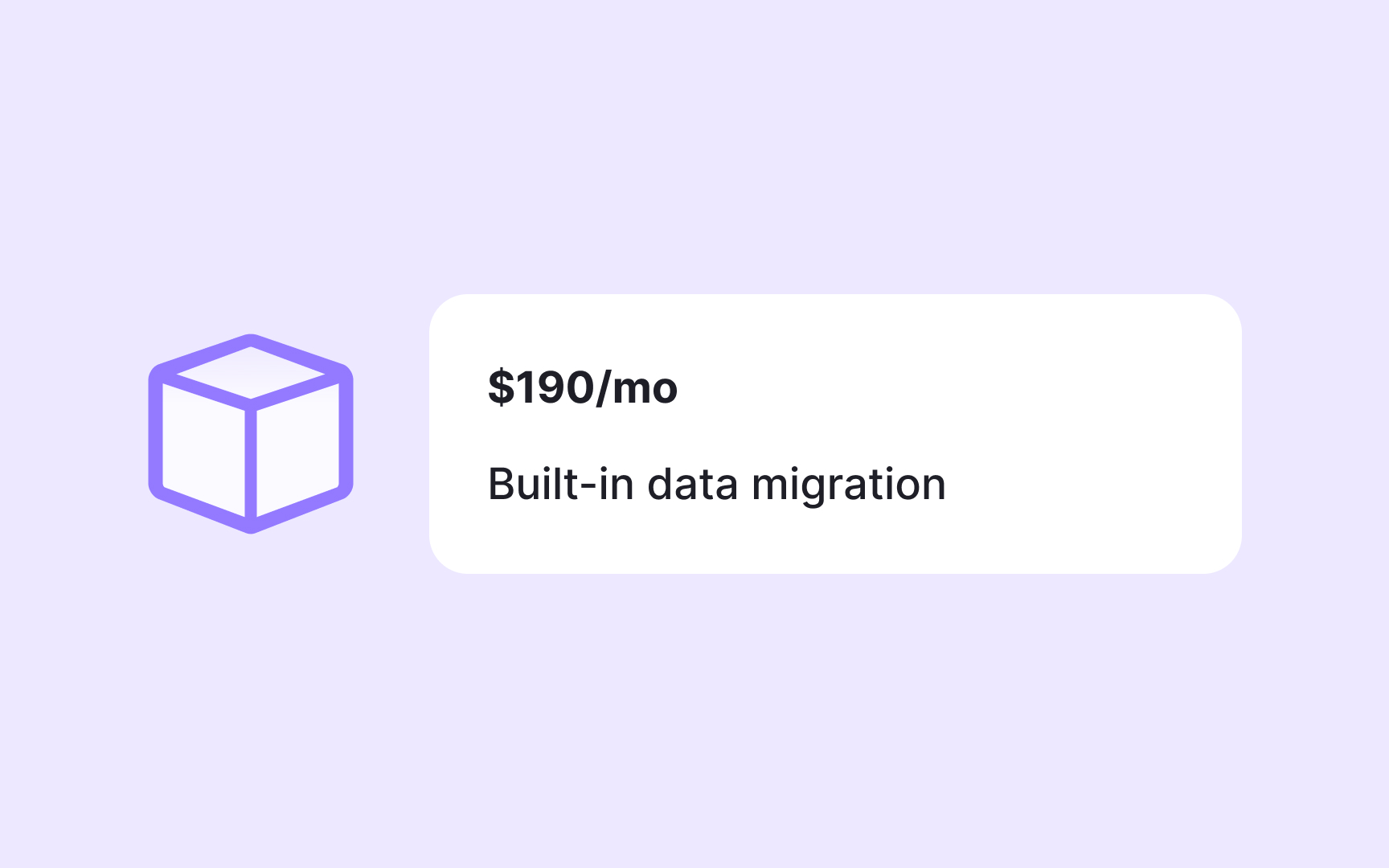
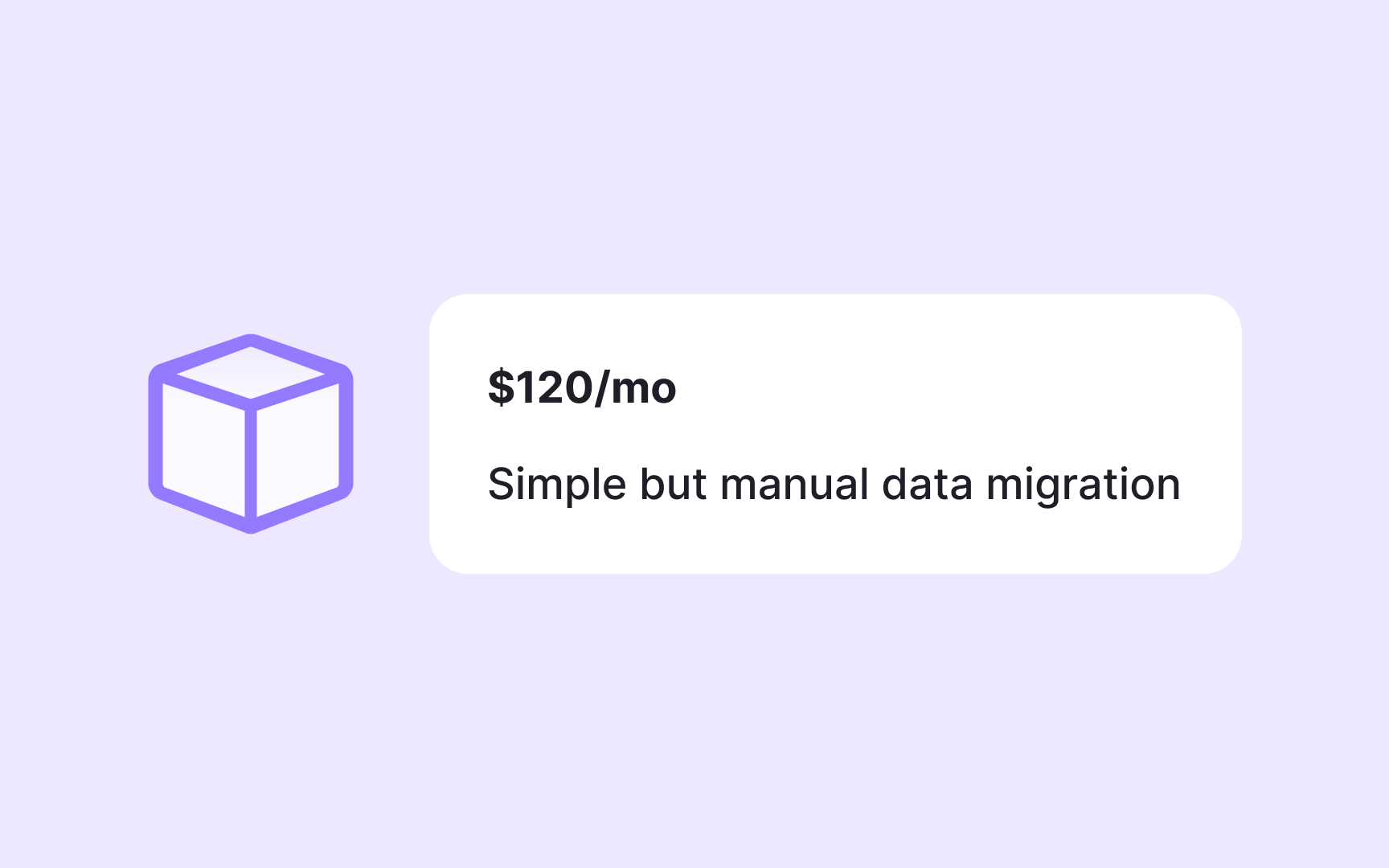
A higher price is not a problem if the total cost of adopting your product is lower than the alternative. That is the argument. The challenge is making it visible to a buyer who is looking at 2 numbers and seeing yours as the bigger one.
The lever is effort and change costs, because those are the components that live outside the invoice and rarely get calculated before a decision is made. Reducing them is how you shift the comparison without touching your price.
Change cost reduction is usually where the biggest gains are. Buyers who have spent years in an existing system are not just evaluating your product. They are evaluating whether switching is worth the disruption. 3 strategies address this directly:
- Data migration tooling that handles the transfer from competing products, so buyers do not have to
- Structured pilots that let a team validate the product in their real environment before committing
- Case studies from customers who switched from a similar setup and came out the other side[5]
Pro Tip! A product manager weighing 2 tools at different price points will often choose the higher-priced one if that vendor has already answered the hardest question: what happens when we switch?
Build a TCO case for enterprise buyers
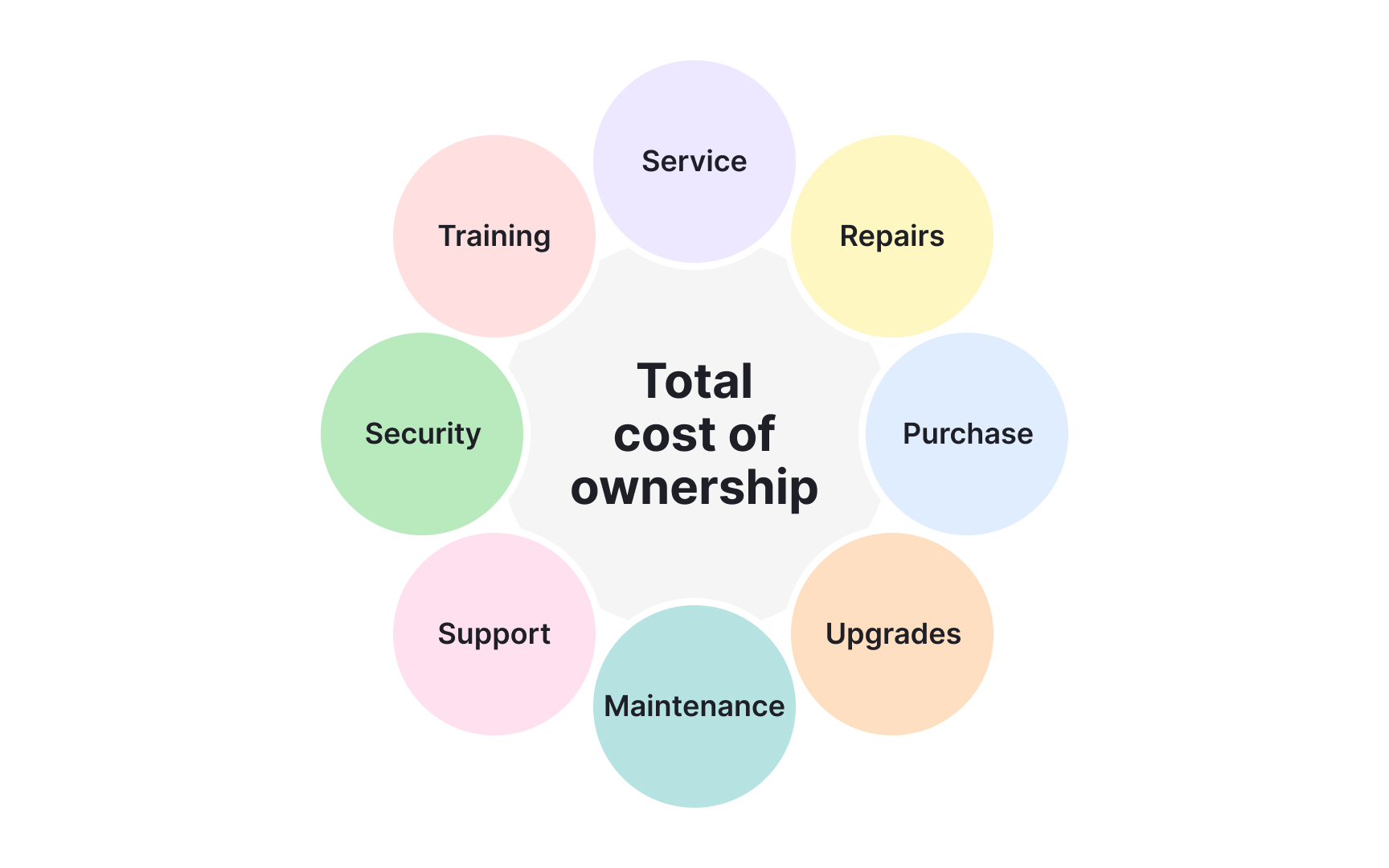
Enterprise buyers do not compare prices. They compare the total cost of ownership, and they have procurement teams built specifically to do it. A total cost of ownership (TCO) analysis examines all costs of adopting, operating, and replacing a solution over a defined horizon, typically 3 to 5 years.
For software, this covers:
- The subscription fee
- Implementation and integration costs
- Training
- Ongoing support and maintenance fees
- Internal staff time to manage the product
- The eventual cost of migrating off the product when the contract ends
A company selling enterprise software without proactively providing a TCO comparison is leaving its best argument on the table. A product that appears more expensive at the license level may be substantially cheaper over 3 years once implementation complexity, staffing requirements, and support costs are included. Building a TCO case means gathering data on what the customer currently spends, modeling the full cost of the alternative, and presenting that comparison in terms that match how procurement teams actually evaluate purchases. Done well, TCO analysis turns a price objection into a value conversation.[6]
Compete against the status quo
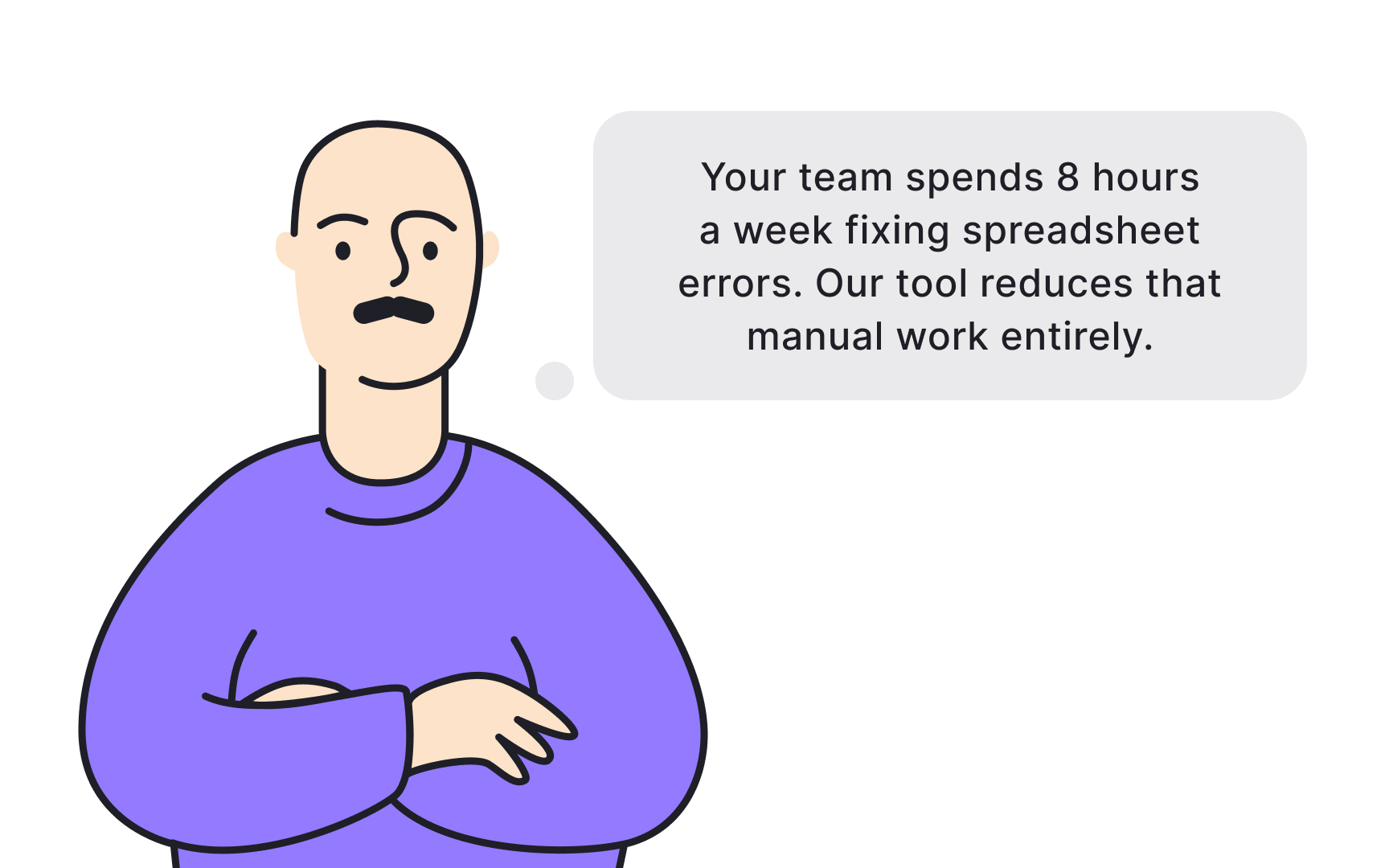

The alternatives customers compare you against are not always competing products. Frequently, the most relevant comparison is the status quo: the cost of continuing to do things the way they currently do them. A company managing a process manually with spreadsheets and email has a real existing cost:
- Staff time is dedicated to it.
- Errors that manual handling produces need correction.
- Reporting takes extra overhead.
The opportunity cost of not having a better system accumulates quietly in the background. That total cost may be invisible to the customer precisely because it has never been calculated. When the manual process feels familiar and the cost of change feels concrete, buyers default to inaction. Surfacing the true cost of doing nothing is one of the most effective moves in a total cost conversation.
A product manager who manually compiles weekly reporting from 4 systems may not see that as an expensive problem until the time cost is made explicitly visible. Customers make better decisions when they can see both sides of the equation, and products that help buyers see the status quo cost clearly earn the comparison.[7]
Use total cost as a positioning strategy
Total customer cost analysis is not just a tool for winning individual deals. It is a positioning asset. A product that systematically offers lower total cost than alternatives can build that into how it is described and sold. This approach shifts the comparison from a price contest to a value conversation. Instead of defending a higher invoice price, sellers direct attention toward the full cost picture:
- Faster deployment
- Lower integration burden
- Reduced training requirements
- Lower switching risk
Over time, this positioning creates a competitive moat that is difficult to copy. A lower price can be matched overnight. A product that genuinely reduces adoption cost through better implementation tooling, tighter integrations, and robust support has built something that takes years to replicate.
For early-stage companies selling against established players with larger budgets, total cost positioning is one of the few levers that shifts the conversation away from who is bigger or who spends more on marketing. Buyers who understand the full cost of their current solution make decisions on different terms.[8]
Topics
References
- Total Cost of Ownership
- B2B Integration Costs: How to Determine Total Cost of Ownership
- Switching Costs: 6 Ways To Lock Customers Into Your Ecosystem
- How SaaS Adoption and Switching Costs Drive Revenue Growth | Lighter Capital
- What Is Total Cost of Ownership (TCO)? | IBM
- Total Cost of Ownership: Definition and How To Calculate It
- Pricing for Lock-In: Creating Strategic Switching Costs in SaaS