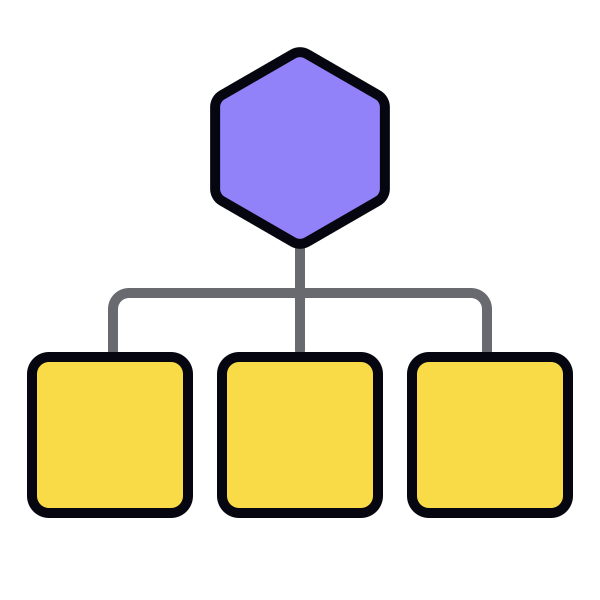
A design system is like the framework of a building: invisible to most, yet essential for keeping everything aligned and stable. It provides structure and clarity, helping colors, buttons, typography, and spacing stay consistent so that elements with the same purpose both look and behave the same. When this foundation is solid, a product feels coherent and reliable. Users may not notice the system, but they experience its order and balance in every interaction.
A design system defines the visual and behavioral principles of a product. It explains not only how things look but also how they work together. Each element follows the same logic, forming a shared language that helps teams create interfaces with intention and precision. This sense of order allows creativity to flourish within clear boundaries rather than being limited by them.
Not every project requires a complete design system. Today, many teams use design tokens and code-backed components to roll out updates to colors, spacing, or typography consistently across Figma, codebases, and platforms. For smaller products, adopting just a few parts, such as tokens, color rules, or reusable components, can already bring visible improvement. Larger teams may build an entire ecosystem that grows and evolves over time. What matters is not the size of the system but how well it supports the people who use it.
More than a set of guidelines, a design system connects people. It gives designers, developers, and product managers a common reference point and helps them speak the same language. It replaces confusion with clarity and allows teams to focus on solving real problems together. Behind every consistent product stands a shared framework built through collaboration, trust, and attention to detail.







 Showcases studied skills
 Never expires










.svg)
.svg)

.svg)
.svg)