.svg)

The terms artificial intelligence, machine learning, and generative AI get used as if they mean the same thing. In most product conversations, they are treated as interchangeable, which is why requirements get written with the wrong assumptions, vendor claims go unchallenged, and features ship without the right guardrails.
These 3 terms are not synonyms. They describe different levels of a hierarchy, each one more specific than the last. Machine learning is a type of AI. Generative AI is a type of machine learning. Understanding where each term sits, and what it adds to the one above it, is what allows designers and PMs to move from "we are adding AI" to a description that actually means something.
The vocabulary that maps the landscape covers the hierarchy itself, what generative AI produces and why it behaves differently from predictive models, and the key terms that appear in every generative AI product conversation. Foundation models, large language models, prompts, and AI-generated content are no longer specialist terms. They are the shared language of modern product work, and knowing them precisely changes the quality of every brief, every review, and every decision a product team makes about AI.
Generative AI
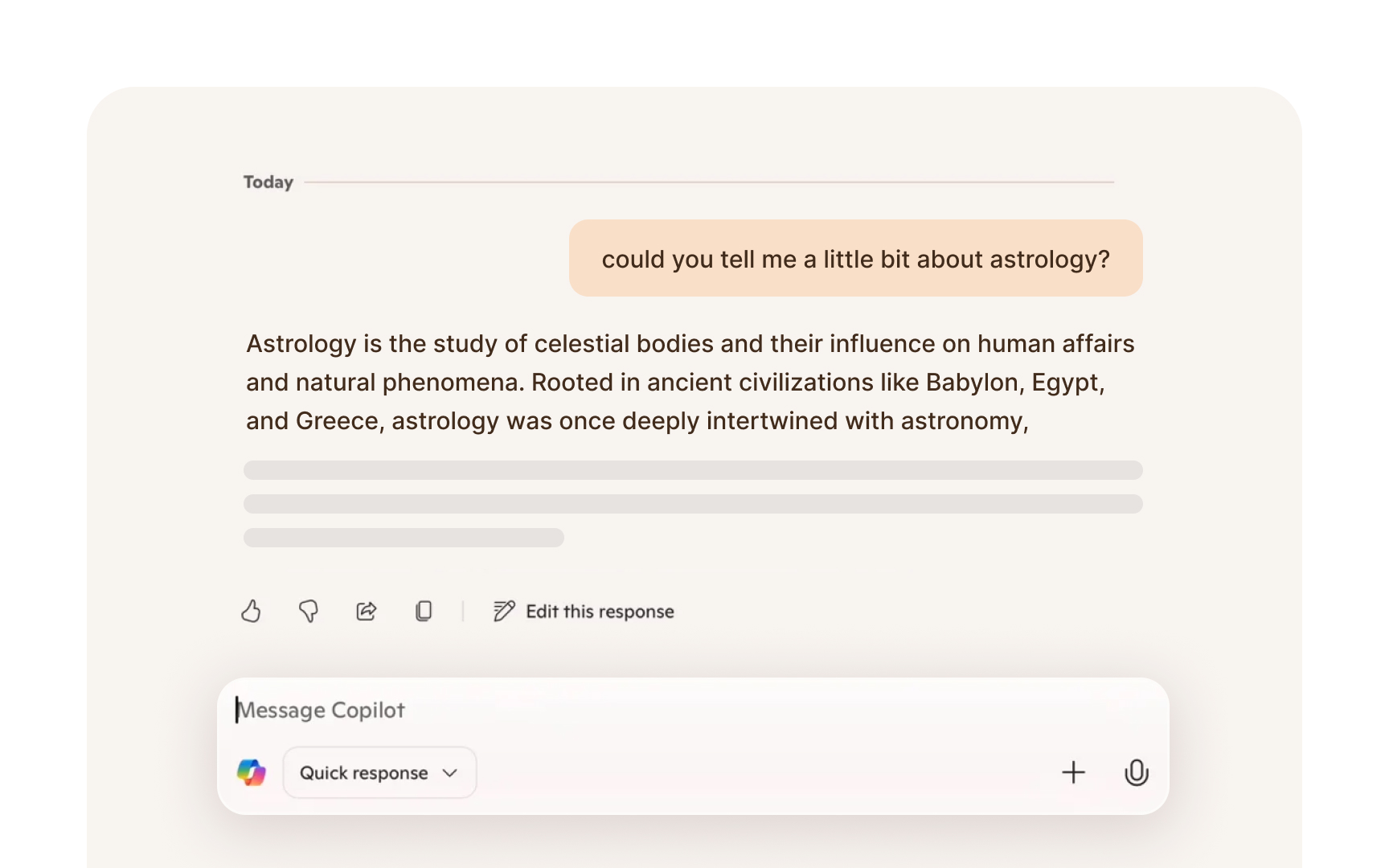
Generative AI is the category of AI models that produce new content rather than analyze or classify existing data. Given a prompt, a generative AI model can write a paragraph, generate an image, compose a snippet of code, or synthesize audio. The output did not exist before the model created it. This is what separates generative AI from most other machine learning: traditional ML models answer questions about data, while generative AI models create responses to inputs. The distinction matters in product work because it changes what the feature can do and what can go wrong. A fraud detection model produces a yes or no decision. A generative AI model produces content that may be fluent, confident, and wrong. The creative capability comes with a different failure mode, one where errors are harder to spot because the output looks plausible. For designers, this changes how confidence and uncertainty should be communicated to users. For product managers, it changes how quality is defined and measured.[1]
Large language model (LLM)
A large language model, commonly abbreviated as LLM, is a specific type of generative AI model trained on vast amounts of text data to understand and produce human language. LLMs are built on transformer architecture and learn statistical patterns across billions of words, sentences, and documents. The result is a model that can answer questions, summarize content, translate languages, write code, and carry on extended conversations. The word ‘large’ refers to the scale of both the model and the data it was trained on. GPT-4, Claude, Gemini, and Llama are all examples of large language models. In product work, LLM is the term that comes up most often when teams are evaluating or building text-based AI features. Knowing what it means, specifically that an LLM generates text by predicting what comes next based on patterns in training data rather than retrieving stored facts, changes how designers think about accuracy and how PMs set user expectations. An LLM does not look things up. It generates language that fits the context. That distinction is the root of hallucination, one of the most consequential behaviors any product team working with LLMs needs to understand.[2]
Pro Tip! When someone asks why an AI gave a wrong answer, the most likely explanation is that the LLM generated a plausible-sounding response, not that it found and misread a fact.
Natural language processing (NLP)
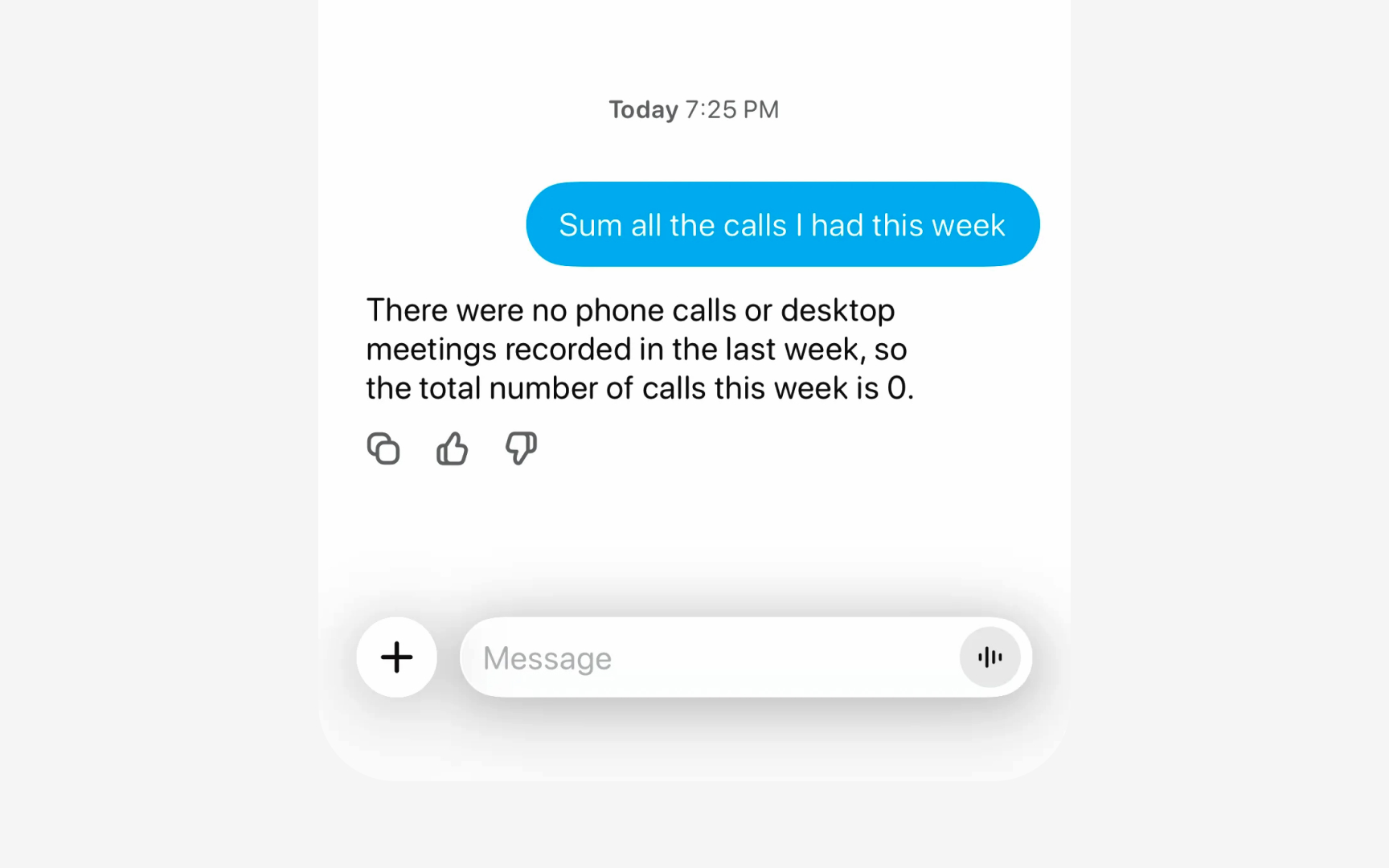

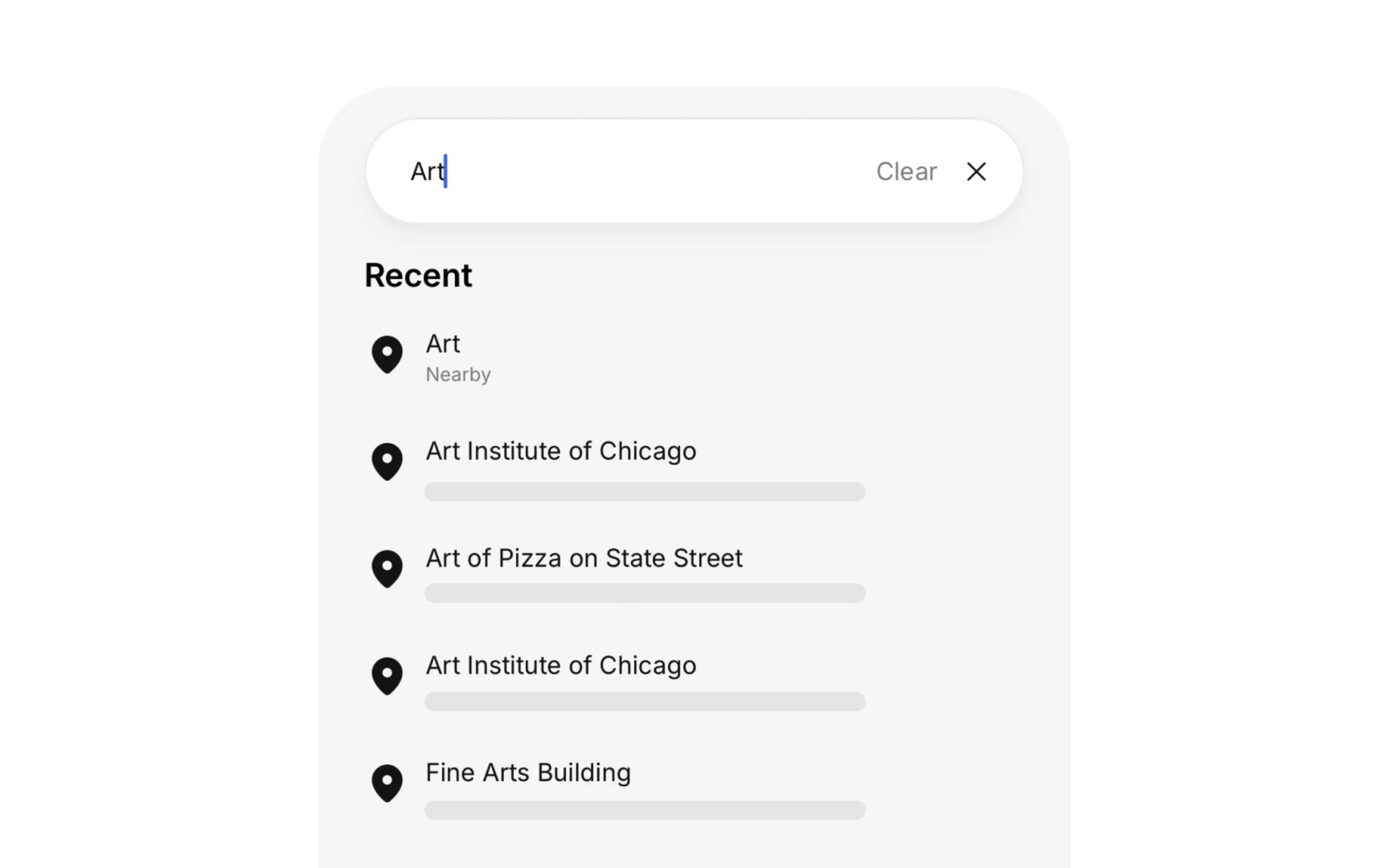

Natural language processing, commonly abbreviated as NLP, is the branch of AI that enables computers to read, understand, and generate human language. It brings together linguistics and machine learning to analyze text or speech, find patterns, and respond in ways that fit the context. NLP is what allows a chatbot to interpret a question, a voice assistant to understand a spoken command, a translation tool to preserve meaning across languages, and a sentiment system to detect tone in a support ticket. Every product that processes or generates human language is built on NLP. The field existed long before large language models, handling tasks like spam detection, autocomplete, and document classification.
LLMs represent its most advanced application to date, but NLP as a category is much broader. For designers, NLP is the term behind most conversational and language-aware features they are asked to design for. For product managers, it is useful shorthand for a class of AI capability: any feature that takes language as input, produces language as output, or does both. Knowing the term helps teams describe what an AI feature is doing at the right level of precision.[3]
Foundation model
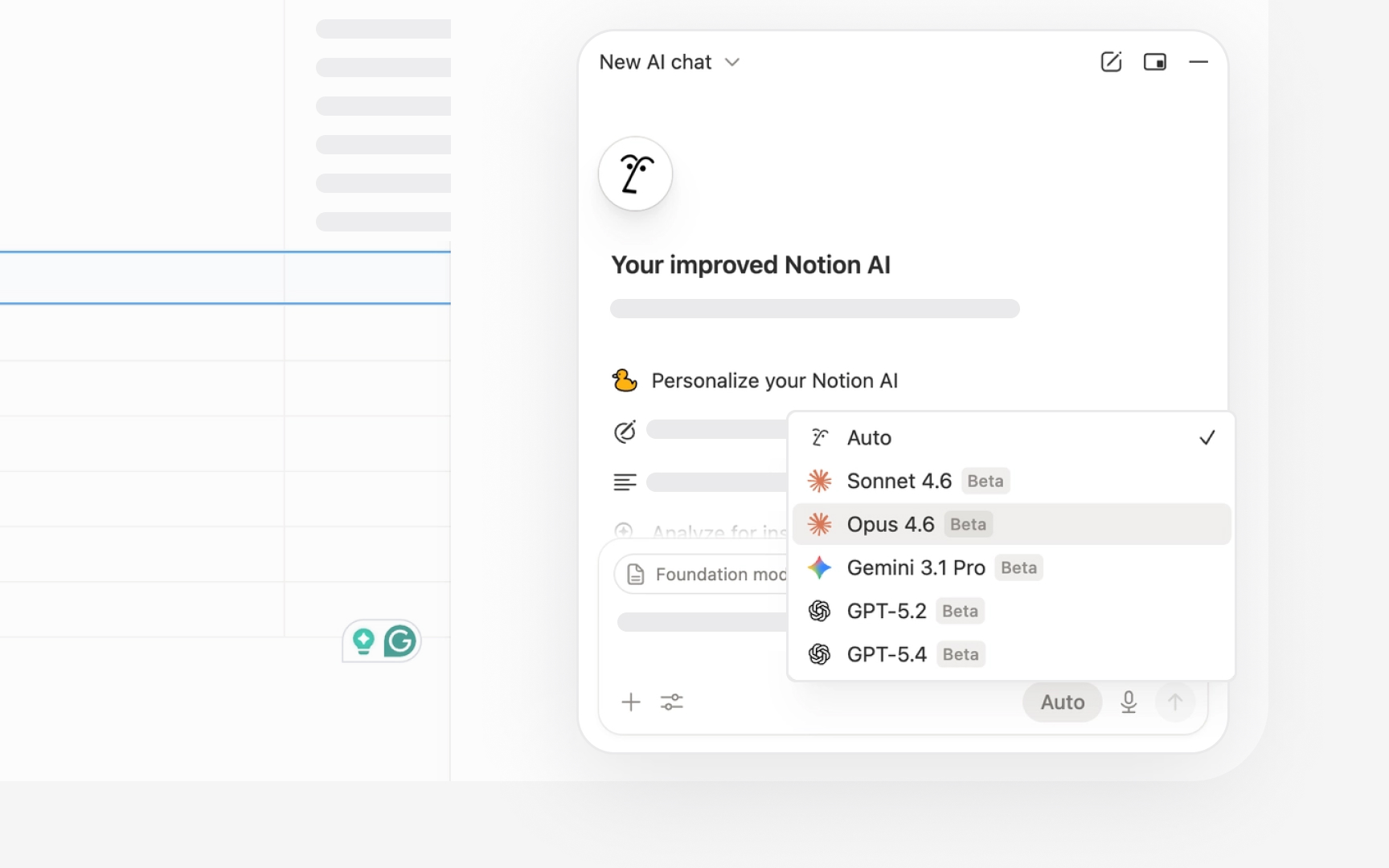
A foundation model is the term for a large AI model trained on a broad, general dataset and designed to serve as a base that can be adapted for many different tasks. Rather than training a model from scratch for each specific use case, teams take a foundation model and fine-tune it on their own data, or use it directly through prompting. The name reflects the idea that these models act as a foundation on which more specialized applications are built. GPT-4, Claude, and Gemini are foundation models. So are image generation models like DALL-E and Stable Diffusion. What makes them distinct from earlier AI models is their scale, their generality, and the way they are deployed: as platforms that many products and teams build on top of, rather than as purpose-built systems for a single task. For product managers, the foundation model is an important term because it explains the economics of modern AI development. Most AI features are not built by training a new model from scratch. They are built by using or adapting a foundation model, and understanding this changes how teams think about vendor relationships, API dependencies, and what it means when a provider changes their pricing.[4]
Predictive AI
Predictive AI is a term used to describe what most machine learning models do: analyze existing data to forecast outcomes, classify inputs, or detect patterns. The term emerged to distinguish this class of behavior from generative AI, which creates new content rather than returning judgments about data. A predictive model takes an input and returns a decision or a score: this email is spam, this transaction is fraudulent, this user is likely to churn. Nothing is created. The output is derived from patterns the model found in historical data. Fraud detection, churn prediction, relevance ranking, and quality control systems that flag defects are all examples of predictive AI in product work.
For designers and product managers, knowing the term helps clarify what kind of AI a feature actually uses. When an engineer says the model predicts something, that is predictive AI. When it generates something, that is generative AI. The distinction matters because each type fails differently, requires different success metrics, and raises different design questions about how outputs should be presented and acted on.[5]
Multimodal AI
Multimodal AI refers to AI models that can process and generate more than one type of data, such as text, images, audio, and video, either as input or output. Earlier AI models were typically limited to a single modality: a language model handled text, an image model handled images, and a speech model handled audio. Multimodal models combine these capabilities in a single system. GPT-4 with vision, Gemini, and Claude are examples of multimodal models: they can accept an image as input and respond with text, or take a text prompt and produce an image alongside a written explanation. In product work, multimodality is a term that signals a significant expansion of what AI features can do. A customer support tool that only reads text becomes considerably more powerful if it can also interpret screenshots. A content moderation system that handles only written posts behaves differently when it can also analyze images and videos.[6]
Prompt in generative AI
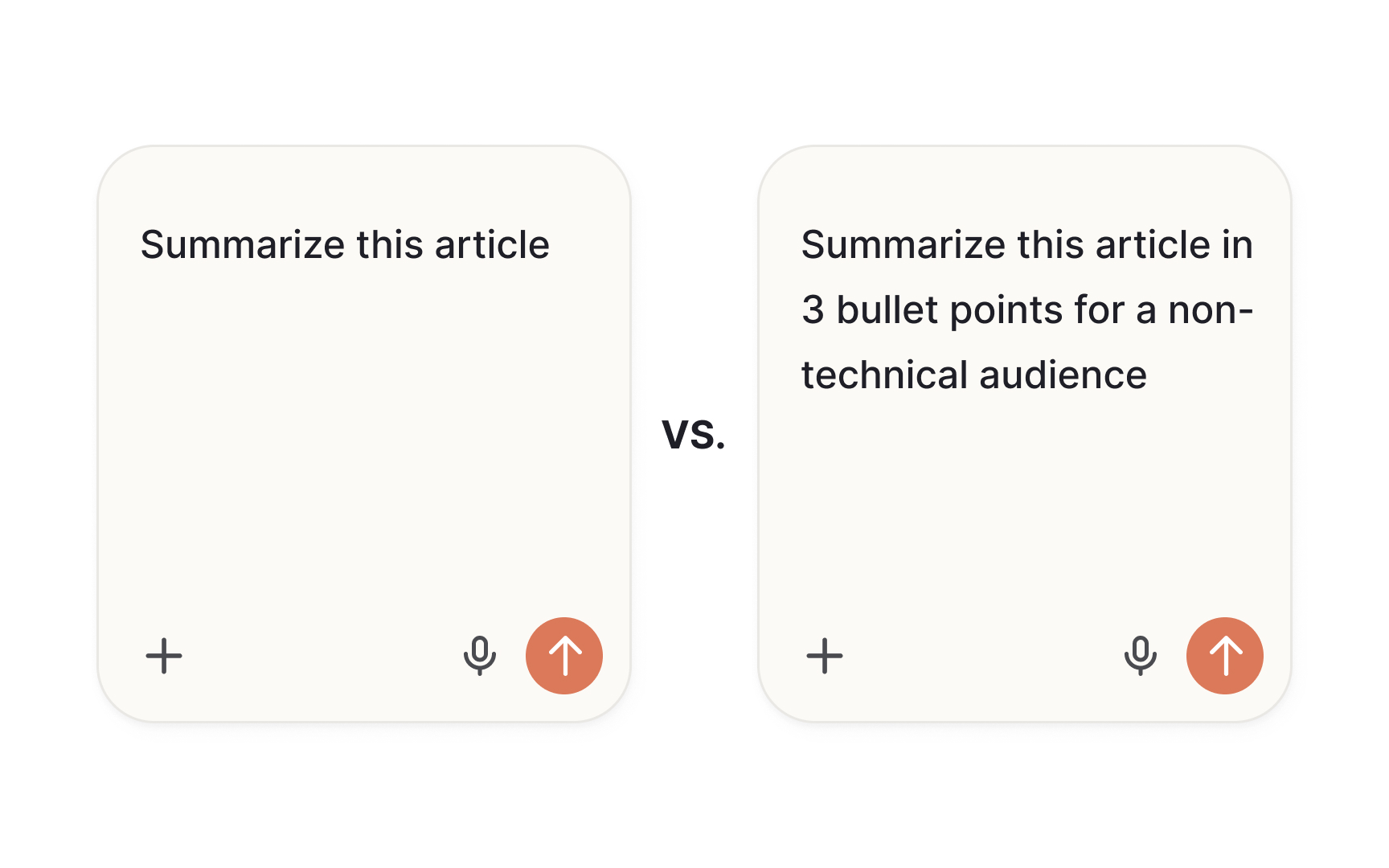
Prompt is the term for the input that users or a system provide to a generative AI model to trigger a response. Unlike a search query or a command in traditional software, a prompt is open-ended natural language. It can be a question, an instruction, a piece of context, or a combination. The model generates a response based on patterns it learned during training. The word prompt entered product vocabulary with the rise of large language models, but applies to any generative AI system: a text prompt instructs a language model, an image prompt instructs an image generation model. Prompts can be written by users directly, constructed by the product in the background, or both. When engineers talk about system prompts, they mean instructions built into the product that shape model behavior before the user types anything. For designers, the prompt is a new kind of interface input that behaves differently from traditional form inputs. Small changes in phrasing produce different outputs, and vague prompts produce inconsistent results. Understanding what a prompt is and how it shapes model behavior is foundational to designing AI-powered features users can interact with confidently.[7]
AI-generated content (AIGC)
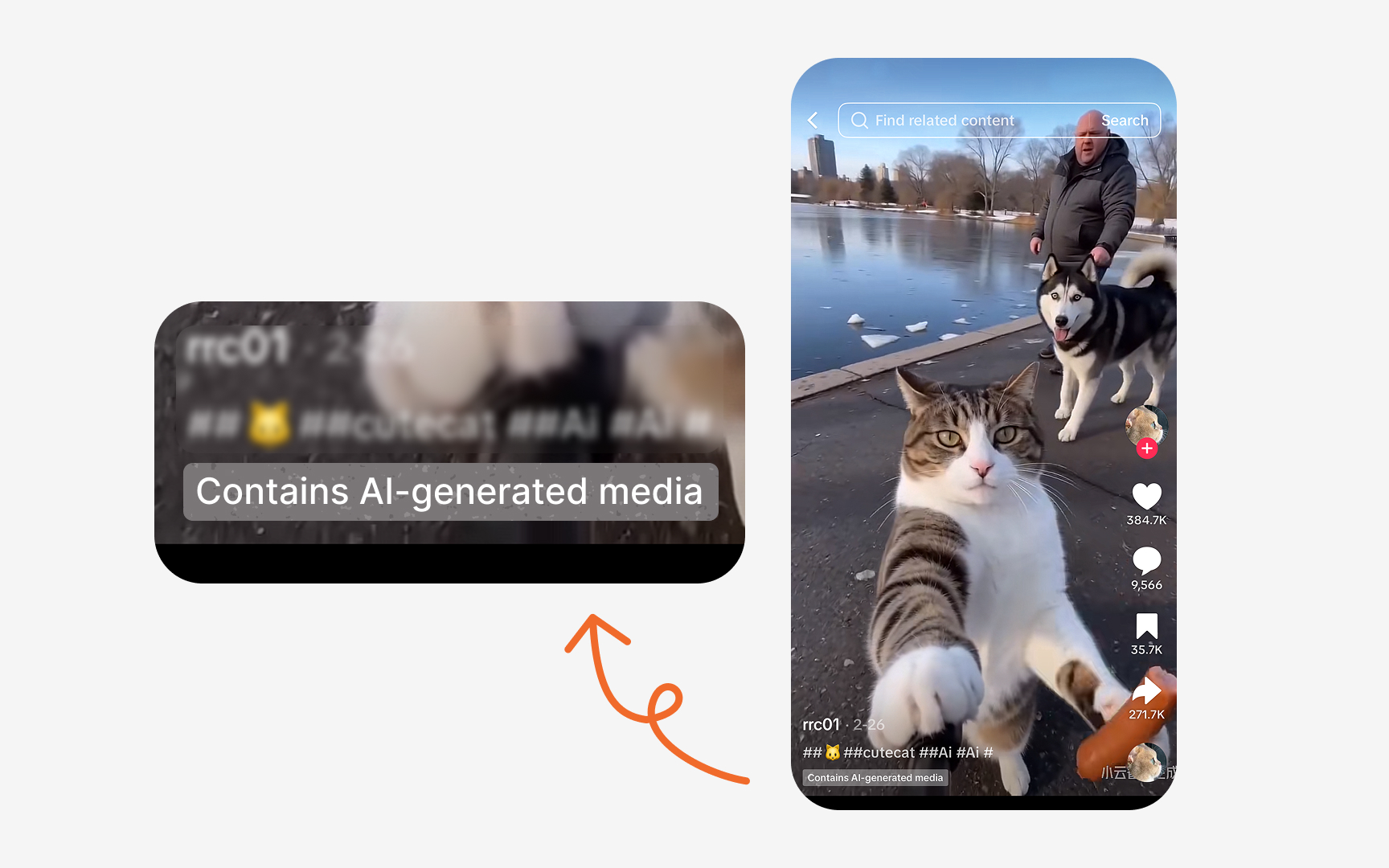
AI-generated content, often abbreviated as AIGC, is the term for any content produced by a generative AI model rather than created directly by a human. This includes text, images, audio, video, code, and synthetic data. The term emerged as generative AI became widely used in consumer and enterprise products, creating a need to distinguish between human-authored and machine-generated material. In product and design work, AIGC surfaces in several distinct contexts:
- Content moderation teams need to detect it.
- Legal and compliance teams need to understand its ownership and liability implications.
- Designers need to decide how to label or disclose it to users.
- Product managers need to define quality standards for it and determine where human review is required before it reaches users.
The term also connects to broader questions of trust and transparency. Users interacting with a product that surfaces AI-generated content have a reasonable expectation of knowing what they are looking at.
Topics
References
- Generative AI vs Machine Learning: Key Differences | Salesforce
- Difference between AI, ML, LLM, and generative AI
- What Is NLP (Natural Language Processing)? | IBM
- Generative AI vs. Machine Learning: Key Differences and Use Cases | Search Enterprise AI
- Generative AI vs Machine Learning: Key Differences | Salesforce
- Generative AI vs. Machine Learning: Key Differences and Use Cases | Search Enterprise AI
- Generative AI vs. Machine Learning: What’s the Difference? | Coursera