



.svg)

Strong case studies are not only about identifying user problems. They show awareness of the business environment in which those problems exist. A solution that looks correct from a product or UX perspective can fail when it ignores revenue models, competitive pressure, or strategic constraints.
Business context sets boundaries for what is possible and what makes sense. Funding models, pricing strategies, and growth goals influence which solutions are realistic and which trade-offs are acceptable. Market conditions shape how much differentiation is needed and how quickly value must be delivered. Products at different lifecycle stages face very different expectations around experimentation, optimization, and scale.
Understanding this context helps explain why two companies can face similar user issues but choose very different paths. Case studies become clearer and more credible when decisions are framed as responses to business realities, not personal preferences. Reading context well turns feature ideas into grounded strategies that support both users and the business.
Identify the business model behind a product
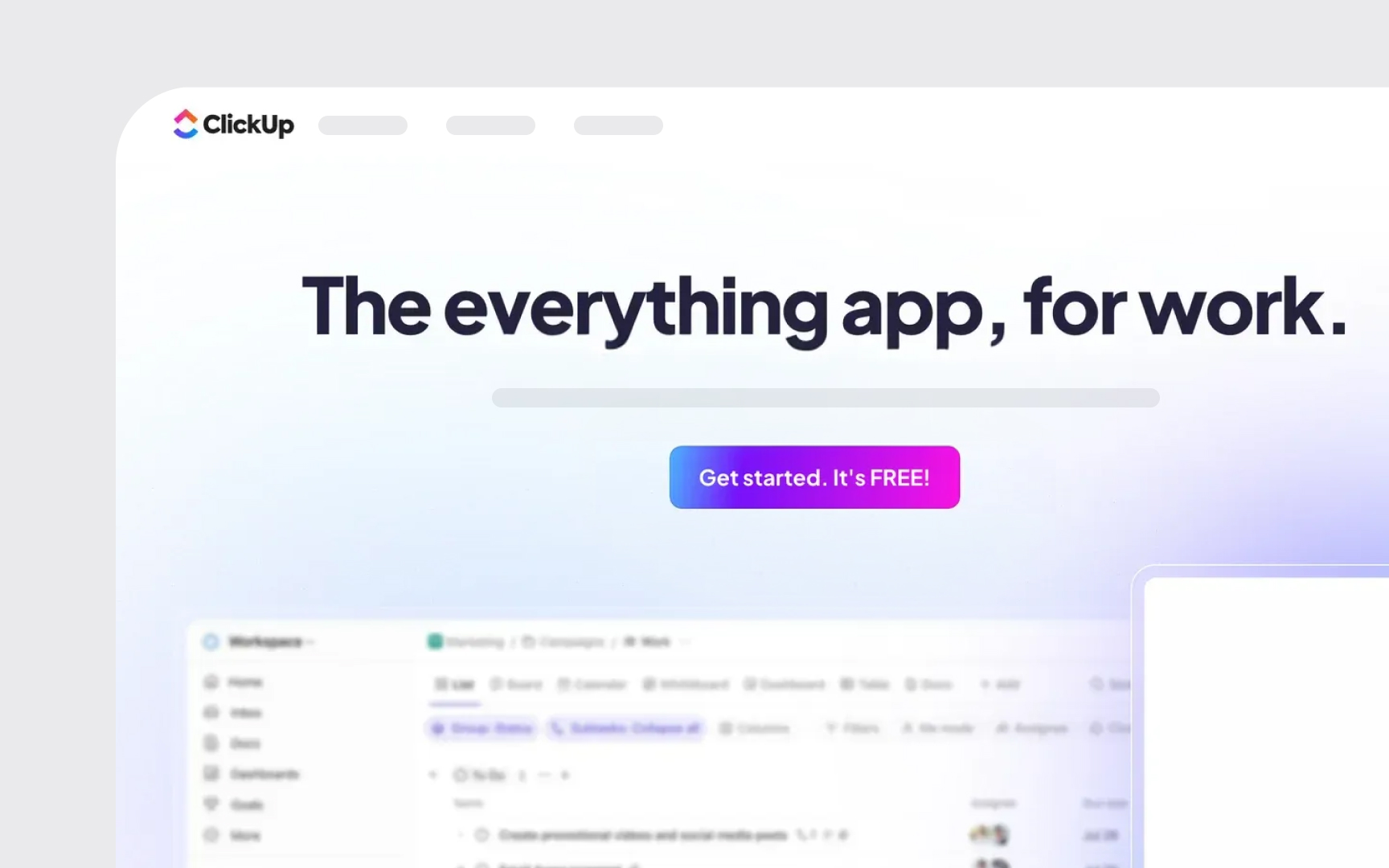



Every product exists inside a business model that defines how value turns into revenue. In case studies, this context explains why certain decisions are possible while others are not. A product offered for free with paid upgrades behaves very differently from one that requires payment upfront. Each model sets expectations around growth speed, user commitment, and cost structure.
Freemium models focus on attracting a large audience first. They rely on volume, network effects, and gradual conversion to paid plans. This often pushes teams to prioritize easy onboarding, sharing, and early value exposure. Subscription models place more pressure on immediate clarity of value. Users are expected to commit early, which shifts product decisions toward reliability, depth, and perceived professionalism.[1]
In a case study, identifying the business model helps clarify what success looks like. Rapid user growth, predictable revenue, or controlled costs all point to different priorities. When the business model is ignored, proposed solutions may look attractive but conflict with how the company survives financially.
Pro Tip! If a case mentions pricing limits, trials, or free tiers, start there. These details often reveal the business model faster than feature descriptions.
Link revenue levers to product decisions
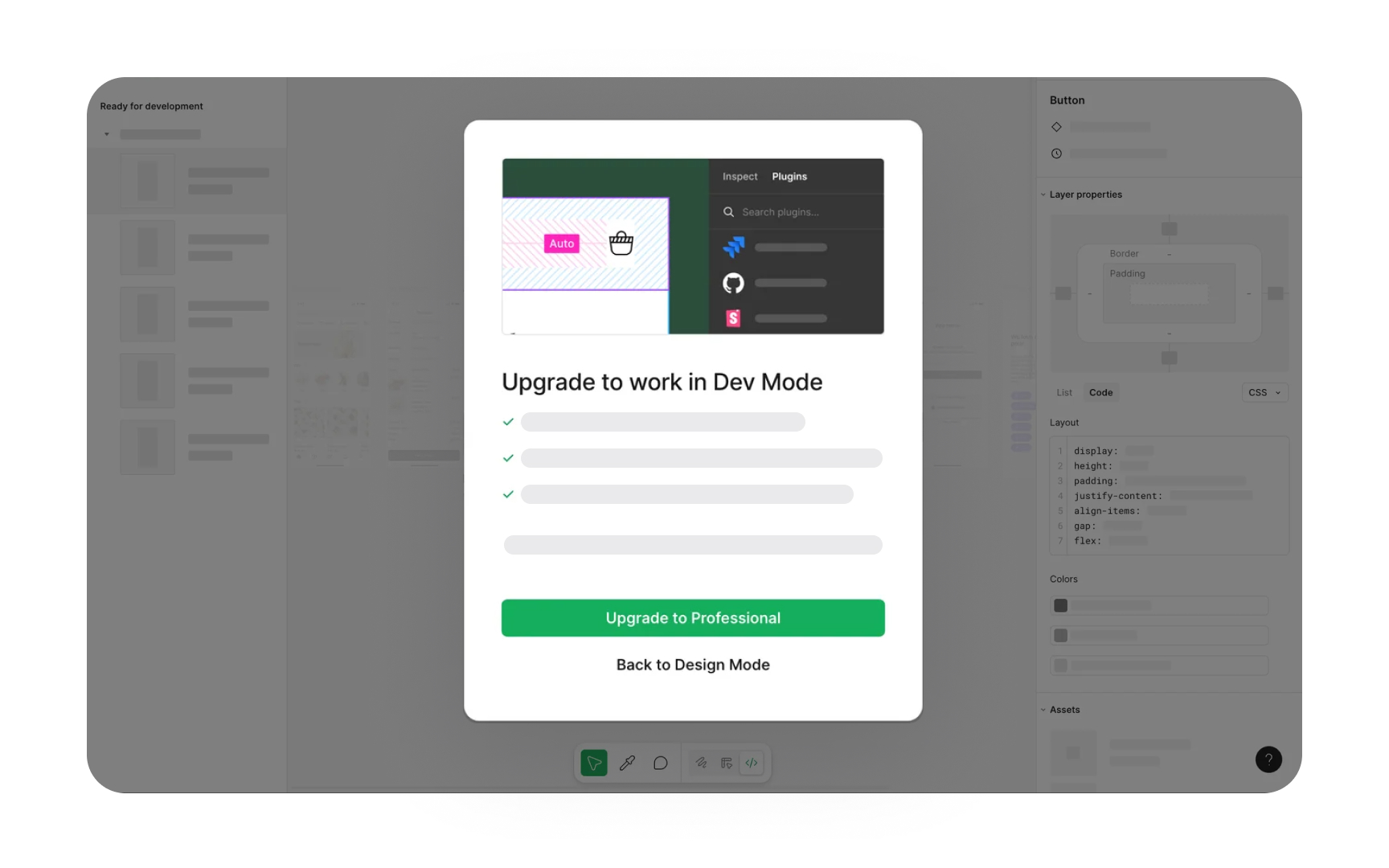
Revenue is not abstract. It is shaped by specific levers such as pricing tiers, usage limits, upgrades, and retention mechanics. In case studies, these levers explain why teams focus on certain features while delaying or rejecting others.
For subscription products, predictable income depends on keeping users active and satisfied over time. This encourages investments in onboarding quality, core workflows, and long-term engagement. Freemium products depend on conversion. Feature gating, usage caps, and upgrade prompts become central product decisions, not marketing add-ons.
Revenue levers also influence risk. Offering too much for free can increase costs without improving conversion. Asking users to pay too early can slow adoption. Strong case answers show awareness of these tensions and propose solutions that support the revenue logic instead of fighting it.
When product decisions clearly connect to revenue levers, case studies feel grounded and realistic.[2]
Read market dynamics in a case scenario
Market dynamics describe how demand, competition, and buyer behavior shape the environment in which a product operates. In case studies, these dynamics explain why some decisions focus on growth while others focus on defense, efficiency, or differentiation.
Products in markets with strong demand and high awareness face different pressures than those in emerging or low-demand categories. When buyers actively search and compare options, teams must invest in clear positioning and competitive strengths. In markets where demand is weak or immature, the challenge shifts toward proving value and reducing friction before users even consider alternatives.
Market intensity also matters. High-consideration decisions, common in B2B or expensive products, allow time for education and comparison. Low-consideration decisions rely more on habit, brand recognition, and availability. Case studies often hint at this through purchase cycles, deal sizes, or how much effort users put into choosing a solution.
Reading these signals helps frame realistic solutions. A feature that works well in a mature, competitive market may fail in an emerging one.[3]
Compare value propositions across competitors
A value proposition explains why a product is worth choosing over other options. In case studies, this is rarely stated directly. It must be inferred by comparing what the product emphasizes versus what competitors offer.
Some products compete on breadth by covering many use cases. Others focus on depth by solving a narrower problem exceptionally well. Pricing models, feature limits, and onboarding choices often reflect this positioning. A low-cost or freemium product usually promises accessibility. A premium product signals reliability, scale, or specialized value.
Competitive awareness helps avoid generic solutions. Improving a feature that competitors already do better may not strengthen the product’s position. Case studies become stronger when proposed changes reinforce what makes the product distinct instead of copying market leaders without context.[4]
Clear value propositions also guide trade-offs. Teams may intentionally ignore certain user requests if they weaken focus. Recognizing this intent helps explain why some problems remain unsolved and why that can be a valid strategic choice.
Pro Tip! If two competitors solve the same problem, look at who they say no to. Exclusions often reveal the real value proposition faster than features.
Distinguish business strategy from product strategy
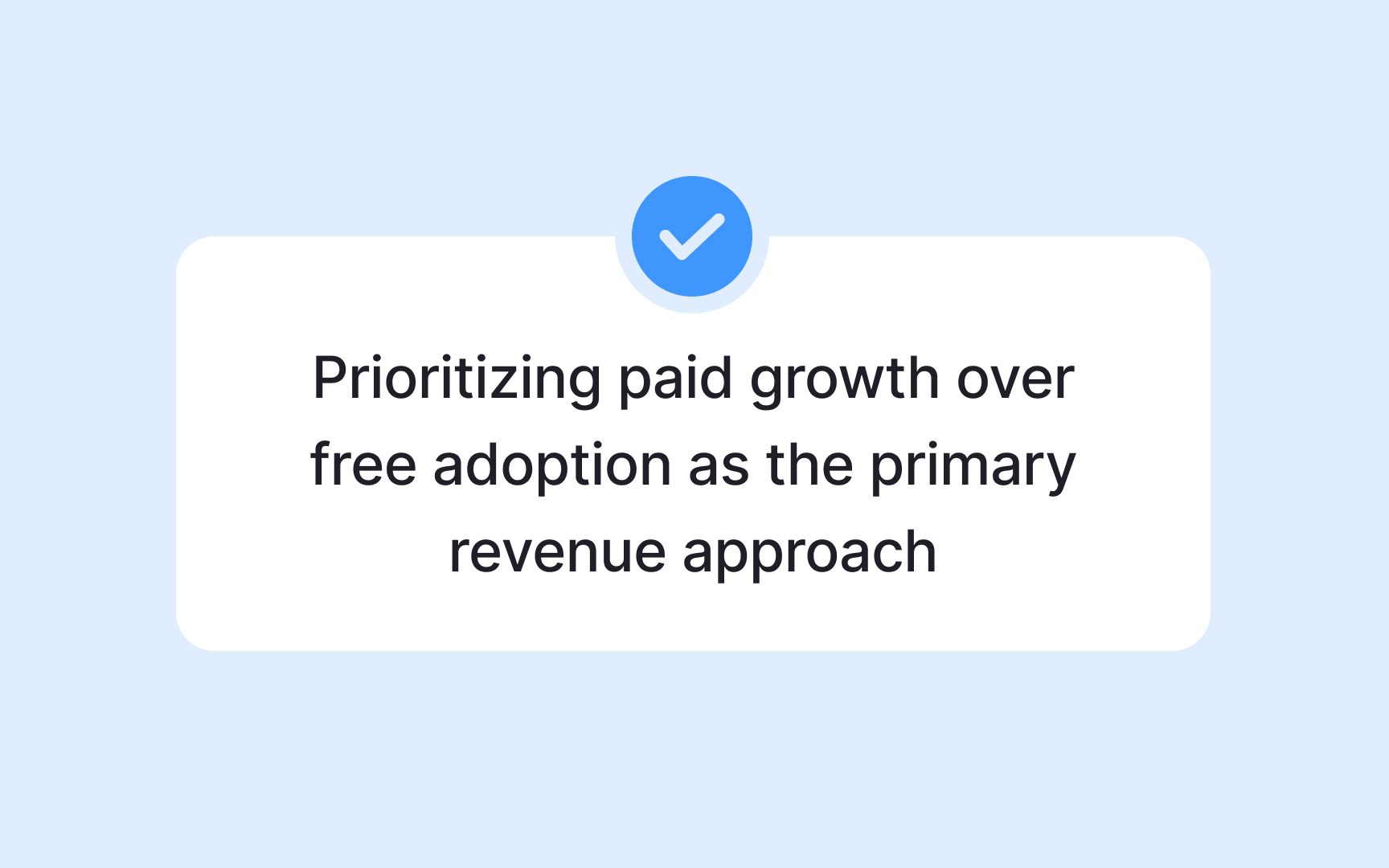
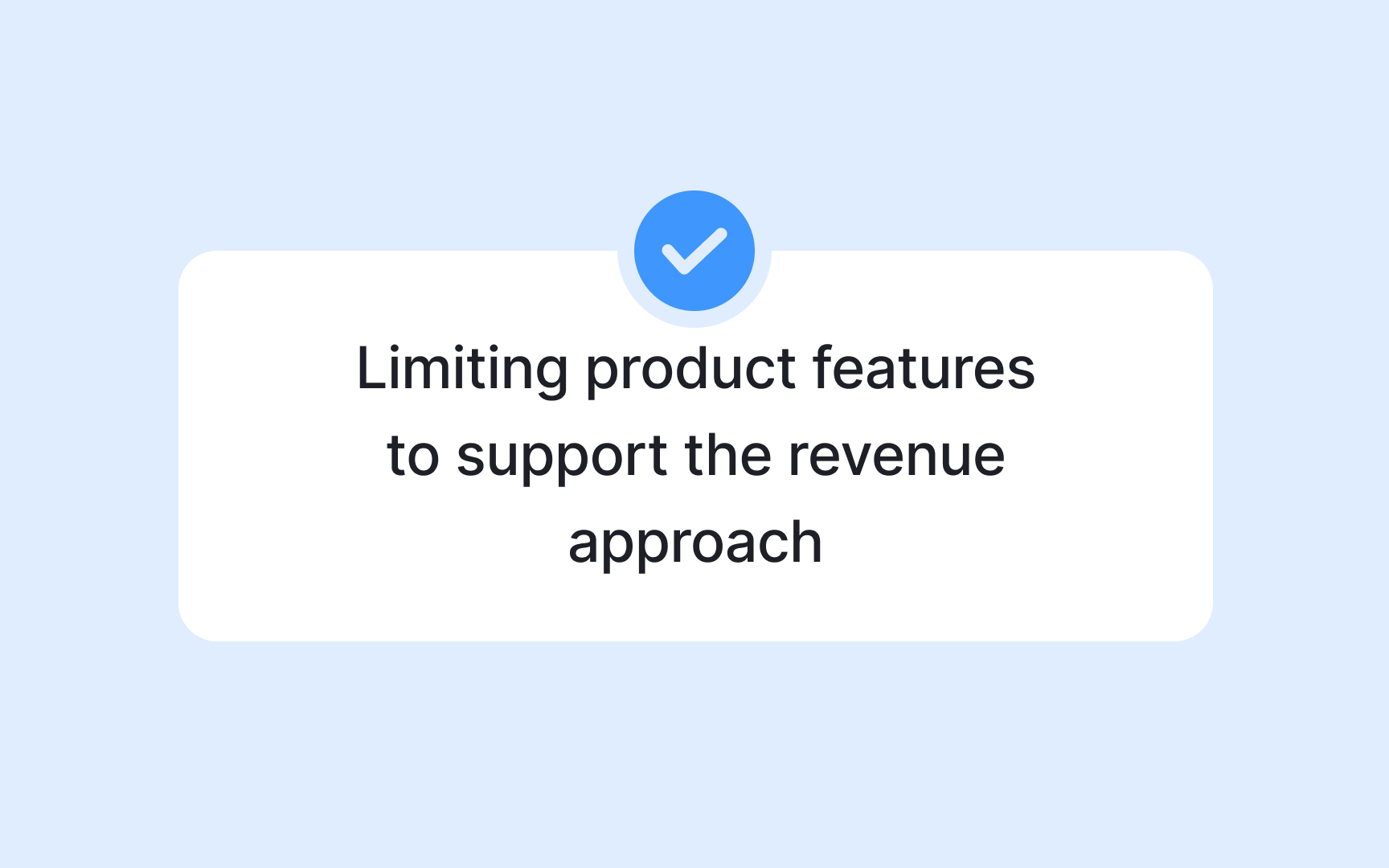
Business strategy sets the direction for the entire company. It defines what the business is trying to achieve and the boundaries within which teams operate. These decisions usually concern revenue goals, growth pace, pricing approach, funding model, or how the company goes to market. They apply across products and teams, not to a single feature or flow.
Product strategy exists one level lower. It translates those company-wide decisions into choices about a specific product. This includes what problems to focus on, which users to prioritize, and how the product should evolve to support the business direction. Product strategy does not change the rules of the game. It plays within them.
Case studies often blur these two layers, which leads to weak reasoning. A learner may judge a product decision as “bad” without noticing that it follows a business constraint set earlier. Clear analysis separates the two. First, identify the business-level intent. Then evaluate whether the product strategy supports that intent effectively.
Pro Tip! If a decision feels “unfair” to users, ask whether it protects a business goal. That usually reveals the strategic layer behind it.
Adjust solutions to the product lifecycle stage
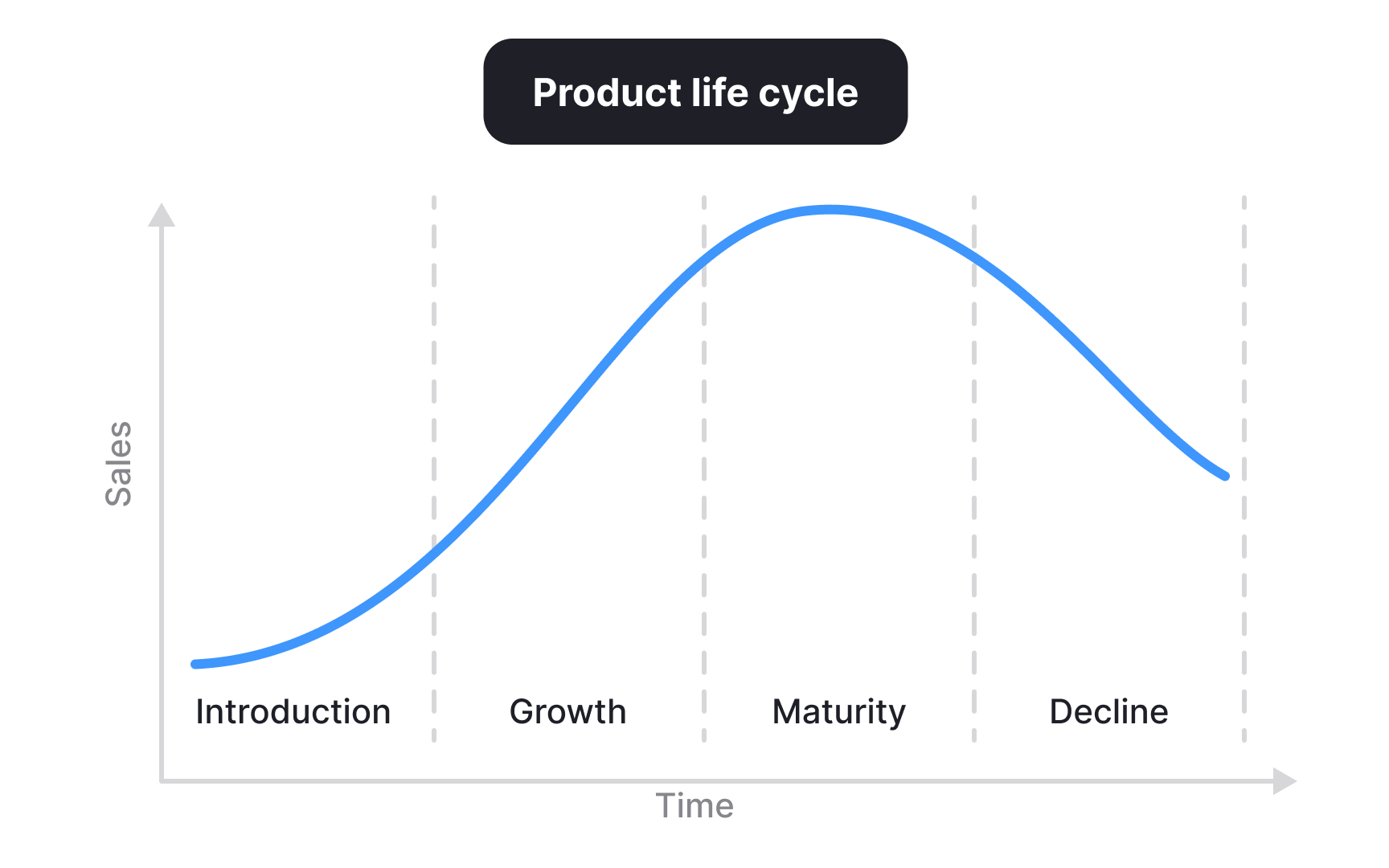
Products change priorities as they move through different stages of their lifecycle. A case study set around a new product highlights very different problems than one focused on a mature or declining product. Reading this context helps explain why teams emphasize certain actions and avoid others.
Early-stage products often prioritize learning over efficiency. Teams test assumptions, validate demand, and accept rough edges if they lead to insight. Solutions at this stage tend to favor speed and flexibility rather than scale. Mature products shift attention toward optimization. Reliability, cost control, and incremental improvements become more important than experimentation.
Declining products introduce another set of constraints. Investment becomes selective, and teams may focus on retention or cost reduction instead of growth. In case studies, lifecycle signals appear through metrics like growth rate, user churn, or internal pressure to expand or stabilize.
Matching solutions to the lifecycle stage prevents unrealistic recommendations.
Pro Tip! If a case stresses learning or validation, avoid polished long-term solutions. If it stresses efficiency, question ideas that increase complexity.
Recognize strategic constraints in case studies
Strategic constraints are limits created by deliberate business choices. They are not accidents or oversights. In case studies, these constraints explain why teams work within narrow options even when better ideas seem possible.
Constraints often come from funding strategy, sales motion, or organizational setup. A company without external investment may need faster monetization. A business built around self-serve purchasing cannot rely on long sales conversations. These decisions shape what the product can realistically support in the short term.
Good case analysis identifies these limits early. Instead of proposing solutions that require changing the entire business setup, strong answers adapt to what already exists. This shows practical thinking and respect for real-world conditions.
Recognizing constraints also helps explain trade-offs. When one option is chosen over another, it is often because the rejected option violates a strategic boundary. Making this explicit strengthens the logic behind the proposed solution.
Pro Tip! If a case seems to ignore an obvious opportunity, ask which business decision makes that path too costly or risky right now.
Weight trade-offs between business, product, and UX
Product decisions almost always involve trade-offs. Improving one area often creates tension in another. Case studies reflect this reality through conflicts between speed and quality, revenue and usability, or simplicity and flexibility.
Trade-offs are not failures. They are signals that priorities are being set. A team may accept a less elegant experience to ship faster or limit customization to reduce costs. These choices reflect what the product is optimizing for at that moment.
Strong case answers do not avoid trade-offs or pretend they disappear. Instead, they name what is being gained and what is being sacrificed. This clarity shows mature reasoning and helps others understand why a decision makes sense in context.
Weighing trade-offs also prevents perfectionism. Not every user need can be addressed at once. Case studies reward solutions that balance competing needs rather than chasing ideal outcomes without regard for impact.
Pro Tip! If a solution sounds perfect, it probably ignores a trade-off. Ask what got worse when this decision was made.
Reframe weak case answers with business context
Many weak case answers fail not because the idea is wrong, but because the business context is missing. Solutions are often presented as general improvements without explaining why they make sense for this company, at this moment.
Reframing starts by identifying the business signals already present in the case. These can include revenue goals, pricing structure, growth pressure, or cost sensitivity. Once those signals are clear, the solution is reshaped to support them instead of competing with them.
For example, a case about a subscription product struggling with churn may receive a generic answer like adding more features to increase value. When reframed through a business context, the focus may shift to improving onboarding or retention flows that help users reach value faster. This aligns better with recurring revenue mechanics and cost control, rather than expanding scope.
Reframing often leads to narrower and more intentional solutions. Instead of adding more, it clarifies what to improve first and what to delay. Case answers become easier to defend because each decision connects back to how the business operates and grows.[5]
Pro Tip! If a solution could apply to almost any product, try reframing it by tying it to one business metric that the case clearly cares about.