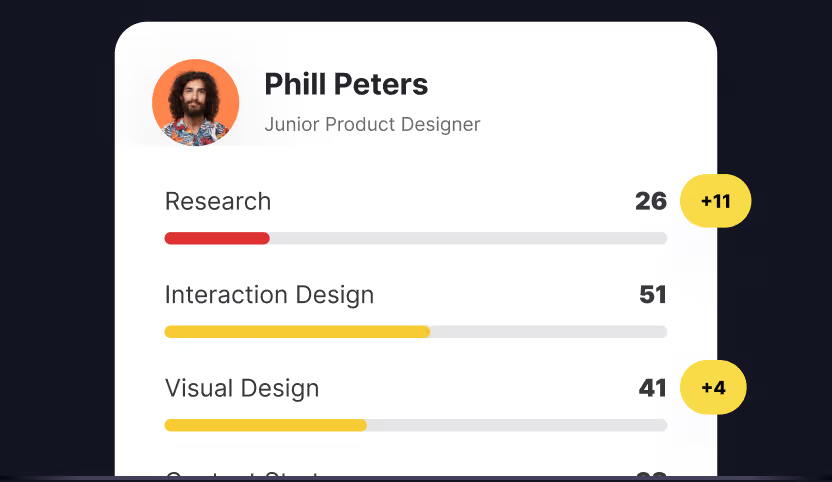
.svg)


Product manager skills fall into five groups: technical, soft, business, design, and AI. The role sits at the intersection of all five, which is why PM job postings read like a wish list for a unicorn. Strip away the corporate wrapping and most postings describe the same 35 competencies. This guide covers each one with a practical way to develop it, so you can treat product management skills as a curriculum instead of a vibe. Communication tops the list by a wide margin, and AI skills, optional two years ago, now appear in most senior PM postings.
Key takeaways
- The 35 skills split across five categories: technical, soft, business, design, and AI. Nobody masters all of them; strong PMs are good in most areas and genuinely strong in a few.
- Communication is the meta-skill. Every PM task, from PRDs to executive reviews, runs through it.
- Technical means literate, not engineer: SQL basics, experiment logic, and enough architecture to scope features honestly.
- AI skills stopped being optional. Fundamentals, AI-assisted analytics, prompting, and ethics now show up in day-to-day PM work.
- Develop two or three skills at a time for one to three months each. A structured product manager career path sequences the work; compounding does the rest.
Quick reference: all 35 product manager skills at a glance
| Category | Skills | Key courses |
|---|---|---|
| Technical skills | Product usage analytics, Agile methodologies, Product management tools, SQL basics, API and technical architecture, A/B testing, Statistical analysis, Business intelligence tools | Agile Teams, Product Analytics |
| Soft skills | Communication, Emotional intelligence, Adaptability, Creative thinking, Time management, Negotiation, Cross-functional leadership, Mentoring | Cross-functional Teams, Mentorship |
| Business skills | Product strategy, Product vision, Business model understanding, Market analysis, Go-to-market strategy, Financial modeling, Pricing strategies, Product lifecycle management | Intro to PM, Product Discovery |
| Design skills | Design thinking, User research, Prototyping and wireframing, Customer journey mapping, User flows and information architecture, Usability testing, Accessibility | Design Thinking, UX Research, Wireframes |
| AI skills | AI fundamentals, AI-powered analytics, Prompt engineering, AI ethics | Human-Centered AI, AI Prompts |
Technical skills every PM needs in 2026
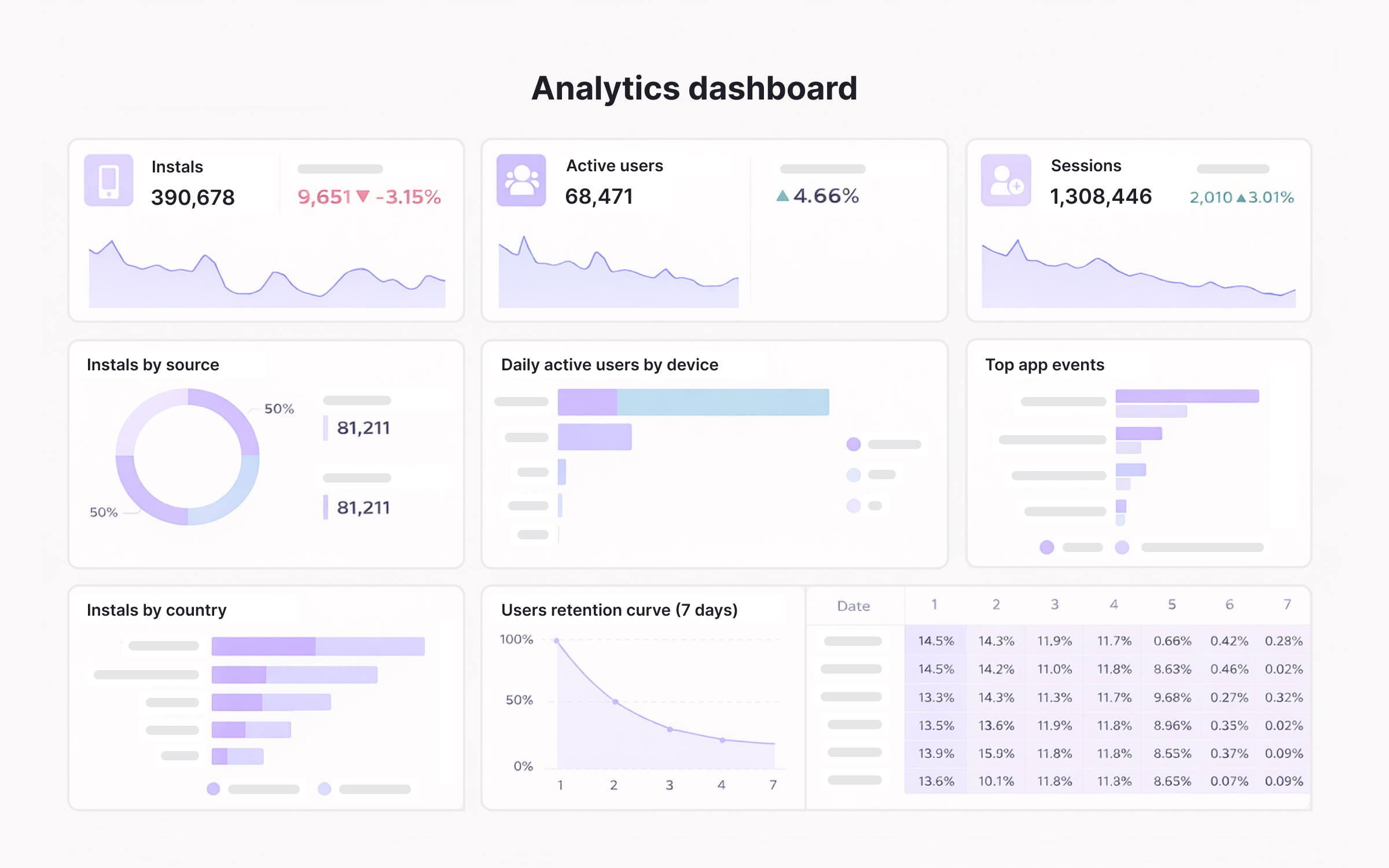
PMs aren't expected to write production code. They are expected to hold their own with engineering and data teams, and the gap between "technical enough" and "not technical at all" keeps widening.
Product usage analytics
Knowing which metrics matter for your product stage, setting up meaningful tracking, and reading cohorts, retention curves, and funnel drop-offs. PMs who can't interpret analytics are guessing. Build your own reports in Amplitude or Mixpanel instead of relying on pre-built dashboards, and answer one product question per week with data alone. The Product Analytics course covers the working techniques.
Agile methodologies
Not the standup rituals; the mindset. PMs who actually understand Agile know when to adapt the framework and why its practices exist, and they can talk sprint velocity, story pointing, and backlog refinement with engineers without faking it. Run real retrospectives and implement what comes out of them. Agile Teams covers theory and application.
Product management tools
Jira, Linear, Productboard, Notion. You don't need all of them, but you need depth in whatever your organization runs, because a PM who fights their own roadmapping tool creates friction for the whole team. Go deep on one: templates, automations, custom views. Then explore one alternative enough to understand the trade-offs.
SQL basics
SELECT, filters, grouping, simple aggregations. That covers most PM use cases and turns a three-day wait on an analyst into a five-minute query. Learning SQL also changes how you think about data: what's easy to answer, what's hard, and why. Ask for read access to a sandbox database and query real product questions.
API and technical architecture knowledge
Enough to understand why a feature takes three months, evaluate a simpler alternative, and avoid proposing the impossible. Ask engineers to walk you through the architecture diagram, read your company's technical docs, and when a term goes past you, ask.
A/B testing and experimentation
Experiments validate assumptions before resources get committed. Opinions are cheap; well-designed test results end debates. Run small experiments on low-risk features, learn sample-size math, and read how Airbnb and Netflix built experimentation cultures.
Statistical analysis
Correlation versus causation, confidence intervals, selection bias. These come up constantly in research findings and survey results, and PMs who understand them can push back on flawed analysis. Khan Academy's statistics course is free; apply each concept to your own product data.
Business intelligence tools
Looker, Tableau, Power BI, Metabase. Self-service analytics is the norm now, and PMs who build their own dashboards move without waiting. Build one that tracks your product's key metrics and iterate on team feedback.
Soft skills that separate good PMs from great ones

Technical competence gets you in the door. These eight determine how far you go, and they're the hardest to teach.
Communication
The meta-skill: PRDs, executive presentations, stakeholder alignment, design feedback, and translating technical constraints for non-technical colleagues. Strong PMs work in three layers (written, verbal, visual) and tailor the message to the audience, detailed for engineers and concise for executives. Write more, present more, and ask for feedback on both. Cross-Functional Teams covers communicating across departments.
Emotional intelligence
Product management runs on emotionally charged moments: the engineer frustrated by changing requirements, the executive disappointed by metrics, the sales rep who promised the impossible. High-EQ PMs notice tension building and address it early, disagree without making enemies, and deliver hard truths without wrecking relationships. Practice active listening, and pause before responding in tense moments.
Adaptability
Plans change, markets shift, companies pivot. PMs who treat change as a personal affront cling to stale plans and lose credibility; PMs who expect change hold plans loosely and move with the new reality. Build buffers into timelines and practice scenario planning so contingencies are ready before you need them.
Creative thinking
The best product opportunities usually aren't obvious. Challenge assumptions, generate several solutions before committing to one, and borrow ideas across industries. "How might we" framing keeps brainstorms divergent long enough to find the non-obvious answer.
Time management
PMs live in a stream of meetings, messages, and requests. Without discipline, the whole week becomes reaction. Block deep-work time, audit how you actually spend your hours against how you think you do, and say no to low-priority asks.
Negotiation skills
Scope with engineering, timelines with design, resources with executives, feature requests with sales. It never stops, and PMs who negotiate well secure more of what their product needs. Read "Getting to Yes" and "Never Split the Difference", then practice in low-stakes situations first.
Cross-functional team leadership
Engineers, designers, and data scientists don't report to you, yet you own the outcome. Influence without authority comes from trust: invest in relationships before you need them, give credit generously, be transparent about trade-offs, and follow through on every commitment.
Mentoring
Developing others builds the team, your leadership reputation, and your own understanding, because teaching forces you to articulate what you know. Volunteer to mentor someone junior and share reasoning, not just answers. The Mentorship course by ADPList provides the frameworks.
Business skills that connect product to outcomes
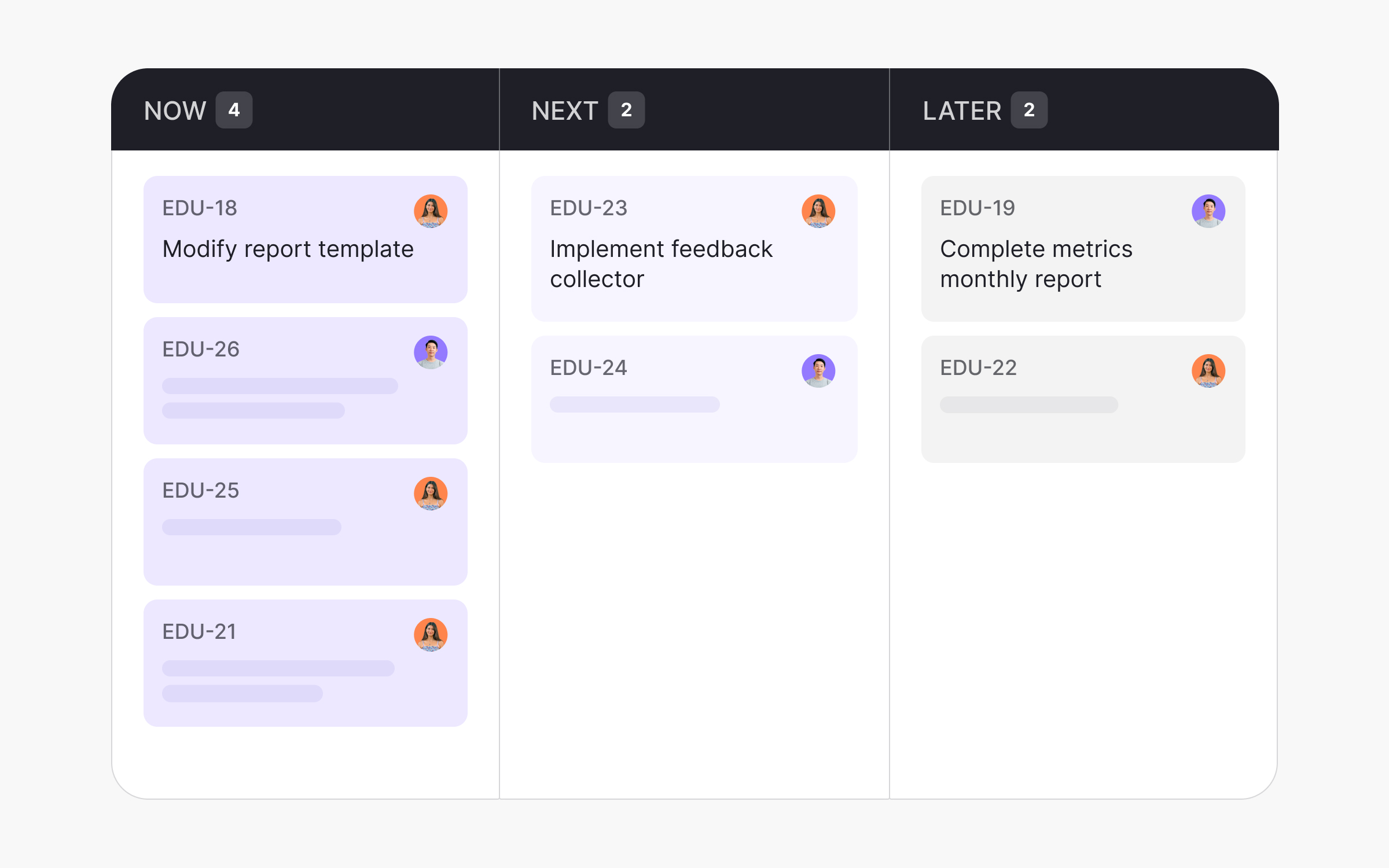
Products exist inside businesses. These eight skills connect product decisions to the outcomes the company actually runs on, and they're what employers scan a PM resume for first.
Product strategy and planning
Strategy is the logic behind the plan: why these bets and not others. A roadmap without it is a feature factory schedule. Good strategy weighs user needs, market position, differentiation, feasibility, and business-model fit, and it evolves as you learn. Practice writing your product's strategy on one page, then test whether it actually helps you prioritize. Intro to Product Management covers the fundamentals.
Product vision
The compelling picture of the future that makes prioritization easier and gives the work meaning, aligned with where the company itself is going. Teams without one drift. Study vision statements from products you admire, write your own, and test whether it resonates.
Business model understanding
How does your company make money, and how does your product contribute? Unit economics, revenue models, cost structures, CAC and LTV. PMs fluent here balance user needs with commercial viability instead of discovering the conflict late. Business & Technical Fundamentals is the structured route in.
Market analysis and competitive intelligence
Customer segments, competitive landscape, industry trends. This informs positioning, pricing, and prioritization, and it's the difference between strategy and guesswork. Set up regular competitive monitoring and debrief sales on what customers say about competitors.
Go-to-market strategy
Positioning, messaging, pricing, launch planning, and coordination with marketing and sales. Great products fail on poor GTM execution, and PMs usually own or heavily influence it. Partner closely with marketing on your next launch and study launches that worked. Product Discovery covers the road from validated idea to market.
Financial modeling and ROI calculation
A basic business case (forecast revenue, estimate costs, calculate return) is how features win resources. Learn spreadsheet modeling and study how your company evaluates investments, then build a case for something you're proposing.
Pricing strategies
Pricing is one of the strongest levers a product has: psychology, competitive positioning, value-based pricing, and experiments. Read "Monetizing Innovation," study how your market prices, and run pricing experiments where you can.
Product lifecycle management
Introduction, growth, maturity, decline. Each stage needs different strategies and metrics, and what works for a growth product fails for a mature one. Assess where your product sits and prepare for the transition. The roadmapping course turns lifecycle awareness into an impact-driven roadmap.
Design skills that make PMs invaluable to their teams
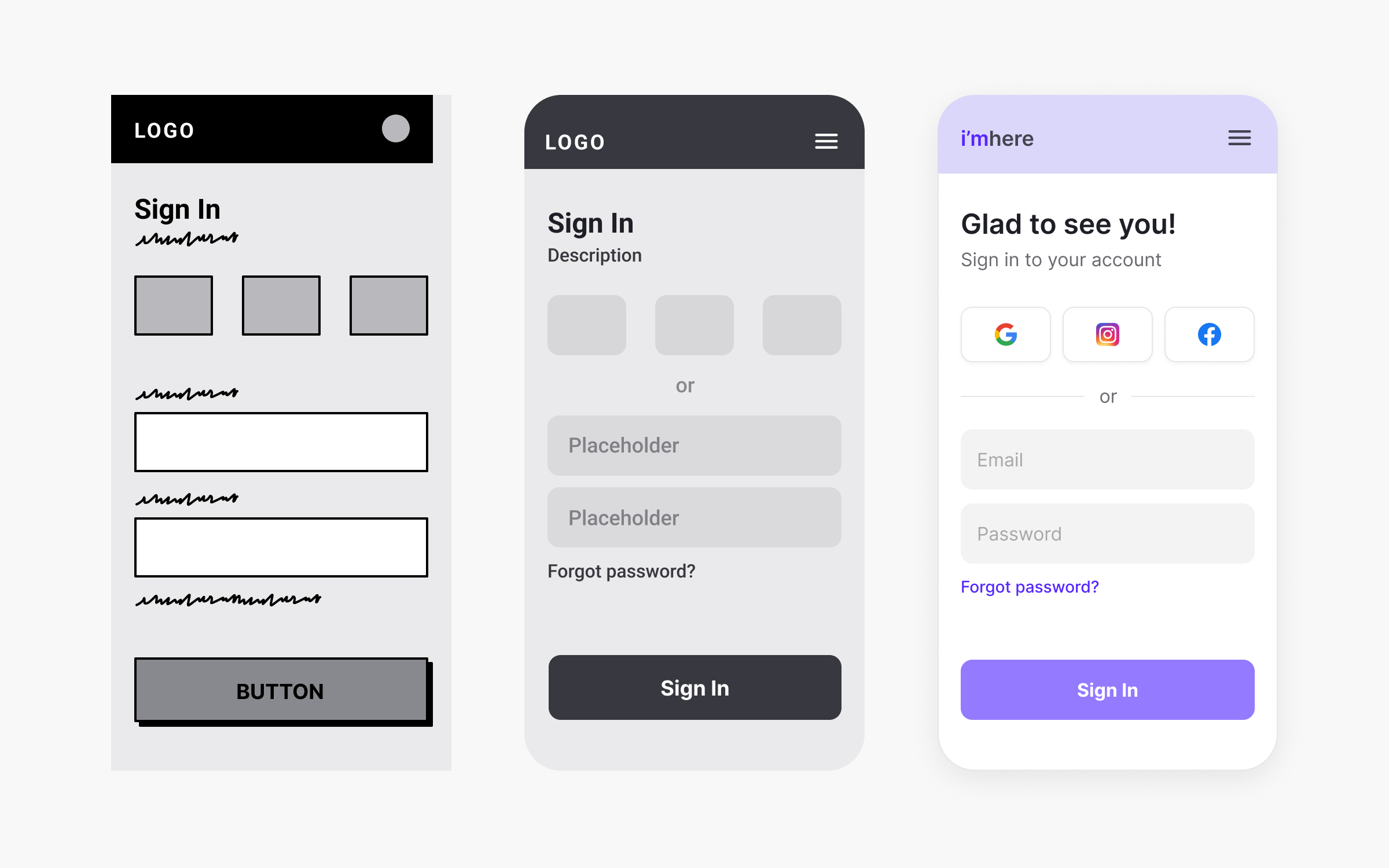
The more design fluency you have, the better your collaboration, feedback, and trade-off decisions with design and research teams.
Design thinking
Empathize, define, ideate, prototype, test. Simple to list, hard to practice well. PMs who work this way spend time in the problem space before jumping to solutions and test hypotheses instead of debating opinions. Run a design sprint with your team. The Design Thinking course gives you frameworks to use immediately.
User and market research
The difference between doing research and doing it well: studies designed to prove you wrong rather than confirm you right, questions that create space instead of leading, and findings synthesized into decisions. Shadow your UX researcher, practice writing unbiased discussion guides, and learn when qualitative beats quantitative. The UX Research course covers the methods that matter for product decisions.
Prototyping and wireframing
Wireframing is thinking made visible: externalize an idea and it becomes discussable before anyone writes code. Polish is beside the point; clarity is the point. Sketch on paper, learn basic Figma, and judge your sketches by whether others react to the idea. Designing Wireframes teaches the fundamentals.
Customer journey mapping
A journey map tells the customer's story across touchpoints: what they're trying to do, how they feel, where it breaks. The conversations while building one surface insights nothing else does, and the artifact anchors prioritization afterward. Map your core use case with cross-functional partners. Templates live in the Customer Journey Mapping course.
User flows and information architecture
Flows reveal friction: map the steps to complete a task and the unnecessary complexity shows itself. IA determines whether users find what they need at all. Map your product's key task flows and hunt for steps that don't earn their place.
Usability testing
Watching a real user struggle with something you thought was obvious is humbling and irreplaceable. Five users and a screen recorder surface most major issues; the key is testing early and regularly, while problems are cheap to fix. Learn to write tasks that don't lead the witness.
Accessibility
Products that work for users with different visual, auditory, motor, and cognitive abilities. Accessible products reach more people and usually have better usability for everyone; in many contexts it's also the law. Learn WCAG, run an audit on your current product, and design accessibly from the start rather than retrofitting. Design Accessibility covers the practical work.
AI skills that are becoming non-negotiable
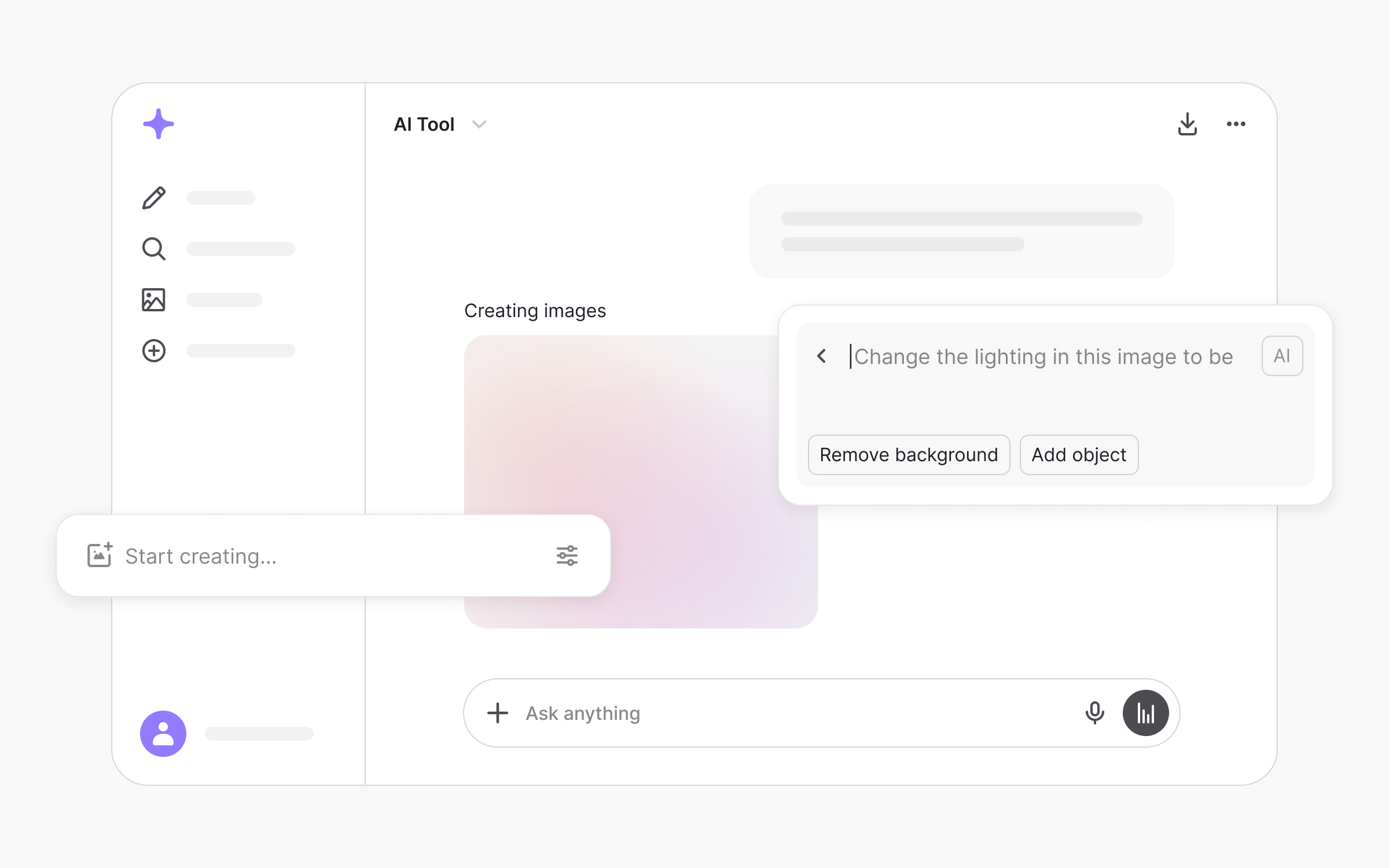
AI is reshaping the role. These four skills decide whether you shape AI-powered products or get talked past in the meetings about them.
AI fundamentals for product decisions
Not the math; the concepts. Supervised versus unsupervised learning, why training data matters, how models get evaluated, and failure modes like overfitting and biased data. That foundation lets you ask the questions that matter: what data would be needed, how success gets measured, and how confident the predictions really are. Google's ML Crash Course is free; Human-Centered AI covers the same ground from a product perspective.
AI-powered analytics and insights
AI tools process more data and find patterns faster than manual analysis. Use ChatGPT or Claude to synthesize qualitative feedback, and learn the AI features already inside your analytics stack.
Prompt engineering for PMs
AI output quality tracks instruction quality. Prompting well applies to daily assistant work, AI feature specs, and collaboration with data science teams. Practice on real tasks and learn the recurring patterns. AI Prompts Foundations covers the practical strategies.
AI ethics and responsible AI
AI systems can encode bias, leak privacy, and cause harm nobody intended. PMs who understand the failure modes build review steps into AI feature development before launch, not after the incident. The Ethical and Responsible Product Design course includes a section dedicated to AI use.
Which skills should you prioritize?
Breaking into product management: communication, user research, and one technical skill (SQL or analytics). These are the foundation everything else builds on; leave advanced business skills and AI for later.
Leveling up as a working PM: find your weakest category and fill it. Strong technically but shaky with stakeholders means soft skills; great with people but avoiding data means analytics. Biggest gaps before favorite strengths.
Pushing toward senior and leadership roles: business skills and cross-functional leadership differentiate you now. Strategy, financial modeling, and mentoring are what connect product work to company outcomes, and developing others becomes part of the job.
So, should you try to master all 35 skills?
Not at once, and honestly never. Even the best PMs run strong in a few areas and good-enough in the rest. Assess where you stand, pick the two or three skills that matter most for your current role, and work them for a month or three before rotating. Small consistent improvements compound, and the PMs pulling ahead in 2026 are the ones treating skill development as part of the job rather than something extra.
When the skills are moving, the next step is showing them: quantify your accomplishments on your resume, tailor it per application, and rehearse the product manager interview questions that test exactly these competencies.
And to see where you stand today, take Uxcel's Pulse assessment. It maps your product management skills against the role's requirements and shows you what to learn next.